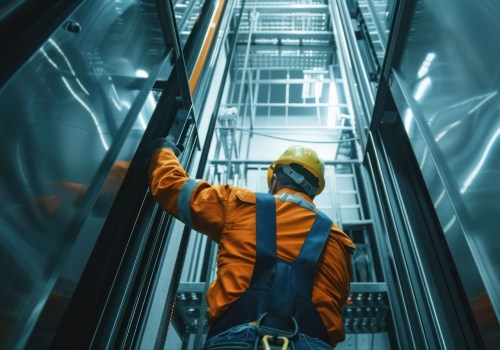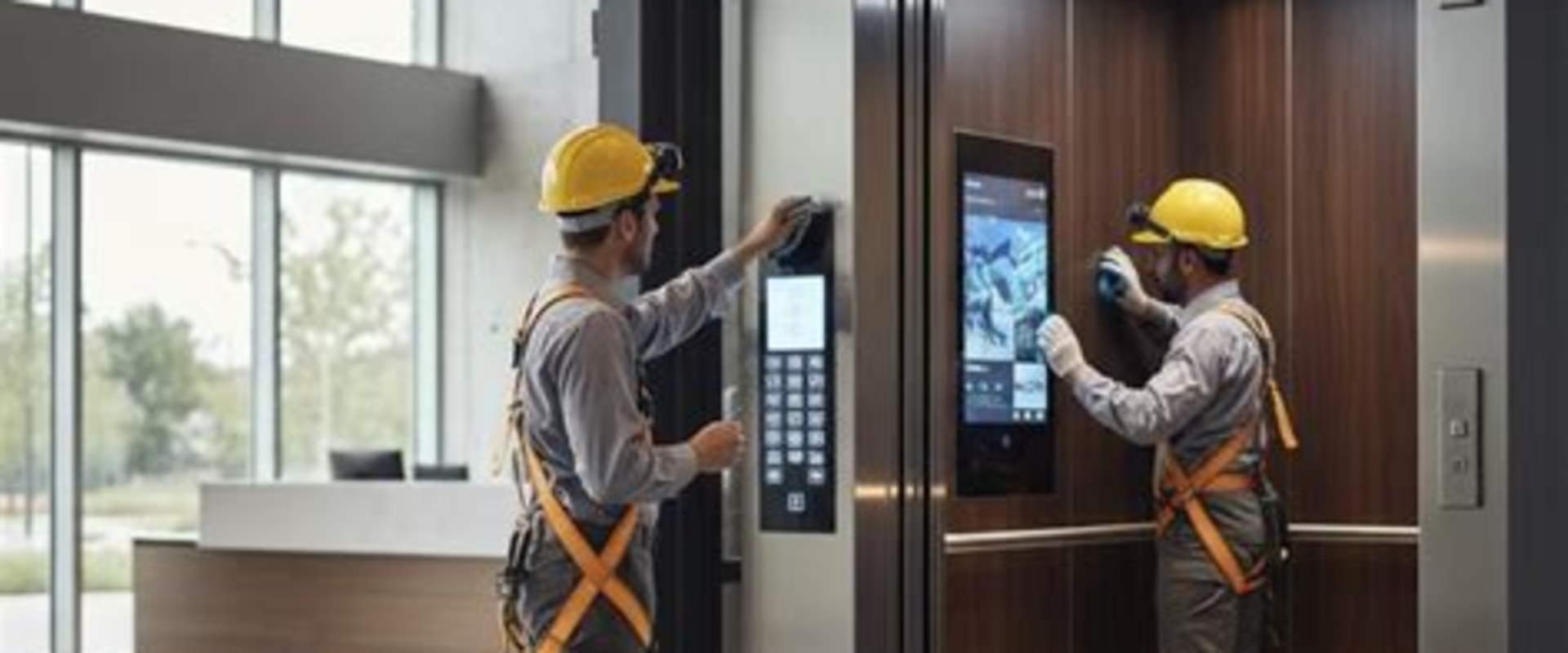
Elevators are often viewed as convenient transportation systems that help people move efficiently between floors. In both residential and commercial settings, they provide accessibility, improve mobility, and contribute to the overall functionality of a property. However, many property owners think about elevator maintenance only when a problem occurs or when routine service is required to keep the equipment operational. In reality, elevator maintenance serves a much larger purpose. Consistent maintenance is a critical part of future-proofing buildings, helping ensure that they remain safe, functional, efficient, and adaptable for years to come. Whether serving a private residence or a large commercial facility, a well-maintained elevator supports long-term property performance in ways that are often overlooked.
Extending Equipment Lifespan and Reliability
One of the most obvious yet important benefits of elevator maintenance is extending the lifespan of the equipment. Elevators contain numerous mechanical, electrical, and safety-related components that experience wear over time. Regular inspections, lubrication, adjustments, and preventative maintenance help identify minor issues before they develop into major failures. By addressing problems early, property owners can avoid costly repairs and reduce the likelihood of unexpected breakdowns. Reliable elevator performance becomes especially important in buildings where accessibility and mobility are essential for daily operations.
Supporting Accessibility for Future Needs
Future-proofing a property often involves preparing it to accommodate changing occupant needs. In residential settings, elevators can help homeowners age in place and maintain independence as mobility requirements evolve. In commercial buildings, elevators support accessibility for employees, customers, tenants, and visitors with varying physical abilities. Regular maintenance helps ensure that these systems continue to operate safely and effectively over time. A properly maintained elevator remains a dependable accessibility feature that supports long-term usability throughout the property.
Enhancing Safety and Regulatory Compliance
Safety is another major reason elevator maintenance plays such an important role in future-proofing buildings. Elevators are subject to strict safety standards and inspection requirements designed to protect users. Routine maintenance helps verify that critical safety systems, emergency features, controls, and mechanical components function as intended. Compliance with applicable regulations is essential not only for occupant safety but also for protecting property owners from liability concerns. By maintaining elevators proactively, building owners help ensure that their properties remain safe and compliant as regulations and standards evolve.
Improving Operational Efficiency
Modern property management increasingly focuses on efficiency, and elevator maintenance contributes directly to that goal. Well-maintained systems typically operate more smoothly, experience fewer interruptions, and use resources more effectively than neglected equipment. This is particularly important in commercial environments where elevator reliability affects daily productivity and occupant satisfaction. Property owners who invest in ongoing maintenance often benefit from improved operational performance and reduced downtime. Similar to how organizations such as Terry Brodnik Group emphasize long-term planning in property improvement projects, elevator maintenance supports a proactive approach to preserving building functionality.
Supporting Property Value and Market Appeal
Properties equipped with reliable, well-maintained elevators often hold greater appeal to prospective buyers, tenants, and occupants. Elevator condition can influence perceptions of overall property quality and management standards. Buildings with poorly maintained equipment may face higher operating costs, increased repair expenses, and reduced marketability. In contrast, consistent maintenance demonstrates a commitment to preserving important building systems and protecting long-term property value.
A Smart Investment in Long-Term Property Performance
Ultimately, elevator maintenance is about much more than preventing mechanical problems. It supports accessibility, enhances safety, improves reliability, contributes to operational efficiency, and helps preserve property value. As residential and commercial buildings continue to evolve, elevators will remain important assets that support functionality and convenience. By prioritizing routine maintenance, property owners can ensure that these systems continue serving current needs while remaining prepared for future demands. This proactive approach helps future-proof properties and contributes to a safer, more efficient, and more adaptable built environment for years to come.