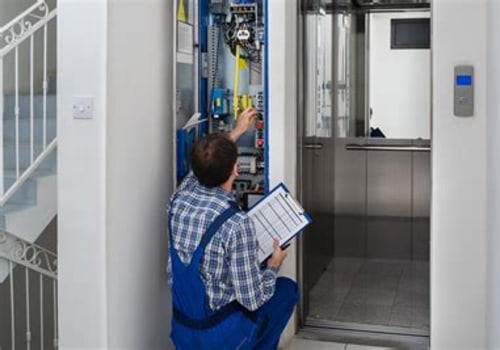
Elevator maintenance is a critical aspect of building management that often goes unnoticed until something goes wrong. Regular upkeep of elevators not only ensures their smooth operation but also plays a vital role in the safety of passengers. With elevators being a primary mode of transportation in multi-story buildings, neglecting their maintenance can lead to significant risks, including accidents and costly repairs. Understanding the importance of elevator maintenance is essential for property owners and managers alike. Proper elevator upkeep involves routine inspections, timely repairs, and adherence to safety regulations.
These practices help identify potential issues before they escalate into major problems, thereby enhancing the longevity of the equipment. Moreover, well-maintained elevators contribute to the overall efficiency of a building, minimizing downtime and ensuring that residents and visitors can rely on this essential service. As we delve deeper into the topic, it becomes clear that various challenges can arise during the maintenance process. From mechanical failures to compliance with evolving safety standards, understanding these common issues is crucial for effective management. By prioritizing elevator maintenance, stakeholders can not only safeguard their investments but also provide a safe and reliable experience for all users.
Overview of Elevator Maintenance
Elevator maintenance is a critical aspect of ensuring the safety, reliability, and efficiency of vertical transportation systems.Regular maintenance not only extends the lifespan of the elevator but also minimizes the risk of unexpected breakdowns and enhances user experience.There are several types of elevator maintenance services that building owners can choose from, each tailored to meet specific needs:
- Preventive Maintenance: This involves scheduled inspections and servicing to prevent potential issues before they arise. Technicians check various components such as cables, pulleys, and control systems to ensure everything is functioning optimally.
- Corrective Maintenance: This type of service is performed after a malfunction has occurred. It focuses on diagnosing and fixing specific problems to restore the elevator to proper working condition.
- Modernization Services: As technology advances, elevators may require upgrades to improve performance and energy efficiency. Modernization can include installing new control systems or replacing outdated components.
These checks typically include:
- Inspecting the elevator's mechanical systems for wear and tear.
- Testing safety features such as emergency brakes and alarms.
- Checking the hydraulic fluid levels in hydraulic elevators.
- Ensuring that doors open and close smoothly without obstruction.
Common Issues During Elevator Maintenance
During elevator maintenance, several common issues can arise that may hinder the efficiency and safety of the elevator system. Understanding these challenges is essential for property managers and maintenance teams to ensure smooth operations.Wear and Tear
One of the most prevalent issues in elevator maintenance is the natural wear and tear of components. Over time, parts such as cables, pulleys, and brakes can degrade due to constant use.Regular inspections are crucial to identify signs of wear early, preventing more significant problems down the line.
Electrical Issues
Electrical malfunctions are another common challenge faced during maintenance. Problems can arise from:- Faulty wiring: Damaged or outdated wiring can lead to power failures or erratic behavior.
- Control system failures: The elevator's control panel may experience glitches, affecting its responsiveness.
- Sensor malfunctions: Sensors that detect weight or position can fail, leading to safety risks.
Safety Compliance
Ensuring compliance with safety regulations is a critical aspect of elevator maintenance. Regular checks must be conducted to verify that all safety features, such as emergency brakes and alarms, are functioning correctly. Non-compliance can result in legal issues and jeopardize passenger safety.Lubrication and Cleaning
Lack of proper lubrication can lead to increased friction and wear on moving parts.Additionally, dirt and debris accumulation can obstruct mechanisms, causing operational delays. Regular cleaning and lubrication are vital for maintaining optimal performance.In conclusion, addressing these common elevator maintenance issues proactively not only enhances the longevity of the elevator system but also ensures the safety and satisfaction of its users. By staying vigilant about wear and tear, electrical problems, safety compliance, and routine upkeep, property managers can mitigate risks effectively.
Mechanical Failures in Elevators
During elevator maintenance, one of the most critical aspects to monitor is the potential for mechanical failures. These failures can lead to significant downtime and safety hazards if not addressed promptly.Understanding the common causes of these failures is essential for effective maintenance planning.
Common Mechanical Failures:
- Cable Wear and Tear: Elevator cables are subjected to constant tension and movement, which can lead to fraying or snapping over time. Regular inspections are necessary to identify signs of wear before they result in a breakdown.
- Pulley Malfunctions: The pulleys that guide the elevator cables can become misaligned or damaged. This misalignment can cause uneven wear on the cables and lead to operational issues.
- Motor Failures: The elevator motor is a vital component that drives the entire system. Overheating, electrical issues, or mechanical wear can cause the motor to fail, resulting in an elevator that won’t move.
- Brake System Issues: The braking system is crucial for safety.
If the brakes are not functioning correctly due to wear or hydraulic fluid leaks, it can lead to dangerous situations.
Preventive Measures:
- Conduct regular inspections of all mechanical components, focusing on cables, pulleys, and motors.
- Implement a routine lubrication schedule for moving parts to reduce friction and wear.
- Monitor performance metrics to identify any unusual patterns that may indicate impending failures.
Electrical Issues in Elevator Systems
During elevator maintenance, one of the most critical areas to address is the electrical system. Electrical issues can lead to significant safety hazards and operational inefficiencies. Here are some common electrical problems that technicians encounter:- Circuit Malfunctions: These can occur due to wear and tear, environmental factors, or faulty components. A malfunctioning circuit can disrupt the elevator's operation, leading to unexpected stops or failure to respond to commands.
- Control System Failures: The control system is the brain of the elevator, managing its movements and safety features.
Problems in this area can result in erratic behavior, such as doors not opening or closing properly, or the elevator not reaching its intended floor.
- Power Supply Issues: Fluctuations in power supply can affect the performance of the elevator. Insufficient voltage can cause the elevator to operate slowly or not at all, while surges can damage sensitive electronic components.
- Wiring Problems: Damaged or frayed wiring can lead to short circuits, which pose a fire hazard and can cause complete system failures. Regular inspections are essential to identify and replace any compromised wiring.
Implementing a proactive maintenance schedule not only enhances safety but also extends the lifespan of the elevator system. In conclusion, understanding and addressing elevator electrical issues is vital for maintaining safe and efficient operations. Regular maintenance checks can help identify potential problems before they escalate, ensuring that elevators remain reliable for users.
Safety Compliance Challenges
Ensuring elevator safety compliance during maintenance is a critical aspect that can pose several challenges for service providers. The complexity of elevator regulations varies significantly across different jurisdictions, making it essential for maintenance teams to stay updated on local laws and standards.One of the primary challenges is the frequent updates to safety standards. Regulatory bodies often revise their guidelines to enhance safety measures, which can lead to confusion among maintenance personnel.Keeping abreast of these changes requires ongoing training and education, which can be resource-intensive.Additionally, the lack of uniformity in regulations can complicate compliance efforts. For instance, what is considered acceptable in one state may not meet the standards in another. This inconsistency can lead to potential legal issues if elevators are serviced in a manner that does not align with local laws.
- Documentation Requirements: Proper documentation is crucial for demonstrating compliance. Maintenance teams must meticulously record all service activities, inspections, and repairs.
Failure to maintain accurate records can result in penalties or increased liability.
- Training and Certification: Technicians must be adequately trained and certified to perform maintenance tasks. Ensuring that all staff members meet these requirements can be a logistical challenge, especially for companies with high turnover rates.
- Inspection Protocols: Regular inspections are mandated by law, but scheduling these inspections without disrupting service can be difficult. Maintenance teams must balance operational efficiency with compliance needs.
By prioritizing compliance and investing in training and resources, elevator service providers can mitigate risks and ensure the safety of both users and technicians.
Impact of Neglecting Maintenance Issues
Neglecting elevator maintenance can lead to a myriad of serious consequences that not only affect the functionality of the elevator but also pose significant safety risks. One of the most immediate impacts is the increase in repair costs. When minor issues are overlooked, they can escalate into major problems that require extensive repairs or even complete replacements. This not only strains budgets but can also lead to prolonged downtime, affecting building operations and tenant satisfaction.Moreover, the risks associated with neglecting elevator upkeep are substantial.Elevators are complex systems that rely on various components working in harmony. Failure to maintain these components can result in malfunctions, which may lead to accidents such as sudden stops or, in severe cases, free falls. Such incidents can cause injuries to passengers and create liability issues for building owners.The long-term effects of ignoring elevator issues extend beyond immediate safety concerns. Regular maintenance is crucial for ensuring compliance with safety regulations and standards.
Buildings that fail to adhere to these regulations may face legal repercussions, including fines and increased insurance premiums. Additionally, a poorly maintained elevator can diminish property value and deter potential tenants or buyers who prioritize safety and reliability.In summary, the consequences of poor elevator maintenance are far-reaching. From escalating repair costs and safety hazards to legal liabilities and decreased property value, the importance of regular upkeep cannot be overstated. Building owners must prioritize maintenance schedules to ensure the safety and efficiency of their elevators.
Best Practices for Effective Elevator Maintenance
Maintaining an elevator is crucial for ensuring its longevity and safety.Implementing best practices for elevator maintenance can significantly reduce the likelihood of common issues arising during operation. Here are some effective tips to consider:
- Regular Inspections: Schedule routine inspections at least once a month. This helps identify potential problems before they escalate.
- Lubrication: Ensure that all moving parts are properly lubricated. This reduces friction and wear, prolonging the life of the elevator components.
- Cleaning: Keep the elevator shaft and machinery clean.
Dust and debris can interfere with the elevator's operation, leading to malfunctions.
- Emergency Systems Check: Regularly test emergency systems, including alarms and backup power supplies, to ensure they function correctly in case of an emergency.
- Monitor Usage: Keep track of the elevator's usage patterns. Overuse can lead to premature wear, so understanding peak times can help in scheduling maintenance effectively.
- Install Monitoring Systems: Use technology to monitor the elevator's performance in real-time. This can alert maintenance teams to issues before they become serious.
- Train Staff: Ensure that all personnel involved in elevator operation are trained on proper usage and maintenance protocols.
- Document Maintenance Activities: Keep detailed records of all maintenance work performed. This helps track patterns and identify recurring issues.
FAQs About Elevator Maintenance Issues
When it comes to elevator maintenance, several common questions arise that can help clarify the complexities involved in keeping elevators operational and safe.Below are some frequently asked questions regarding elevator maintenance issues:
- What are the most common issues encountered during elevator maintenance?
Common issues include:- Worn-out cables and pulleys
- Malfunctioning control systems
- Door alignment problems
- Hydraulic fluid leaks
- Electrical failures
- How often should elevators be maintained?
The frequency of maintenance can vary, but it is generally recommended to have a professional inspection at least once every month, with more comprehensive checks every six months. - What signs indicate that an elevator needs immediate attention?
Look for:- Unusual noises during operation
- Doors that do not open or close properly
- Erratic stopping or starting
- Inconsistent speed
- Can I perform any maintenance tasks myself?
While some minor tasks, like cleaning the elevator's interior, can be done by building staff, it is crucial to leave technical maintenance to certified professionals to ensure safety and compliance with regulations.
Conclusion: Ensuring Safe and Efficient Elevator Operation
In conclusion, addressing the common issues that arise during elevator maintenance is crucial for ensuring both safety and efficiency in elevator operation. Regular maintenance not only prolongs the lifespan of the elevator but also minimizes the risk of accidents and costly repairs. Throughout this article, we have highlighted several key areas that require attention:- Wear and Tear: Components such as cables, pulleys, and brakes experience natural degradation over time. Regular inspections can identify these issues before they lead to failures.
- Electrical Problems: Faulty wiring or malfunctioning control systems can cause significant disruptions. Routine checks of electrical systems are essential to prevent unexpected breakdowns.
- Hydraulic Issues: For hydraulic elevators, leaks or fluid level drops can severely impact performance.
Regular monitoring of hydraulic fluid levels and seals is necessary to maintain functionality.
- Safety Mechanisms: Ensuring that safety features like emergency brakes and alarms are operational is vital for passenger safety. These systems should be tested regularly to confirm their reliability.