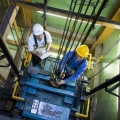
Elevator maintenance is a critical aspect of building management that ensures the safe and efficient operation of elevators. This process involves regular inspections, adjustments, and repairs to keep elevators functioning optimally. The primary goal of elevator maintenance is to prevent malfunctions and accidents, which can pose serious risks to passengers and property. By adhering to a structured maintenance schedule, building owners can significantly reduce the likelihood of unexpected breakdowns and enhance the overall user experience. Understanding what elevator maintenance entails is essential for anyone responsible for managing a building with elevators.
Maintenance typically includes a variety of tasks such as checking the mechanical components, testing safety systems, lubricating moving parts, and ensuring that all electronic systems are functioning correctly. These procedures not only help in prolonging the lifespan of the elevator but also ensure compliance with safety regulations and standards. Moreover, regular elevator upkeep contributes to energy efficiency, which can lead to cost savings over time. An elevator that is well-maintained operates more smoothly and uses less energy, benefiting both the environment and the building's operating budget. In summary, understanding the importance of elevator maintenance lays the groundwork for discussing how long these essential services typically take, which is crucial for effective planning and management.
Factors Influencing Elevator Maintenance Duration
Understanding the duration of elevator maintenance is crucial for building managers and owners.Several factors can significantly influence how long maintenance tasks take, and being aware of these can help in planning and minimizing downtime.
- Type of Elevator: Different types of elevators, such as hydraulic, traction, or machine-room-less (MRL), have varying maintenance requirements. For instance, hydraulic elevators may require more frequent fluid checks and replacements, which can extend maintenance time.
- Age of the Elevator: Older elevators often need more extensive maintenance due to wear and tear. Components may require replacement or repair, which can add to the overall maintenance duration.
- Usage Frequency: Elevators that experience heavy traffic will typically require more frequent maintenance checks. High usage can lead to quicker degradation of parts, necessitating longer maintenance sessions to ensure safety and reliability.
- Specific Maintenance Tasks: The nature of the tasks being performed during maintenance also plays a critical role.
Routine inspections may take less time compared to comprehensive overhauls that involve replacing major components or upgrading systems.
- Compliance with Regulations: Adhering to local safety regulations can also affect maintenance duration. If an elevator requires updates to meet new codes, this can extend the time needed for maintenance.
Typical Duration of Different Types of Elevator Maintenance
Understanding the typical duration of various types of elevator maintenance is crucial for building managers and property owners. Maintenance can be categorized into routine inspections, repairs, and emergency services, each with its own expected timeframe.Routine Inspections
Routine maintenance is essential for ensuring the safe and efficient operation of elevators. These inspections typically take between 1 to 2 hours, depending on the type of elevator and the specific checks being performed.During these inspections, technicians will assess the elevator's mechanical systems, check safety features, and ensure compliance with local regulations.
Repairs
The duration of repair work can vary significantly based on the nature and extent of the issue. Minor repairs, such as replacing a light bulb or fixing a door sensor, may only take 30 minutes to an hour. However, more complex repairs, like replacing a motor or addressing hydraulic issues, can require several hours to a full day. It's important to schedule these repairs promptly to avoid prolonged downtime.Emergency Services
In cases of unexpected breakdowns or malfunctions, emergency maintenance is necessary.The response time for emergency services can be immediate, with technicians often arriving within 30 minutes to an hour. The actual repair duration will depend on the severity of the problem; simple fixes may take 1 to 2 hours, while more complicated issues could extend to several hours or even days if parts need to be ordered.In summary, understanding these elevator maintenance timeframes helps in planning and minimizing disruption. Regular maintenance not only ensures safety but also extends the lifespan of the elevator system.
Routine Maintenance: What to Expect
Routine elevator maintenance is essential for ensuring the safety and reliability of your elevator system. Typically, this maintenance is scheduled at regular intervals, often every month or quarter, depending on the usage and type of elevator.During these routine checks, technicians perform a series of inspections and adjustments that can take anywhere from one to four hours.
Scheduled maintenance time
can vary based on several factors:- Type of Elevator: Hydraulic elevators may require different maintenance procedures compared to traction elevators, affecting the duration.
- Usage Frequency: Elevators in high-traffic areas may need more frequent checks, potentially extending the time spent during each visit.
- Condition of Equipment: If an elevator has been well-maintained, routine checks may be quicker. However, if issues are found, additional time may be needed for repairs.
- Inspect the elevator's mechanical components, including pulleys and cables.
- Check the hydraulic fluid levels and ensure there are no leaks.
- Test safety features such as emergency brakes and alarms.
- Lubricate moving parts to reduce wear and tear.
Emergency Repairs: Time Considerations
When it comes to elevator maintenance, emergency repairs are a different ballgame compared to routine upkeep.The urgency of these situations often dictates the duration of the repair process, which can vary significantly based on several factors.
Emergency Elevator Repairs Duration
- Nature of the Problem: The specific issue at hand plays a crucial role in determining how long repairs will take. For instance, a simple electrical fault may be resolved within a few hours, while more complex mechanical failures could require several days.
- Availability of Parts: If the repair necessitates replacement parts, the time frame can extend considerably. In emergencies, technicians often have to source parts quickly, which may not always be readily available.
- Technician Response Time: The speed at which a maintenance team can respond to an emergency call is vital. Many companies prioritize urgent calls, but response times can still vary based on their current workload and location.
Urgent Maintenance Time
In general, urgent elevator maintenance can take anywhere from a few hours to several days.
For example:
- If an elevator is stuck with passengers inside, technicians typically aim to resolve the issue within 30 minutes to an hour.
- For more severe issues that require extensive repairs or part replacements, expect downtime to last from one day to several days.
Repair Timeframes
The potential downtime associated with emergency repairs can be disruptive for building occupants and businesses alike. Therefore, it’s essential for property managers to have a reliable maintenance plan in place that includes:
- Regular inspections to catch issues before they escalate into emergencies.
- A list of trusted service providers who can respond quickly when urgent repairs are needed.
- A contingency plan for managing elevator downtime effectively.
How to Minimize Elevator Downtime During Maintenance
Minimizing elevator downtime during maintenance is crucial for ensuring smooth operations in any building. Here are some effective strategies to help building managers and owners reduce service interruptions:- Schedule Maintenance During Off-Peak Hours: Plan maintenance activities during times when elevator usage is at its lowest, such as early mornings or late evenings. This approach minimizes the impact on tenants and visitors.
- Implement a Regular Maintenance Schedule: Establishing a routine maintenance schedule can help identify potential issues before they escalate, allowing for timely repairs without significant downtime.
- Communicate with Building Occupants: Keep tenants informed about upcoming maintenance schedules.
Use emails, notices, or building announcements to ensure everyone is aware of when the elevator will be out of service.
- Utilize Technology: Consider using predictive maintenance technologies that monitor elevator performance in real-time. This can help identify problems before they require extensive repairs, thus reducing unexpected downtime.
- Train Staff Effectively: Ensure that your maintenance team is well-trained and familiar with the specific elevators in your building. Efficiently trained staff can perform quicker inspections and repairs, minimizing the time the elevator is out of service.
Frequently Asked Questions About Elevator Maintenance Duration
When it comes to elevator maintenance, many property owners and managers often have questions regarding the duration of these essential services. Understanding how long maintenance typically takes can help in planning and minimizing disruptions.How Long Does Elevator Maintenance Usually Take?
The duration of elevator maintenance can vary significantly based on several factors, including the type of elevator, the extent of the maintenance required, and the service provider's efficiency.Generally, routine maintenance checks can take anywhere from 30 minutes to a few hours. However, more extensive repairs or upgrades may require longer periods, sometimes spanning a full day or more.
What Factors Influence Maintenance Duration?
- Type of Elevator: Different elevators (hydraulic, traction, or machine-room-less) have unique maintenance needs that can affect the time required.
- Condition of the Elevator: An elevator that has been well-maintained will typically require less time for servicing compared to one that has been neglected.
- Specific Issues: If there are specific problems such as mechanical failures or electrical issues, these can extend the maintenance duration significantly.
- Service Provider: The experience and efficiency of the maintenance team can also play a crucial role in how quickly they can complete their work.
Common Questions About Elevator Upkeep
- How often should elevators be maintained? Most experts recommend scheduling maintenance at least once every month to ensure optimal performance and safety.
- Can I use the elevator during maintenance? In most cases, elevators will be out of service during maintenance to ensure safety for both technicians and users.
- What should I do if my elevator is making unusual noises? It’s advisable to contact your service provider immediately to assess any potential issues before they escalate.
Conclusion: Key Takeaways on Elevator Maintenance Duration
In summary, understanding the duration of elevator maintenance is crucial for building managers and owners. Regular maintenance not only ensures the safety and reliability of elevators but also minimizes downtime, which can significantly impact daily operations. Here are the key takeaways regarding the duration of elevator maintenance:- Frequency of Maintenance: Most elevators require maintenance every 1 to 3 months, depending on usage and type. This routine check-up typically lasts between 1 to 2 hours.
- Types of Maintenance: Preventive maintenance, which includes inspections and minor adjustments, is generally quicker than corrective maintenance, which may involve more extensive repairs and can take several hours or even days.
- Impact of Usage: Elevators in high-traffic areas may require more frequent and longer maintenance sessions due to wear and tear.
- Emergency Repairs: In cases of malfunction, emergency repairs can vary widely in duration, often taking several hours to a full day, depending on the issue's complexity.
By scheduling regular inspections and being proactive about repairs, building owners can ensure that their elevators remain operational and safe for all users. This not only enhances user experience but also extends the lifespan of the elevator system.