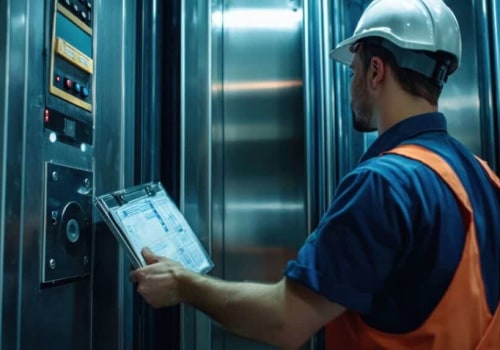
Elevator maintenance is a critical aspect of building management that ensures the safety, efficiency, and longevity of elevator systems. Whether in a bustling commercial skyscraper or a cozy residential complex, the importance of regular maintenance cannot be overstated. Elevators are not just a convenience; they are essential for accessibility and mobility within a building. Neglecting their upkeep can lead to costly repairs, safety hazards, and significant disruptions for users. In commercial buildings, where foot traffic is high and operational efficiency is paramount, elevator maintenance takes on an even greater significance.
These systems are often subjected to heavy use, requiring more frequent inspections and servicing to prevent breakdowns that could impact business operations. On the other hand, residential elevators, while typically used less frequently, still demand attention to ensure they function smoothly for residents who rely on them daily. Understanding the nuances of elevator maintenance in both settings is essential for property managers and owners alike. This article will delve into the specific requirements and best practices for maintaining elevators in commercial versus residential buildings, highlighting how tailored approaches can enhance safety and performance. By prioritizing proper maintenance, building owners can not only comply with regulations but also foster a reliable environment for all users.
Overview of Elevator Systems
Understanding the different types of elevator systems is crucial for effective elevator maintenance.Elevators can be broadly categorized into several types, each designed for specific applications and environments.
- Traction Elevators: These are commonly used in high-rise buildings. They operate using a system of ropes and pulleys, which allows for smooth and efficient vertical movement. Regular maintenance is essential to ensure the integrity of the cables and the functionality of the motor.
- Hydraulic Elevators: Typically found in low-rise buildings, hydraulic elevators use a fluid-driven piston to lift the cab. Maintenance focuses on checking the hydraulic fluid levels and ensuring that seals are intact to prevent leaks.
- Pneumatic Elevators: These elevators use air pressure to move the cab.
They are often used in residential settings due to their compact design. Maintenance involves inspecting the air pressure system and ensuring that the cab is sealed properly.
- Machine Room-Less (MRL) Elevators: These elevators save space by eliminating the need for a separate machine room. They require specialized maintenance due to their unique design, which includes components located within the hoistway.
- Cab: The compartment where passengers stand.
- Hoistway: The shaft that houses the elevator cab and its components.
- Control System: The brain of the elevator, managing its operations and safety features.
- Safety Devices: Essential for preventing accidents, these include brakes and emergency stop systems.
Commercial Elevator Maintenance
Maintaining commercial elevators is crucial for ensuring safety, efficiency, and compliance with various regulations.Unlike residential elevators, which may require less frequent upkeep, commercial elevator maintenance is governed by stricter standards due to the higher volume of traffic and the diverse range of users.
Maintenance requirements for commercial elevators
typically include regular inspections, testing, and servicing. These tasks are often mandated by local and state regulations, which can vary significantly. For instance, many jurisdictions require monthly inspections to ensure that all components are functioning correctly and safely.Frequency of Maintenance
- Monthly Inspections: These are essential for identifying potential issues before they escalate. Technicians check the mechanical systems, safety devices, and overall performance.
- Quarterly Testing: This includes load tests and emergency system checks to ensure that elevators can handle their rated capacity and respond appropriately in emergencies.
- Annual Comprehensive Service: A thorough examination of all elevator systems is conducted, including electrical systems, hydraulic components, and control panels.
(NEII). Compliance with these standards not only enhances safety but also minimizes liability for building owners.Furthermore, it is essential for property managers to maintain detailed records of all maintenance activities. This documentation serves as proof of compliance during inspections and can be invaluable in case of any legal disputes or insurance claims.In summary, elevator maintenance in commercial settings is a rigorous process that demands adherence to strict regulations and frequent servicing. By prioritizing these practices, building owners can ensure the safety and reliability of their elevators while also enhancing the overall experience for users.
Residential Elevator Maintenance
Maintaining elevators in residential buildings presents unique challenges and requirements that differ significantly from those in commercial settings.Home elevators are often designed for convenience and accessibility, making their upkeep essential for the comfort and safety of residents.
Residential elevator maintenance
typically involves a more personalized approach. Unlike commercial elevators, which may experience heavy traffic and require frequent inspections, residential elevators usually have lower usage rates. However, this does not diminish the importance of regular maintenance. Homeowners should schedule routine inspections at least twice a year to ensure that all components are functioning correctly.- Safety Checks: Regular safety checks are crucial.
This includes testing emergency systems, door sensors, and brakes to prevent accidents.
- Lubrication: Components such as cables and pulleys need proper lubrication to function smoothly and reduce wear over time.
- Cleaning: Keeping the elevator clean is essential not only for aesthetics but also for preventing dust and debris from interfering with mechanical parts.
Regular inspections, safety checks, and hiring qualified technicians are key components in ensuring that home elevators remain safe and functional for everyday use.
Key Differences in Maintenance Practices
When it comes to elevator maintenance, the practices can vary significantly between commercial and residential buildings. Understanding these differences is crucial for property managers and homeowners alike, as they directly impact safety, efficiency, and compliance with regulations.Usage Frequency
One of the primary differences lies in the frequency of use. Commercial elevators typically experience a much higher volume of traffic compared to residential elevators. For instance, elevators in office buildings or shopping centers may operate continuously throughout the day, necessitating more frequent inspections and maintenance.In contrast, residential elevators are often used less frequently, which can lead to different maintenance schedules.
Regulatory Requirements
Another key difference is the regulatory requirements governing elevator maintenance. Commercial buildings are subject to stricter codes and regulations due to their higher occupancy levels and public access. This means that commercial elevators must adhere to more rigorous safety standards and undergo regular inspections by certified professionals. Residential elevators, while still needing to meet safety standards, often have more lenient regulations.Maintenance Practices
- Commercial Elevators: Maintenance typically includes monthly inspections, routine servicing, and immediate repairs for any issues that arise.
The focus is on minimizing downtime and ensuring that the elevator can handle peak usage times.
- Residential Elevators: Maintenance may be scheduled quarterly or biannually, depending on usage. Homeowners might prioritize cosmetic repairs alongside functional checks, as the elevator is not under constant strain.
Common Issues in Elevator Maintenance
Elevator maintenance is crucial for ensuring safety and efficiency in both commercial and residential buildings. However, the common issues faced during maintenance can vary significantly between these two environments.In commercial buildings, elevators often experience higher traffic, leading to wear and tear.Some of the common elevator problems include:
- Overloading: Frequent overloading can strain the elevator's components, leading to premature failure.
- Electrical Issues: With complex control systems, electrical malfunctions can cause erratic behavior or complete shutdowns.
- Door Malfunctions: High usage can lead to door sensors failing or doors getting stuck, which is a frequent complaint in busy office buildings.
- Lack of Use: Elevators that are not used regularly may develop problems such as rust or mechanical stiffness.
- Noise Issues: Homeowners often report unusual noises, which can indicate problems with the motor or pulleys.
- Emergency Systems: In residential settings, ensuring that emergency systems are functional is critical for safety, yet often overlooked.
Best Practices for Elevator Maintenance
Maintaining elevators is crucial for ensuring safety, efficiency, and longevity, whether in commercial or residential buildings.Here are some best practices for effective elevator maintenance:
- Regular Inspections: Schedule routine inspections at least twice a year. This helps identify potential issues before they escalate into costly repairs.
- Professional Maintenance: Engage certified elevator technicians for maintenance tasks. Their expertise ensures that all components are functioning correctly and safely.
- Keep Records: Maintain detailed logs of all maintenance activities, inspections, and repairs. This documentation can be invaluable for compliance and future reference.
- Monitor Usage: In commercial buildings, keep track of elevator usage patterns.
High traffic can lead to wear and tear, necessitating more frequent maintenance.
- Cleanliness: Regularly clean the elevator interior and exterior. Dust and debris can affect the mechanical parts and the overall user experience.
- Emergency Preparedness: Ensure that emergency systems are functional. Conduct regular drills to familiarize users with emergency procedures.
- Educate Users: Inform residents or employees about proper elevator usage to prevent misuse that could lead to damage.
- Check Doors and Sensors: Regularly inspect door mechanisms and safety sensors to ensure they are operating correctly.
- Lubrication: Ensure that moving parts are adequately lubricated to reduce friction and wear.
FAQs About Elevator Maintenance
When it comes to elevator maintenance, many property owners have questions about the best practices and requirements.Here are some frequently asked questions that can help clarify common concerns:
- How often should elevators be maintained?
Elevators typically require maintenance every 1 to 3 months, depending on usage and the type of building. Commercial elevators may need more frequent checks due to higher traffic. - What does elevator maintenance involve?
Routine maintenance includes inspecting mechanical components, checking safety systems, lubricating moving parts, and ensuring compliance with local regulations. - Are there different maintenance standards for commercial and residential elevators?
Yes, commercial elevators often have stricter maintenance standards due to higher usage and safety regulations. Residential elevators may have more flexible schedules but still require regular checks. - What are the signs that my elevator needs maintenance?
Common signs include unusual noises, slow operation, or doors that do not open or close properly. If you notice any of these issues, it’s essential to contact a professional. - Can I perform any maintenance myself?
While some basic checks can be done by the owner, such as ensuring the elevator is clean and free of obstructions, most maintenance tasks should be left to certified professionals.
Regular upkeep not only prolongs the life of the elevator but also enhances user experience and safety.
Conclusion: The Importance of Tailored Elevator Maintenance Strategies
In conclusion, the differences in elevator maintenance between commercial and residential buildings underscore the necessity for tailored strategies that address the unique demands of each environment. Throughout this article, we have explored how factors such as usage frequency, building size, and regulatory requirements influence maintenance practices. For commercial buildings, where elevators often experience high traffic and are integral to daily operations, a proactive maintenance approach is essential. Regular inspections and immediate repairs can prevent costly downtime and ensure compliance with safety regulations. In contrast, residential buildings may prioritize cost-effectiveness and tenant convenience, leading to a different maintenance schedule that balances thoroughness with affordability. Moreover, the technology used in elevators varies significantly between these two types of buildings.Commercial elevators may incorporate advanced systems that require specialized knowledge for maintenance, while residential elevators might utilize simpler mechanisms that can be serviced with basic training.
- Key Takeaways:
- Commercial elevators demand frequent inspections due to higher usage rates.
- Residential elevators focus on cost-effective solutions while ensuring safety.
- Technological differences necessitate specialized training for maintenance personnel in commercial settings.