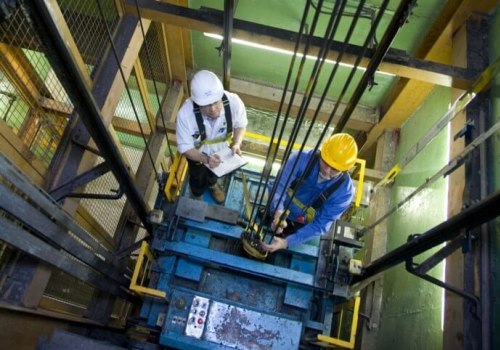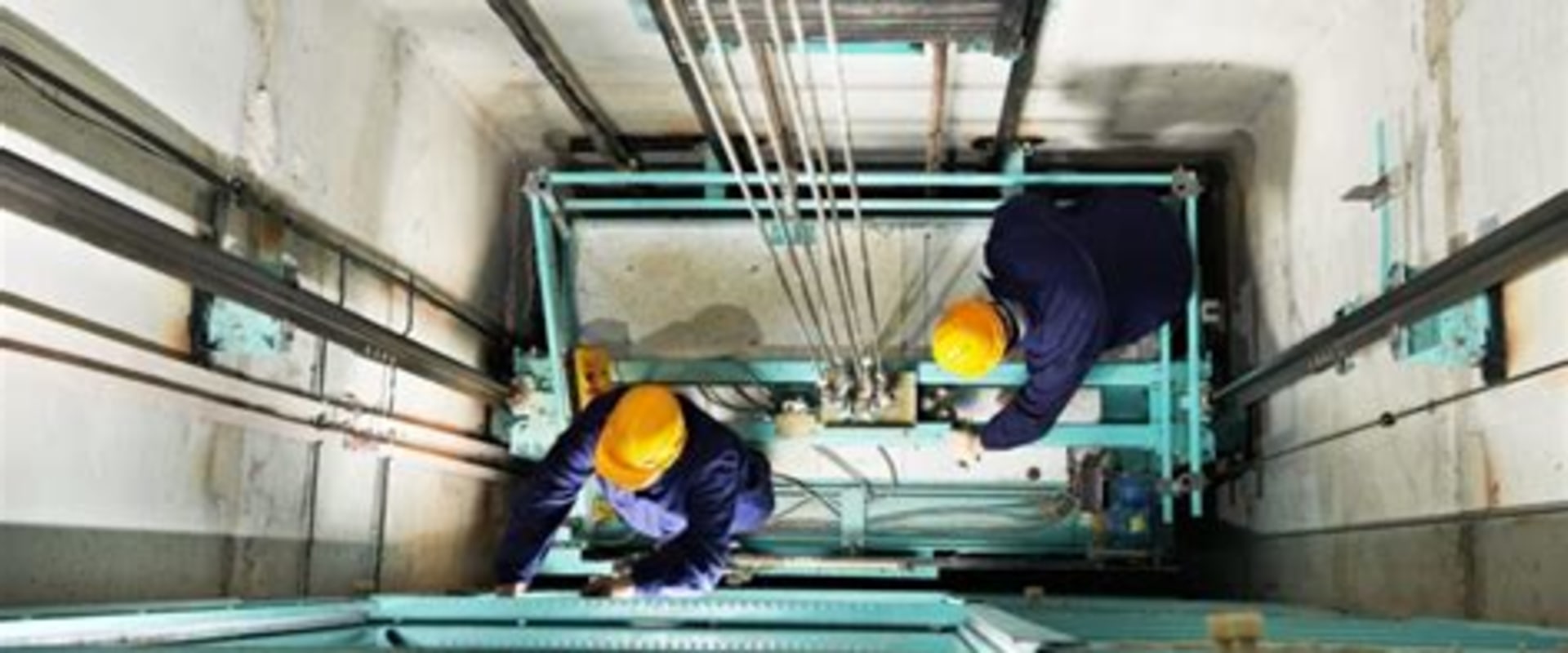
Elevators are a crucial component of modern infrastructure, facilitating the movement of people and goods in buildings of all sizes. However, the importance of elevator maintenance extends far beyond mere convenience. Regular maintenance not only ensures the safety of passengers but also enhances the efficiency and longevity of the equipment. Neglecting this essential aspect can lead to unexpected breakdowns, increased energy consumption, and even safety hazards. One of the primary benefits of elevator maintenance is the assurance of safety.
Elevators are complex machines that require regular inspections and servicing to function correctly. A well-maintained elevator minimizes the risk of accidents, ensuring that users can rely on it for safe transportation. Furthermore, routine checks can identify potential issues before they escalate into costly repairs or dangerous malfunctions. In addition to safety, effective elevator maintenance contributes to operational efficiency. Elevators that are regularly serviced tend to operate more smoothly and consume less energy, which is not only beneficial for building owners but also for the environment.
By prioritizing maintenance, property managers can reduce their carbon footprint while also extending the lifespan of their elevators. This proactive approach ultimately leads to significant cost savings and a more sustainable operation.
Environmental Impact of Elevators
The environmental impact of elevators is a critical consideration in the realm of building maintenance and sustainability. Elevators are essential for modern infrastructure, but their operation significantly contributes to energy consumption and, consequently, the overall carbon footprint of buildings.One of the primary factors influencing the environmental impact of elevators is their energy usage. Elevators consume a substantial amount of electricity, particularly in high-rise buildings where they are used frequently.According to studies, elevators can account for up to 10% of a building's total energy consumption. This statistic underscores the importance of implementing energy-efficient technologies and practices during elevator maintenance.
- Energy-efficient systems: Upgrading to energy-efficient elevator systems, such as regenerative drives, can significantly reduce energy consumption. These systems capture and reuse energy generated during the elevator's descent.
- Regular maintenance: Routine maintenance ensures that elevators operate at peak efficiency. Poorly maintained elevators can consume more energy due to increased friction and wear on components.
- Smart technology: Incorporating smart technology can optimize elevator usage patterns, reducing unnecessary trips and waiting times, which in turn lowers energy consumption.
Sustainable materials can reduce the carbon footprint associated with manufacturing and disposing of elevator components. For instance, using recycled materials for elevator interiors or components can lessen the demand for new resources.In conclusion, understanding the environmental impact of elevators is essential for developing effective maintenance strategies that not only enhance performance but also contribute to sustainability goals. By focusing on energy efficiency and sustainable practices, building managers can mitigate the negative effects of elevators on the environment while ensuring reliable service for users.
Sustainable Practices in Elevator Maintenance
In the realm of elevator maintenance, adopting sustainable practices is not just a trend but a necessity for reducing environmental impact. By integrating eco-friendly solutions, elevator service providers can contribute to a greener future while ensuring optimal performance.Eco-Friendly Lubricants
- Traditional lubricants often contain harmful chemicals that can pollute the environment.
Switching to bio-based lubricants made from renewable resources can significantly reduce this risk.
- These eco-friendly lubricants not only minimize environmental harm but also enhance the longevity of elevator components, leading to less frequent replacements.
Recycling Old Parts
- When elevators undergo maintenance, many parts can be replaced. Instead of discarding these components, implementing a recycling program can help divert waste from landfills.
- Parts such as cables, motors, and control panels can often be refurbished or recycled, reducing the demand for new materials and conserving resources.
Energy-Efficient Upgrades
- Incorporating energy-efficient technologies during maintenance can lead to significant reductions in energy consumption. For instance, upgrading to LED lighting in elevator shafts and using regenerative drives can enhance energy efficiency.
- These upgrades not only lower operational costs but also contribute to a decrease in greenhouse gas emissions.
Regular Maintenance Schedules
- A proactive approach to elevator maintenance, including regular inspections and timely repairs, can prevent larger issues that may require extensive resources to fix.
- This not only ensures safety and reliability but also promotes sustainability by extending the lifespan of the elevator system.
Energy-Efficient Upgrades and Technologies
In the realm of elevator maintenance, adopting energy-efficient upgrades and technologies is crucial for minimizing environmental impact.Modern elevators are increasingly designed with sustainability in mind, incorporating features that not only enhance performance but also reduce energy consumption.
Energy-Efficient Elevators
- Regenerative Drives: These systems capture excess energy generated during the elevator's descent and convert it into electricity, which can be reused within the building. This technology significantly lowers energy costs and reduces the carbon footprint.
- LED Lighting: Replacing traditional lighting with LED fixtures in elevator cabins and shafts can lead to substantial energy savings. LEDs consume less power and have a longer lifespan, reducing waste.
- Smart Controls: Advanced control systems optimize elevator operations by analyzing traffic patterns and adjusting performance accordingly. This ensures that elevators are not running unnecessarily, further conserving energy.
Modern Elevator Technologies
- Machine Room-Less (MRL) Elevators: These elevators eliminate the need for a separate machine room, allowing for more efficient use of space and reducing the overall energy required for installation and operation.
- Variable Frequency Drives (VFDs): VFDs adjust the speed of the elevator motor based on demand, which minimizes energy consumption during low-traffic periods.
- Smart Sensors: Incorporating sensors that detect passenger load can help in managing energy use more effectively, ensuring that elevators operate only when necessary.
Elevator Upgrades
Regular maintenance and timely upgrades are essential to ensure that elevators operate at peak efficiency.
By investing in these modern technologies, building owners can not only enhance the performance of their elevators but also contribute to a more sustainable future. The integration of these innovations into elevator maintenance practices is a proactive step towards reducing environmental impact while improving service reliability.
Regulatory Standards and Compliance
Elevator maintenance is governed by a variety of regulatory standards that ensure not only safety but also environmental sustainability. Compliance with these regulations is crucial for minimizing the ecological impact of elevator systems.In the United States, the American Society of Mechanical Engineers (ASME) sets forth the ASME A17.1 code, which outlines safety requirements for elevators and escalators. This code includes provisions for regular inspections and maintenance, which help to identify potential issues that could lead to increased energy consumption or hazardous material leaks.Additionally, the Occupational Safety and Health Administration (OSHA) mandates that elevator maintenance personnel adhere to safety protocols that can indirectly affect environmental outcomes.For instance, proper handling and disposal of hydraulic fluids and lubricants are essential to prevent soil and water contamination.
Environmental Regulations
Beyond safety, there are specific environmental regulations that elevator maintenance must comply with. The Environmental Protection Agency (EPA) regulates substances that can be harmful to the environment, such as certain oils and chemicals used in elevator systems. Maintenance practices must include:- Proper disposal of hazardous materials to prevent pollution.
- Use of eco-friendly lubricants and hydraulic fluids that minimize environmental impact.
- Regular audits to ensure compliance with local and federal environmental laws.
By following established codes and regulations, maintenance professionals can significantly reduce the ecological footprint of elevator systems while ensuring they operate efficiently and safely.
Case Studies: Successful Eco-Friendly Elevator Maintenance Programs
In recent years, several companies and buildings have successfully implemented eco-friendly elevator maintenance programs that not only enhance operational efficiency but also contribute to sustainability efforts. Here are a few notable case studies:1.The Empire State Building
The Empire State Building, a historic landmark in New York City, undertook a comprehensive renovation that included upgrading its elevator systems. By installing regenerative drives, the building reduced energy consumption by up to 30%. This initiative not only improved the elevators' performance but also significantly lowered the building's carbon footprint.2.The Bullitt Center
Known as one of the greenest commercial buildings in the world, the Bullitt Center in Seattle features an innovative elevator maintenance program that emphasizes sustainability.The center uses elevators equipped with energy-efficient motors and a smart control system that optimizes travel routes based on real-time demand. This approach minimizes energy use and enhances user experience.
3.The California Academy of Sciences
This institution has implemented a unique maintenance strategy for its elevators, focusing on regular inspections and the use of biodegradable lubricants. By prioritizing sustainable materials and practices, the California Academy of Sciences not only maintains its elevators efficiently but also aligns with its mission of environmental stewardship.4.The Salesforce Tower
The Salesforce Tower in San Francisco has adopted a proactive maintenance program that includes predictive analytics to monitor elevator performance. This data-driven approach allows for timely interventions, reducing downtime and energy waste.Additionally, the tower's elevators are designed to be energy-efficient, contributing to the overall sustainability goals of the building.These case studies illustrate that implementing eco-friendly elevator maintenance programs can lead to significant benefits, including reduced energy consumption, lower operational costs, and enhanced environmental responsibility. By learning from these successful initiatives, other organizations can adopt similar practices to promote sustainability in their own elevator systems.
FAQs about Elevator Maintenance and Environmental Considerations
When it comes to elevator maintenance, many people have questions regarding its environmental impact and best practices. Here are some frequently asked questions that can help clarify these concerns.What are the environmental benefits of regular elevator maintenance?
Regular elevator maintenance not only ensures safety and efficiency but also contributes to environmental sustainability. Well-maintained elevators consume less energy, reducing their carbon footprint.Additionally, routine checks can identify and rectify issues that may lead to energy wastage, such as malfunctioning components or outdated systems.
How can elevator maintenance reduce energy consumption?
Elevators equipped with energy-efficient technologies, such as regenerative drives, can significantly lower energy usage. Regular maintenance ensures these systems operate at peak efficiency. For instance, lubricating moving parts and checking for wear can prevent unnecessary strain on the motor, leading to lower energy consumption.Are there eco-friendly products used in elevator maintenance?
Yes, many companies now offer eco-friendly lubricants and cleaning agents that minimize environmental impact. These products are designed to be less harmful to the environment while still providing effective performance.Using such products during maintenance can help reduce hazardous waste.
What should building owners consider for sustainable elevator systems?
- Energy-efficient models: Opt for elevators that use less power and incorporate regenerative braking systems.
- Regular inspections: Schedule frequent maintenance checks to ensure all components are functioning efficiently.
- Modernization: Consider upgrading older systems with newer technology that meets current environmental standards.
Conclusion: The Future of Elevator Maintenance in an Eco-Conscious World
As we look towards the future of elevator maintenance, it is clear that the integration of environmentally friendly practices is not just a trend but a necessity. The growing awareness of environmental issues has prompted both manufacturers and service providers to rethink their approaches to maintenance, ensuring that they align with sustainable practices.One of the key takeaways from our discussion is the importance of energy efficiency. Elevators consume a significant amount of energy, and by implementing regular maintenance checks, we can ensure that they operate at optimal efficiency. This not only reduces energy consumption but also lowers operational costs for building owners.Moreover, the use of eco-friendly materials during repairs and upgrades can significantly minimize the environmental impact.For instance, opting for biodegradable lubricants and recyclable components can contribute to a more sustainable lifecycle for elevators.Additionally, adopting smart technology in elevator systems can enhance maintenance practices. Smart elevators equipped with IoT sensors can provide real-time data on performance and wear, allowing for predictive maintenance that reduces waste and extends the lifespan of the equipment.In conclusion, the future of elevator maintenance lies in embracing eco-conscious strategies that prioritize sustainability. By focusing on energy efficiency, utilizing eco-friendly materials, and leveraging smart technology, we can create a more sustainable built environment. It is imperative for industry stakeholders to commit to these practices, ensuring that elevators not only serve their functional purpose but also contribute positively to our planet.