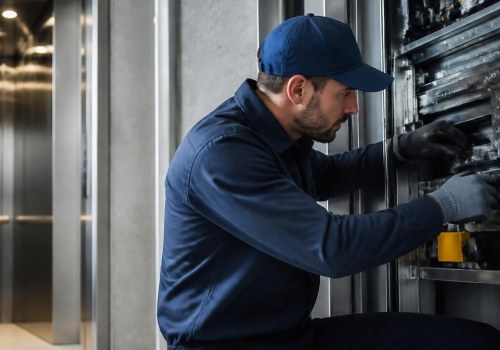
Modern buildings rely heavily on elevators to support daily operations, tenant convenience, and accessibility. While elevator maintenance has traditionally focused on mechanical reliability, electrical performance, and safety inspections, flood preparedness has become an increasingly important consideration. As urban areas continue to experience more frequent severe weather events and localized flooding, property managers and maintenance professionals are recognizing the need to incorporate flood risk mitigation into long-term elevator maintenance strategies.
Flooding can have a devastating impact on elevator systems because many critical components are located in areas vulnerable to water intrusion. Elevator pits, machine rooms, control panels, wiring systems, and electrical equipment can all suffer extensive damage when exposed to floodwaters. Even a relatively minor flooding event can result in costly repairs, extended downtime, and safety concerns for building occupants. As a result, modern maintenance programs increasingly include preventive measures designed to reduce the likelihood of flood-related damage.
Identifying Vulnerable Elevator Components
One of the first steps in developing a flood-conscious maintenance strategy is identifying which elevator components are most susceptible to water exposure. Elevator pits are particularly vulnerable because they are located below ground level and can quickly accumulate water during heavy rainfall or drainage failures. Water entering these spaces may damage buffers, electrical connections, sensors, and other essential equipment.
Maintenance teams often conduct risk assessments to evaluate drainage systems, sump pumps, waterproofing measures, and the condition of pit equipment. Regular inspections help identify weaknesses before they become serious problems. In many cases, preventive upgrades such as improved drainage channels, water-resistant materials, and enhanced monitoring systems can significantly reduce the risk of flood-related failures.
Integrating Emergency Planning Into Maintenance Programs
Modern elevator maintenance is no longer limited to scheduled servicing and mechanical repairs. Comprehensive programs frequently include emergency response planning that addresses potential flood events. Building managers may establish procedures for shutting down elevators before floodwaters reach critical areas, reducing the risk of equipment damage and occupant safety hazards.
Technological advancements have also contributed to improved preparedness. Water detection sensors can provide early warnings when moisture is detected in elevator pits or machine rooms. These systems allow maintenance personnel to respond quickly, potentially preventing extensive damage. Some buildings have integrated monitoring systems that automatically alert facility managers when abnormal conditions are detected.
Collaboration with restoration and recovery professionals is often an important component of emergency planning. Companies such as First Choice Water Damage Experts Raleigh may become valuable partners following water intrusion incidents by helping property owners assess damage, remove excess water, and support recovery efforts. Incorporating these relationships into preparedness plans can help reduce downtime and streamline post-flood response procedures.
Long-Term Benefits of Flood-Focused Maintenance
Investing in flood preparedness as part of an elevator maintenance strategy offers benefits that extend beyond immediate risk reduction. Preventive planning can help lower repair costs, extend equipment lifespan, improve building safety, and minimize service interruptions. Tenants and visitors increasingly expect reliable building systems, making resilience an important aspect of overall property management.
Additionally, insurance providers and regulatory agencies may place greater emphasis on risk mitigation practices as climate-related challenges continue to evolve. Buildings that proactively address flood risks often find themselves better positioned to comply with changing requirements and maintain operational continuity during severe weather events.
Preparing for Future Challenges
As building infrastructure becomes more sophisticated, maintenance strategies must evolve to address a wider range of risks. Flood preparedness has emerged as a critical component of responsible elevator management because water damage can compromise both safety and functionality. By incorporating risk assessments, preventive upgrades, emergency planning, and ongoing monitoring into maintenance programs, property owners can better protect their elevator systems from unexpected disruptions. This proactive approach helps ensure that elevators remain dependable assets even in environments where flooding presents an increasing threat.