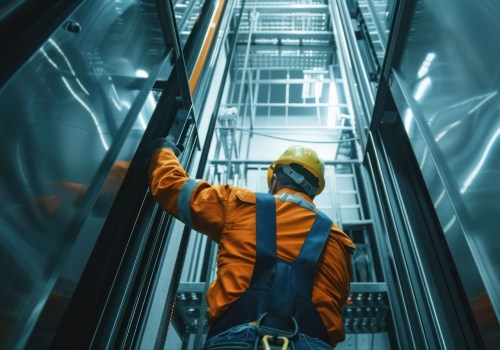
Elevators are a crucial component of modern buildings, providing essential vertical transportation that enhances accessibility and convenience. However, the significance of elevator maintenance often goes unnoticed until a malfunction occurs. Regular maintenance is not merely a recommendation; it is a vital practice that ensures the safety and functionality of these systems. Neglecting proper maintenance can lead to serious consequences, including safety hazards, costly repairs, and operational downtime. The importance of elevator maintenance cannot be overstated.
Elevators are complex machines that require routine inspections and servicing to operate efficiently. These procedures help identify potential issues before they escalate into major problems, ensuring that elevators function smoothly and safely. Moreover, adhering to maintenance schedules not only prolongs the lifespan of the equipment but also complies with legal safety standards, protecting both users and property owners. In this article, we will delve deeper into the consequences of failing to follow proper elevator maintenance procedures. Understanding these repercussions is essential for building managers, property owners, and anyone responsible for maintaining elevator systems.
By recognizing the risks associated with neglecting maintenance, stakeholders can make informed decisions that prioritize safety and efficiency in their operations.
The Importance of Regular Elevator Maintenance
Regular elevator maintenance is crucial for ensuring the safety, efficiency, and longevity of elevator systems. Neglecting maintenance can lead to a range of issues that not only compromise performance but also pose significant safety risks.One of the primary benefits of adhering to a regular maintenance schedule is the enhancement of elevator performance. Well-maintained elevators operate smoothly and quietly, providing a comfortable experience for users. Regular inspections and servicing help identify potential problems before they escalate, ensuring that elevators function at optimal levels.Moreover, routine maintenance significantly contributes to the safety of elevator operations.Elevators are complex machines that require precise functioning of various components. Regular checks can uncover wear and tear on critical parts such as cables, pulleys, and brakes. By addressing these issues promptly, building owners can prevent accidents that could result in injuries or fatalities.In addition to safety and performance, regular elevator maintenance extends the lifespan of the equipment. Just like any other mechanical system, elevators benefit from consistent care.
By investing in scheduled maintenance, property owners can avoid costly repairs or premature replacements, ultimately saving money in the long run.In summary, the importance of regular elevator maintenance cannot be overstated. It not only enhances performance and safety but also ensures the longevity of the equipment. Building owners should prioritize establishing a comprehensive maintenance plan to reap these benefits and protect their investments.
Consequences of Neglecting Elevator Maintenance
Neglecting elevator maintenance can lead to a myriad of serious consequences that affect not only the functionality of the elevator but also the safety of its users. One of the most immediate risks is the potential for elevator breakdowns.When regular maintenance checks are skipped, wear and tear on critical components such as cables, pulleys, and control systems can go unnoticed, leading to unexpected failures. This not only causes inconvenience but can also pose significant safety hazards.In addition to safety concerns, there are substantial financial implications associated with poor elevator maintenance. The cost of emergency repairs following a breakdown is often much higher than the expense of routine maintenance. Furthermore, prolonged downtime due to elevator malfunctions can result in lost revenue for businesses that rely on elevators for customer access or operational efficiency.Another consequence of neglecting elevator care is the potential for legal liabilities.
If an elevator accident occurs due to lack of maintenance, property owners or managers may face lawsuits from injured parties. This not only damages reputations but can also lead to costly settlements and increased insurance premiums.Moreover, operational disruptions caused by elevator failures can have a cascading effect on building operations. For instance, in commercial settings, employees may be unable to reach their offices or clients may be deterred from visiting, leading to decreased productivity and customer satisfaction.In summary, the consequences of neglecting elevator maintenance extend far beyond mere inconvenience. They encompass serious safety risks, significant financial burdens, potential legal issues, and operational inefficiencies.
Prioritizing regular maintenance is essential to mitigate these risks and ensure safe and reliable elevator operation.
Safety Hazards Associated with Poor Maintenance
Neglecting elevator maintenance can lead to severe safety hazards that endanger both passengers and service personnel. When elevators are not properly maintained, the risk of accidents increases significantly, often resulting in injuries or even fatalities.One of the most common safety hazards associated with poor maintenance is the malfunction of critical components such as cables, brakes, and control systems. For instance, a report from the U.S. Bureau of Labor Statistics indicates that elevator-related accidents account for approximately 30 deaths and over 17,000 injuries annually in the United States alone.Many of these incidents stem from equipment failure due to inadequate upkeep.
- Malfunctioning Doors: If elevator doors do not open or close properly, passengers may be at risk of being trapped or injured when attempting to enter or exit.
- Free Falls: A lack of regular inspections can lead to cable wear and tear, increasing the likelihood of an elevator free-falling between floors.
- Electrical Failures: Poorly maintained electrical systems can cause power surges or shorts, leading to sudden stops or fires.
Financial Implications of Neglecting Maintenance
Neglecting elevator maintenance can lead to significant financial repercussions that extend far beyond immediate repair costs.When maintenance is overlooked, the likelihood of major breakdowns increases, which can result in expensive repairs that could have been avoided with regular upkeep.
Costs of Elevator Repairs
- Routine maintenance is typically much less expensive than emergency repairs. For instance, a simple inspection might cost a few hundred dollars, while a complete system overhaul can run into the tens of thousands.
- Parts replacement due to neglect can also escalate costs. For example, failing to replace worn cables or brakes can lead to catastrophic failures, necessitating extensive repairs.
- In addition to repair costs, there are potential legal liabilities. If an elevator malfunctions and causes injury, the property owner may face lawsuits that could result in hefty settlements or judgments.
- Insurance premiums may also rise due to claims related to elevator accidents, further straining budgets.
This budget should include:
- Regular inspections and servicing by certified professionals.
- A contingency fund for unexpected repairs or upgrades.
- Training for staff on recognizing early signs of elevator issues.
Operational Disruptions Caused by Elevator Failures
When elevator maintenance is neglected, the consequences can be severe, particularly in commercial settings where elevators are essential for daily operations. One of the most immediate effects of elevator failures is elevator downtime, which can lead to significant operational disruptions.For businesses that rely on elevators to transport customers and employees, such as office buildings, shopping malls, and hospitals, prolonged outages can result in:- Increased wait times: Customers and employees may face long delays, leading to frustration and dissatisfaction.
- Reduced accessibility: Inaccessible elevators can hinder mobility for individuals with disabilities, violating regulations and damaging a business's reputation.
- Loss of productivity: Employees may waste valuable time waiting for elevators or taking the stairs, which can impact overall efficiency.
- Financial losses: Service interruptions can lead to decreased foot traffic in retail environments, directly affecting sales and revenue.
For instance, in a hospital setting, delays in transporting patients can have serious implications for care delivery.Moreover, frequent service interruptions due to poor maintenance can erode customer trust. Clients expect reliable service; when that expectation is not met, they may choose to take their business elsewhere. This loss of customer loyalty can have long-term repercussions on a company's bottom line.In summary, the consequences of not adhering to proper elevator maintenance procedures are far-reaching. From operational disruptions to financial losses and diminished customer satisfaction, the stakes are high for businesses that overlook the importance of regular elevator upkeep.
Best Practices for Elevator Maintenance
To ensure the longevity and safety of elevators, adhering to elevator maintenance best practices is essential.Implementing a structured maintenance plan can significantly reduce the risk of malfunctions and enhance user safety.
Regular Inspections
Conducting regular inspections is a cornerstone of effective elevator maintenance. These inspections should include:- Visual checks for any signs of wear and tear.
- Testing emergency systems to ensure they function correctly.
- Monitoring the performance of doors, brakes, and other critical components.
Preventive Measures
Incorporating preventive measures can help identify potential issues before they escalate. Consider the following:- Lubrication: Regularly lubricate moving parts to minimize friction and wear.
- Cleaning: Keep the elevator shaft and machinery free from dust and debris.
- Updating software: Ensure that any control systems are updated to the latest versions for optimal performance.
Maintenance Checklist
A comprehensive maintenance checklist can streamline the process. Here’s a basic outline:- Monthly: Inspect cables, pulleys, and belts for signs of damage.
- Quarterly: Test emergency alarms and communication systems.
- Semi-Annually: Conduct a full operational test of the elevator system.
- Annually: Schedule a professional inspection by certified technicians.
FAQs About Elevator Maintenance Consequences
When it comes to elevator maintenance, many property owners have questions about the potential consequences of neglecting proper procedures.Here are some frequently asked questions that can help clarify these concerns:
What happens if I skip regular elevator maintenance?
Skipping regular maintenance can lead to a variety of issues, including:- Increased risk of accidents: Without routine checks, elevators may malfunction, posing safety hazards to users.
- Higher repair costs: Minor issues can escalate into major problems, resulting in expensive repairs that could have been avoided.
- Downtime: An elevator that is not properly maintained may break down more frequently, leading to inconvenience for residents or employees.
How often should elevator maintenance be performed?
The frequency of elevator maintenance largely depends on usage and local regulations. However, a general guideline is:- Monthly inspections: For high-traffic elevators, monthly checks are recommended to ensure safety and functionality.
- Quarterly servicing: Elevators in moderate-use buildings should undergo maintenance every three months.
- Annual comprehensive inspections: A thorough inspection by a certified technician should be conducted at least once a year.
What are the safety implications of poor elevator maintenance?
Poor maintenance can lead to serious safety implications, such as:- Injuries: Malfunctioning elevators can cause injuries to passengers, ranging from minor accidents to severe incidents.
- Legal liabilities: Property owners may face lawsuits if negligence in maintenance leads to accidents.
- Regulatory fines: Failing to comply with local safety regulations can result in hefty fines and penalties.
Conclusion: The Necessity of Proper Elevator Maintenance Procedures
In conclusion, the importance of adhering to proper elevator maintenance procedures cannot be overstated. Neglecting these essential practices can lead to a myriad of consequences that not only compromise the safety of passengers but also result in significant financial implications for building owners and operators. Throughout this article, we have explored several key points regarding the repercussions of inadequate maintenance:- Safety Risks: Failing to maintain elevators can lead to malfunctions, which may cause accidents or injuries.
Regular inspections and maintenance help identify potential issues before they escalate.
- Increased Downtime: Elevators that are not properly maintained are more likely to experience breakdowns, leading to extended periods of downtime. This can disrupt daily operations and inconvenience users.
- Higher Repair Costs: Neglecting routine maintenance often results in more severe damage that requires costly repairs. Investing in regular maintenance can save money in the long run.
- Regulatory Compliance: Many jurisdictions have strict regulations regarding elevator safety and maintenance. Non-compliance can lead to fines and legal issues.
By prioritizing regular inspections, timely repairs, and adherence to safety standards, building managers can create a safer environment for all users while also protecting their investment. In summary, the consequences of neglecting proper elevator maintenance are far-reaching. It is imperative for stakeholders to recognize the value of these procedures and commit to maintaining their elevators effectively.