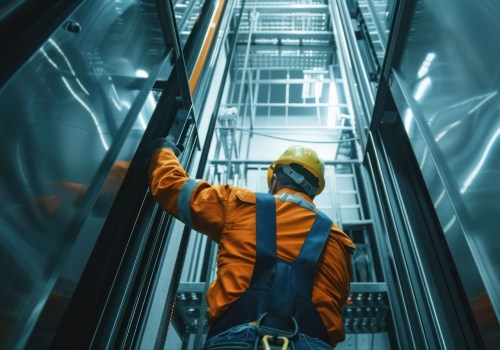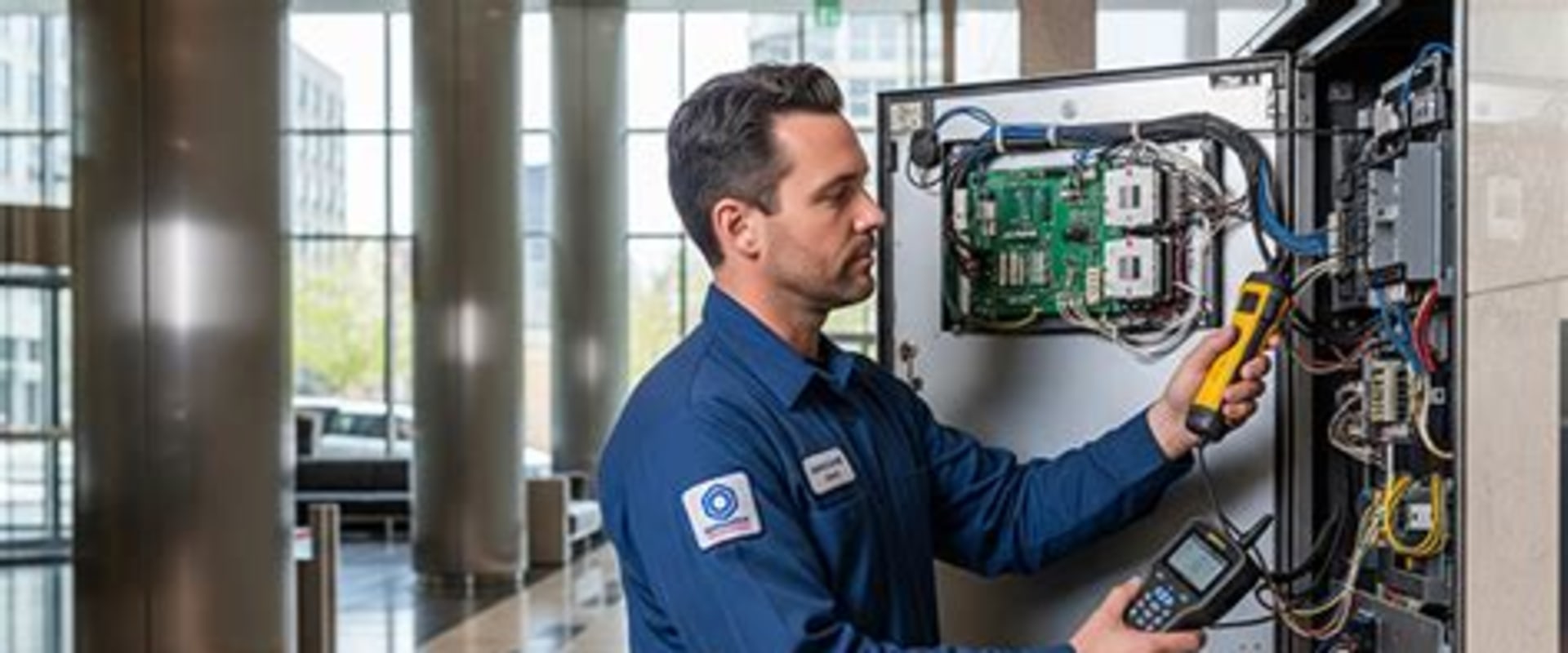
Elevator maintenance is a critical aspect of building management that often goes unnoticed until a problem arises. Regular maintenance not only ensures the smooth operation of elevators but also plays a vital role in safeguarding the safety of passengers. With elevators being a primary mode of transportation in multi-story buildings, their reliability is paramount. Neglecting elevator maintenance can lead to unexpected breakdowns, which not only disrupt daily activities but can also pose serious safety risks. Moreover, the importance of elevator maintenance extends beyond mere functionality; it is also a matter of legal compliance.
Various regulations and standards govern the operation and upkeep of elevators, requiring property owners and managers to adhere to specific maintenance schedules and safety checks. Understanding these legal requirements for elevators is essential for avoiding potential liabilities and ensuring that the elevator systems meet the necessary safety codes. In this article, we will delve deeper into the legal requirements surrounding elevator maintenance, highlighting why consistent upkeep is not just a best practice but a legal obligation. By prioritizing elevator maintenance, building owners can enhance safety, improve operational efficiency, and ultimately protect their investment while ensuring compliance with applicable laws.
Overview of Elevator Maintenance Regulations
Elevator maintenance is governed by a complex framework of regulations that ensure the safety and reliability of these essential systems. Both federal and state laws play a crucial role in establishing the standards for elevator maintenance, which are designed to protect users and maintain operational integrity.At the federal level, the Occupational Safety and Health Administration (OSHA) sets forth guidelines that indirectly impact elevator maintenance through workplace safety regulations.While OSHA does not specifically regulate elevators, its standards require that all equipment, including elevators, be maintained in a safe condition to prevent workplace injuries.In addition to federal guidelines, each state has its own set of elevator safety laws that dictate maintenance practices. These laws often include:
- Regular Inspections: Most states require periodic inspections by certified professionals to ensure compliance with safety standards.
- Maintenance Records: Operators must keep detailed records of all maintenance activities, including repairs and inspections, to demonstrate compliance with state regulations.
- Certification Requirements: Maintenance personnel may need specific certifications or licenses to perform work on elevators, ensuring that only qualified individuals handle these systems.
Failure to adhere to elevator maintenance regulations can result in severe penalties, including fines and increased insurance costs.In summary, understanding the legal requirements surrounding elevator maintenance is vital for operators and building owners alike. By staying informed about both federal and state regulations, stakeholders can ensure compliance and promote a safe environment for all elevator users.
Key Legal Requirements for Elevator Maintenance
Ensuring compliance with legal requirements for elevator maintenance is crucial for the safety of passengers and the longevity of the equipment. Various regulations govern the maintenance and inspection of elevators, which can vary by state and municipality. Below are some key aspects to consider:- Regular Inspections: Most jurisdictions mandate that elevators undergo regular inspections, typically on an annual basis.
These inspections must be conducted by a licensed elevator inspector who evaluates the equipment's safety features, mechanical systems, and overall functionality.
- Maintenance Schedules: Establishing a comprehensive maintenance schedule is not only a best practice but often a legal requirement. This schedule should outline routine checks, repairs, and servicing to ensure that all components are functioning correctly. Documentation of these activities is essential for compliance.
- Documentation: Keeping detailed records of all maintenance activities and inspections is critical. This documentation should include dates of service, findings from inspections, repairs made, and any parts replaced.
In the event of an incident, these records serve as proof of compliance with elevator inspection laws.
- Compliance with Local Codes: Each state may have specific codes that govern elevator maintenance. It is important to familiarize yourself with local regulations to ensure that your maintenance practices meet all legal standards.
State-Specific Elevator Maintenance Laws
Understanding elevator maintenance laws is crucial for property owners and managers, as these regulations can vary significantly from state to state. Each state has its own set of requirements that dictate how often elevators must be inspected, the qualifications of maintenance personnel, and the documentation needed to ensure compliance.State-Specific Regulations
- California: In California, the Division of Occupational Safety and Health (Cal/OSHA) mandates that elevators be inspected at least once a year.
Additionally, maintenance records must be kept for a minimum of five years.
- New York: New York City has stringent regulations requiring monthly inspections for certain types of elevators. The city also requires that all maintenance work be performed by licensed elevator mechanics.
- Texas: Texas does not have a statewide elevator inspection program; however, local jurisdictions may impose their own regulations. Property owners should check with their city or county for specific requirements.
- Florida: Florida mandates annual inspections and requires that all elevators be registered with the state. Maintenance logs must be maintained and made available during inspections.
Unique Requirements
Some states have unique requirements that go beyond standard inspections.
For example:
- Illinois: In Illinois, elevators in high-rise buildings must undergo a comprehensive inspection every five years, which includes testing safety features and emergency systems.
- Pennsylvania: Pennsylvania requires that all elevator maintenance personnel complete a state-approved training program to ensure they are knowledgeable about safety standards and operational protocols.
The Role of Elevator Maintenance Companies in Compliance
Elevator maintenance companies play a crucial role in ensuring compliance with local, state, and federal regulations governing elevator safety and functionality. These companies are responsible for conducting regular inspections, performing necessary repairs, and maintaining the equipment to meet the stringent standards set forth by regulatory bodies.One of the primary responsibilities of elevator maintenance companies is to stay updated on the latest laws and regulations that affect elevator operations. This includes understanding the specific codes that apply to their jurisdiction, such as the American Society of Mechanical Engineers (ASME) A17.1 code, which outlines safety requirements for elevators and escalators.By adhering to these regulations, maintenance companies help ensure that elevators operate safely and efficiently.When hiring an elevator service provider, it is essential to consider several factors to ensure compliance:
- Licensing and Certification: Verify that the company holds the necessary licenses and certifications required by your state or local government. This ensures they are qualified to perform maintenance and repairs.
- Experience: Look for companies with a proven track record in elevator maintenance. Experienced providers are more likely to be familiar with compliance issues and can navigate them effectively.
- Insurance: Ensure that the company carries adequate liability insurance. This protects you from potential liabilities arising from accidents or damages during maintenance work.
- References and Reviews: Check for customer reviews and ask for references.
A reputable company will have positive feedback from previous clients regarding their compliance practices.
Best Practices for Ensuring Compliance in Elevator Maintenance
Ensuring compliance with legal requirements for elevator maintenance is crucial for property owners and managers. Here are some best practices to help you stay on track:- Regular Inspections: Schedule routine inspections as mandated by local laws. These inspections should be conducted by certified professionals who can identify potential issues before they become serious problems.
- Document Everything: Keep detailed records of all maintenance activities, inspections, and repairs.
This documentation not only helps in tracking the elevator's performance but also serves as proof of compliance during audits.
- Follow Manufacturer Guidelines: Adhere to the maintenance schedules and recommendations provided by the elevator manufacturer. This ensures that all components are serviced correctly and can extend the lifespan of the equipment.
- Train Staff: Ensure that your maintenance staff is well-trained in both the operational and safety aspects of elevator systems. Regular training sessions can help them stay updated on best practices and legal requirements.
- Emergency Preparedness: Develop an emergency response plan that includes procedures for elevator malfunctions. This plan should be communicated to all building occupants to ensure safety during emergencies.
Frequently Asked Questions about Elevator Maintenance Laws
Understanding the legal requirements surrounding elevator maintenance can be complex, but it is crucial for ensuring safety and compliance.Here are some frequently asked questions that can help clarify common inquiries about elevator laws:
- What are the general legal requirements for elevator maintenance?
Most jurisdictions require regular inspections and maintenance of elevators to ensure they operate safely. This often includes annual inspections by certified professionals and adherence to local building codes. - Who is responsible for elevator maintenance?
Typically, the property owner or manager is responsible for ensuring that elevators are maintained according to legal standards. However, they may hire a third-party service to perform the necessary inspections and repairs. - What happens if an elevator is not maintained properly?
Failure to comply with elevator maintenance laws can result in fines, legal liability in case of accidents, and potential shutdowns of the elevator until compliance is achieved. - Are there specific certifications required for elevator maintenance personnel?
Yes, many states require that elevator technicians hold specific certifications or licenses. These qualifications ensure that maintenance personnel are trained in safety protocols and technical standards. - How often should elevators be inspected?
While regulations vary by location, most areas mandate at least annual inspections.However, more frequent checks may be advisable depending on the elevator's usage and age.
Conclusion: The Importance of Adhering to Elevator Maintenance Laws
In conclusion, adhering to the legal requirements for elevator maintenance is not just a regulatory obligation but a critical aspect of ensuring safety and reliability in vertical transportation systems. The laws governing elevator maintenance are designed to protect both users and property owners, minimizing the risk of accidents and ensuring that elevators operate efficiently.Throughout this article, we have explored various facets of elevator maintenance, including:- The necessity of regular inspections and testing as mandated by local and state regulations.
- The importance of keeping detailed maintenance records to demonstrate compliance with legal standards.
- The role of certified professionals in performing maintenance tasks to ensure adherence to safety codes.
- Legal repercussions: Non-compliance can result in fines, penalties, or even lawsuits in the event of an accident.
- Increased liability: Property owners may face heightened liability risks if they neglect proper maintenance protocols.
- Operational downtime: Elevators that do not meet legal standards may be taken out of service, leading to inconvenience and loss of business.