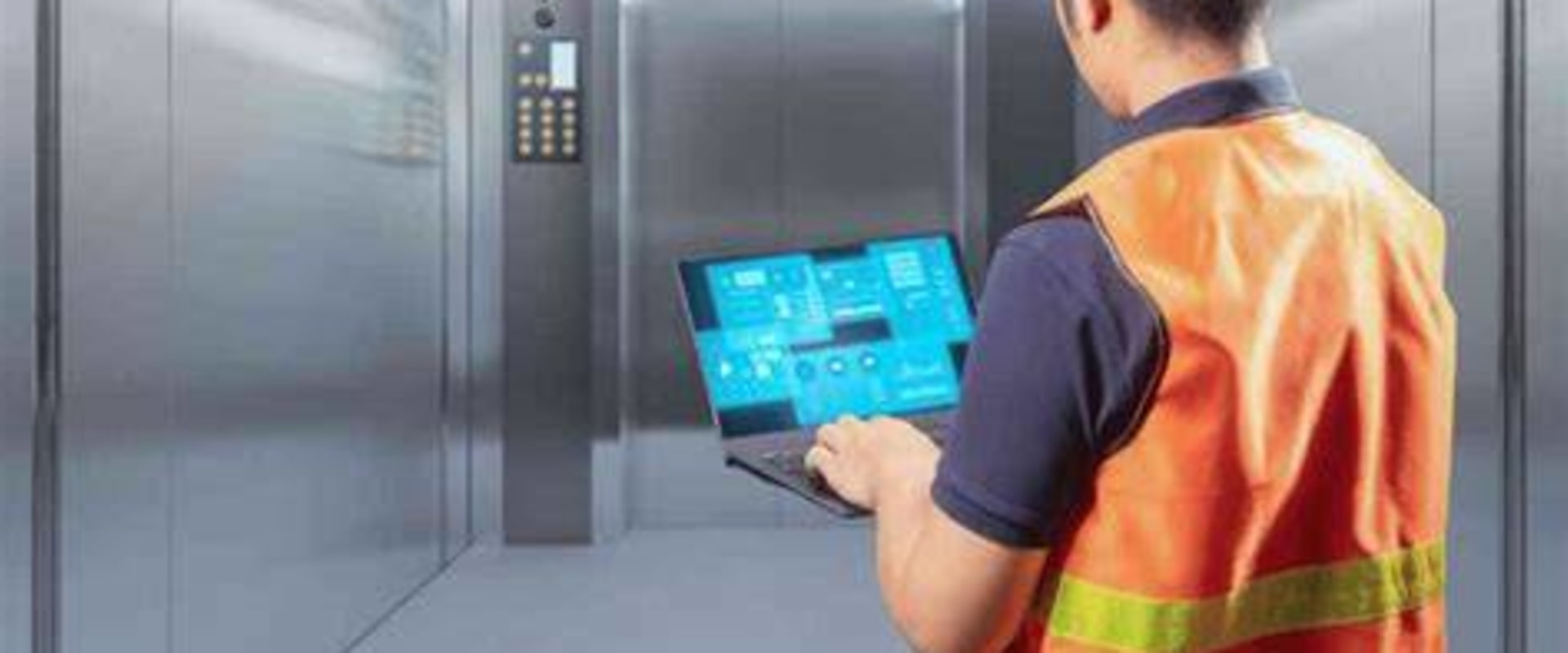
Elevator maintenance is a critical aspect of building management that often goes overlooked until issues arise. Regular and thorough maintenance not only ensures the smooth operation of elevators but also plays a vital role in ensuring safety for all users. Elevators are complex systems that require a deep understanding of mechanical and electrical components, making it essential for property managers and building owners to prioritize elevator maintenance as part of their safety protocols. The importance of elevator maintenance cannot be overstated. Neglecting routine checks and repairs can lead to malfunctions that pose serious risks to passengers.
In fact, many safety regulations are in place specifically to mitigate these risks, ensuring that elevators operate within established safety standards. Compliance with these regulations not only protects individuals but also shields property owners from potential legal liabilities. Moreover, regular maintenance helps in identifying potential issues before they escalate into costly repairs or dangerous situations. By investing in a comprehensive maintenance program, building owners can enhance the longevity of their elevators while fostering a safe environment for all users. This proactive approach not only complies with safety regulations but also builds trust with tenants and visitors, reinforcing the overall reputation of the property.
Key Safety Regulations Governing Elevator Maintenance
Ensuring compliance with safety regulations during elevator maintenance is essential for the protection of both passengers and service personnel.Various regulations govern elevator safety, and understanding these is crucial for maintaining compliance.
Federal Regulations
- The Occupational Safety and Health Administration (OSHA) sets forth guidelines that must be followed to ensure workplace safety, including the maintenance of elevators.
- The Americans with Disabilities Act (ADA) mandates that elevators in public buildings meet specific accessibility standards, which also impacts maintenance practices.
State Regulations
- Each state has its own set of regulations that may include licensing requirements for elevator technicians and specific maintenance protocols.
- Many states adopt the American Society of Mechanical Engineers (ASME) A17.1 code, which outlines safety standards for elevators and escalators.
Local Regulations
- Local building codes often dictate additional requirements for elevator maintenance, including inspection frequencies and reporting procedures.
- Municipalities may have specific ordinances that require regular safety audits and compliance checks to ensure ongoing adherence to safety standards.
Best Practices for Elevator Maintenance Compliance
Ensuring compliance with safety regulations during elevator maintenance is crucial for the safety of passengers and the longevity of the equipment.Here are some best practices that maintenance teams can implement to achieve this goal:
- Regular Training: Conduct regular training sessions for maintenance personnel to keep them updated on the latest safety regulations and maintenance techniques.
- Comprehensive Checklists: Utilize a detailed elevator maintenance checklist that covers all essential components, including cables, pulleys, brakes, and control systems. This ensures that no critical aspect is overlooked during inspections.
- Documentation: Maintain thorough records of all maintenance activities, inspections, and repairs. This documentation serves as proof of compliance and can be invaluable during audits.
- Scheduled Inspections: Implement a routine inspection schedule that adheres to local regulations and manufacturer recommendations. Regular inspections help identify potential issues before they become serious problems.
- Use of Certified Parts: Always use certified replacement parts that meet industry standards.
This not only ensures compliance but also enhances the reliability of the elevator system.
- Emergency Preparedness: Develop and practice emergency response plans specific to elevator incidents. This includes training staff on how to handle emergencies effectively while ensuring passenger safety.
The Role of Qualified Personnel in Elevator Maintenance
Ensuring compliance with safety regulations during elevator maintenance heavily relies on the expertise of qualified personnel. The role of qualified elevator technicians cannot be overstated, as they are trained to identify potential hazards and implement necessary safety measures.These professionals undergo rigorous training programs that cover various aspects of elevator systems, including mechanical, electrical, and safety protocols.
Training for Elevator Maintenance
- Comprehensive understanding of elevator mechanics and electronics.
- Knowledge of local and national safety codes, such as the American Society of Mechanical Engineers (ASME) A17.1.
- Hands-on experience through apprenticeships or vocational training programs.
Key Certifications Include:
- National Institute for Certification in Engineering Technologies (NICET): This certification focuses on the technical aspects of elevator systems.
- International Union of Elevator Constructors (IUEC): This union provides training and certification that emphasizes safety and compliance.
- State Licensure: Many states require elevator technicians to hold a valid license, ensuring they meet local regulatory standards.
Common Compliance Challenges in Elevator Maintenance
Ensuring compliance with safety regulations during elevator maintenance can be a daunting task for many organizations.Several common challenges can hinder compliance efforts, but understanding these issues is the first step toward effective solutions.
- Lack of Knowledge: Many maintenance personnel may not be fully aware of the latest safety regulations and standards. This knowledge gap can lead to improper maintenance practices that compromise safety.
- Inconsistent Maintenance Schedules: Adhering to a strict maintenance schedule is crucial for compliance. However, organizations often struggle with scheduling regular inspections and maintenance due to operational demands or budget constraints.
- Documentation Issues: Proper documentation is essential for demonstrating compliance. Inadequate record-keeping can result in missed inspections or untracked maintenance activities, making it difficult to prove adherence to safety regulations.
- Vendor Reliability: Relying on third-party vendors for elevator maintenance can introduce compliance risks if those vendors do not follow industry standards or regulations.
- Training Programs: Regular training sessions for maintenance staff can help ensure they are up-to-date with the latest safety regulations and best practices.
- Establishing a Maintenance Calendar: Creating a detailed maintenance calendar that outlines inspection dates and tasks can help ensure that all necessary activities are completed on time.
- Improving Documentation Practices: Utilizing digital tools for tracking maintenance activities and inspections can streamline documentation processes and enhance compliance.
- Selecting Reliable Vendors: Conducting thorough research and vetting of third-party vendors can help ensure they adhere to safety standards and regulations.
Technological Innovations Enhancing Elevator Safety Compliance
In recent years, the integration of technology into elevator maintenance has significantly enhanced safety compliance.Innovations such as smart elevators are at the forefront of this transformation, providing real-time monitoring and data analytics that ensure adherence to safety regulations.
Smart elevators
are equipped with advanced sensors and IoT (Internet of Things) technology that continuously track performance metrics. These systems can detect anomalies in operation, such as unusual vibrations or door malfunctions, and alert maintenance teams immediately. This proactive approach not only minimizes downtime but also ensures that any potential safety issues are addressed before they escalate.Moreover, many modern elevators come with built-in compliance features that automatically log maintenance activities and inspections. This digital record-keeping simplifies the process of demonstrating compliance with local and national safety regulations.Maintenance teams can easily access historical data, which is crucial during audits or inspections.
- Predictive Maintenance: Utilizing machine learning algorithms, smart elevators can predict when components are likely to fail, allowing for timely interventions that prevent accidents.
- Remote Monitoring: Technicians can monitor elevator systems remotely, reducing the need for on-site visits and ensuring that any issues are resolved swiftly.
- User Feedback Systems: Many smart elevators now include interfaces for users to report issues directly, enhancing communication between passengers and maintenance teams.
Frequently Asked Questions About Elevator Maintenance Compliance
When it comes to elevator maintenance, many property owners and managers have questions regarding compliance with safety regulations. Here are some of the most frequently asked questions:- What are the key safety regulations for elevator maintenance?
Compliance with safety regulations typically involves adhering to standards set by organizations such as the American Society of Mechanical Engineers (ASME) and local building codes. These regulations cover aspects like regular inspections, maintenance schedules, and emergency procedures. - How often should elevators be inspected?
Most jurisdictions require elevators to be inspected at least once a year.However, depending on usage and local laws, more frequent inspections may be necessary. Regular checks help identify potential issues before they become serious problems.
- What qualifications should elevator maintenance personnel have?
Technicians performing elevator maintenance should be certified and trained in accordance with industry standards. This ensures they are knowledgeable about safety protocols and can effectively address any issues that arise. - What documentation is required for compliance?
Keeping detailed records of all maintenance activities, inspections, and repairs is crucial for compliance. This documentation not only demonstrates adherence to regulations but also helps in tracking the elevator's performance over time. - What should I do if I suspect a safety issue with my elevator?
If you notice any irregularities or safety concerns, it is essential to contact a qualified technician immediately.Do not use the elevator until it has been inspected and deemed safe.
Conclusion: The Path to Safe and Compliant Elevator Maintenance
In conclusion, ensuring compliance with safety regulations during elevator maintenance is not just a legal obligation but a critical aspect of safeguarding the well-being of users and maintenance personnel alike. Throughout this article, we have explored various strategies and best practices that can help facility managers and maintenance teams uphold these standards. First and foremost, it is essential to stay informed about the latest local, state, and federal regulations governing elevator maintenance. Regularly reviewing these guidelines ensures that your maintenance practices are up-to-date and compliant. Additionally, engaging with industry organizations can provide valuable resources and insights into evolving safety standards. Another key point is the importance of conducting thorough inspections and audits.Implementing a routine schedule for elevator maintenance checks not only helps identify potential issues before they escalate but also demonstrates a commitment to safety. These inspections should be documented meticulously to provide a clear record of compliance. Training and certification of maintenance personnel cannot be overlooked. Ensuring that all staff involved in elevator maintenance are properly trained in safety protocols and emergency procedures is vital. This not only enhances their ability to perform their duties safely but also fosters a culture of safety within the organization. Finally, fostering open communication with elevator manufacturers and service providers can lead to better compliance outcomes.
They can offer insights into best practices and emerging technologies that enhance safety during maintenance operations. By prioritizing these strategies, organizations can navigate the complexities of elevator maintenance while ensuring compliance with safety regulations, ultimately leading to safer environments for all users.