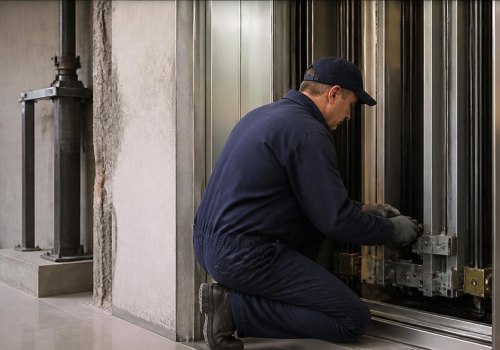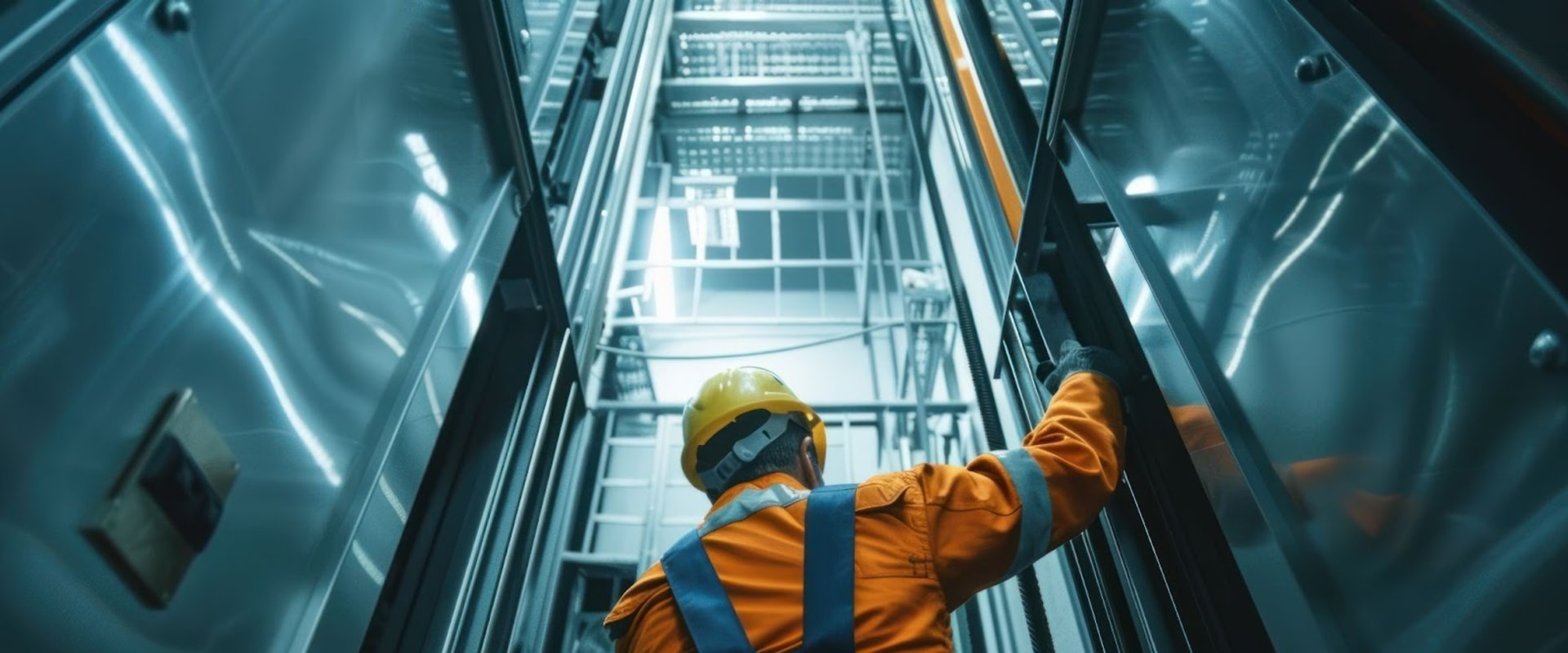
Elevators are a vital component of modern buildings, providing essential access and convenience for occupants. However, like any mechanical system, they require regular elevator maintenance to ensure their safety and functionality. Neglecting this crucial upkeep can lead to unexpected breakdowns, safety hazards, and significant inconveniences for users. Understanding the importance of elevator maintenance is the first step in recognizing how to effectively manage the process while minimizing disruptions. Regular maintenance not only extends the lifespan of elevators but also enhances their performance and reliability.
A well-maintained elevator operates smoothly, reducing the risk of accidents and ensuring that occupants can move freely throughout a building. Moreover, routine inspections and timely repairs can prevent costly emergency interventions that often arise from neglect. This proactive approach to elevator upkeep is essential for maintaining a safe environment for all building users. As we delve deeper into the strategies for minimizing disruptions during elevator maintenance, it is crucial to appreciate the balance between necessary upkeep and occupant convenience. By prioritizing elevator maintenance, building managers can create a safer, more efficient space while also implementing measures that respect the daily routines of those who rely on these essential systems.
Planning and Scheduling Elevator Maintenance
Effective elevator maintenance is crucial for ensuring the safety and convenience of building occupants.One of the most significant ways to minimize disruptions during this process is through careful planning and scheduling. By strategically choosing the timing of maintenance activities, property managers can significantly reduce the impact on daily operations.
Scheduling elevator maintenance
during off-peak hours is essential. This typically means selecting times when the building is least occupied, such as early mornings, late evenings, or weekends. By doing so, you can ensure that the majority of occupants are not inconvenienced by temporary outages.- Identify peak usage times: Analyze building traffic patterns to determine when elevators are most frequently used.
This data can help in pinpointing ideal maintenance windows.
- Communicate with occupants: Inform residents or employees well in advance about scheduled maintenance. Providing clear communication about when and how long the elevators will be out of service can help manage expectations.
- Consider alternative solutions: If possible, arrange for temporary elevator services or provide clear signage directing occupants to alternative routes during maintenance.
By minimizing disruptions through effective scheduling and communication, property managers can maintain operational efficiency while ensuring that residents feel valued and informed.
Communication with Building Occupants
Effective communication with building occupants is crucial during elevator maintenance to minimize disruptions and maintain tenant satisfaction. Clear and timely information can help residents prepare for any inconveniences and foster a sense of community trust.Informing Occupants About Repairs
Start by providing detailed information about the maintenance schedule. This includes:- Date and Time: Specify when the maintenance will occur, including start and end times.
- Duration: Estimate how long the elevator will be out of service.
- Reason for Maintenance: Explain why the maintenance is necessary, such as safety checks or upgrades.
- Email Notifications: Send out emails to all tenants with detailed information.
- Posters in Common Areas: Place notices in high-traffic areas like lobbies or mailrooms.
- Building Website or App: Update your online platforms with real-time information regarding the maintenance.
Tenant Communication Strategies
In addition to initial notifications, consider implementing ongoing communication strategies:- Regular Updates: Keep tenants informed about any changes to the schedule or unexpected delays.
- Feedback Channels: Provide a way for tenants to voice concerns or ask questions, such as a dedicated email address or a suggestion box.
- Post-Maintenance Follow-Up: After the work is completed, send a follow-up message thanking tenants for their patience and informing them of any improvements made.
Utilizing Temporary Solutions During Maintenance
During elevator maintenance, minimizing disruptions to building occupants is crucial for maintaining a positive environment. One effective strategy is to implement temporary solutions that ensure continued access while repairs are underway.Utilizing Service Elevators
If the building has a service elevator, it can be an excellent alternative during maintenance.Service elevators are typically designed for transporting goods and personnel, making them ideal for temporary use. By clearly communicating the availability of the service elevator to occupants, you can help alleviate concerns about accessibility.
Alternative Access Routes
In addition to service elevators, consider establishing alternative access routes. This could involve:- Stairwell Access: Ensure that stairwells are well-lit and clearly marked. Providing signage can guide occupants to use these routes safely.
- Temporary Ramps: For buildings with mobility-impaired individuals, installing temporary ramps can facilitate easier access during maintenance.
- Dedicated Personnel: Assign staff members to assist occupants in navigating alternative routes, especially during peak hours.
Communication is Key
Effective communication plays a vital role in minimizing disruption.Informing occupants about the maintenance schedule and the temporary solutions in place can significantly reduce anxiety. Utilize emails, building notices, or even digital signage in common areas to keep everyone updated.By proactively implementing these temporary solutions, building managers can ensure that elevator maintenance is conducted smoothly while minimizing inconvenience for all occupants. This approach not only enhances safety but also fosters a sense of community trust and satisfaction among residents and employees alike.
Choosing the Right Maintenance Team
When it comes to elevator maintenance, selecting the right maintenance team is crucial for minimizing disruptions to building occupants. A qualified and experienced team can ensure that repairs and servicing are conducted efficiently, reducing downtime and inconvenience.1.Research Elevator Maintenance Companies
- Start by researching local elevator maintenance companies.
Look for those with a solid reputation and positive customer reviews.
- Check their credentials, including licenses and certifications, to ensure they meet industry standards.
- Inquire about their experience with different types of elevators, as specialized knowledge can lead to more effective maintenance.
2.Evaluate Their Response Time
- A quick response time is essential during emergencies. Ask potential contractors about their average response times for service calls.
- Consider companies that offer 24/7 support, ensuring that any issues can be addressed promptly, minimizing disruption.
3.Assess Communication Skills
- Effective communication is key to a successful maintenance relationship. Ensure that the team you hire is responsive and transparent about the work being done.
- They should provide clear timelines and updates throughout the maintenance process, keeping occupants informed.
4.Look for Comprehensive Services
- Select a team that offers a range of professional elevator services, from routine inspections to emergency repairs. This ensures that all your maintenance needs can be met by one provider.
- A comprehensive service package can also help in scheduling maintenance during off-peak hours, further reducing disruptions.
Implementing Technology in Elevator Maintenance
In the realm of elevator maintenance, the integration of technology plays a pivotal role in minimizing disruptions for building occupants.By leveraging advanced systems, property managers can ensure that maintenance is not only efficient but also less intrusive.
Smart elevators
are at the forefront of this technological evolution. These systems utilize sensors and data analytics to monitor performance in real-time. By collecting data on usage patterns and operational efficiency, smart elevators can predict when maintenance is needed, allowing for timely interventions that prevent unexpected breakdowns.One of the most significant advancements in elevator maintenance is the adoption of predictive maintenance technology. This approach shifts the focus from reactive repairs to proactive management.By analyzing data collected from various sensors, technicians can identify potential issues before they escalate into major problems. This not only reduces downtime but also enhances the overall safety and reliability of elevator systems.
- Benefits of Predictive Maintenance:
- Reduces emergency repair costs by addressing issues early.
- Minimizes service interruptions for occupants.
- Extends the lifespan of elevator components through timely servicing.
By investing in smart solutions and predictive analytics, building managers can create a more seamless experience for all users.
Post-Maintenance Follow-Up and Feedback Collection
After completing elevator maintenance, it is crucial to engage with building occupants to assess their satisfaction and gather valuable feedback. This post-maintenance follow-up not only helps in evaluating the effectiveness of the service but also fosters a sense of community and trust between management and tenants.Importance of Feedback Collection
Collecting feedback from occupants serves multiple purposes:- Identifying Issues: Tenants may notice problems that were not apparent during maintenance, allowing for prompt resolution.
- Measuring Satisfaction: Understanding tenant satisfaction levels can guide future maintenance strategies and improve overall service quality.
- Building Relationships: Engaging with occupants shows that their opinions are valued, enhancing tenant retention and loyalty.
Methods for Gathering Feedback
There are several effective methods to collect feedback post-maintenance:- Surveys: Distributing short surveys via email or physical forms can provide structured insights into tenant experiences.
- Follow-Up Calls: Personal calls can help gauge satisfaction levels and address any lingering concerns directly.
- Feedback Boxes: Placing anonymous feedback boxes in common areas encourages tenants to share their thoughts freely.
Frequently Asked Questions About Elevator Maintenance Disruptions
When it comes to elevator maintenance, many building occupants have questions about potential disruptions and how to minimize them. Here are some frequently asked questions that can help clarify these concerns:- What types of maintenance can disrupt elevator service?
Routine inspections, repairs, and upgrades are common types of elevator maintenance that may temporarily halt service.These activities ensure the elevator operates safely and efficiently.
- How long does elevator maintenance typically take?
The duration of elevator maintenance can vary based on the complexity of the work. Simple inspections may take a few hours, while more extensive repairs or upgrades could require several days. - What steps can be taken to minimize disruption during maintenance?
To reduce inconvenience, building management can:
- Schedule maintenance during off-peak hours when fewer occupants are using the elevator.
- Provide advance notice to residents and employees about the maintenance schedule.
- Offer alternative transportation options, such as stair access or temporary service elevators.
- Are there any regulations regarding elevator maintenance notifications?
Yes, many local regulations require building owners to inform occupants about scheduled maintenance, especially if it affects accessibility.
Conclusion: Best Practices for Minimizing Disruptions During Elevator Maintenance
In conclusion, minimizing disruptions during elevator maintenance is crucial for maintaining tenant satisfaction and operational efficiency. By implementing the best practices outlined in this article, building managers can ensure a smoother maintenance process.Effective Communication: One of the most important strategies is to keep occupants informed. Providing advance notice about maintenance schedules through emails, flyers, or building announcements can help residents plan accordingly.Clear communication about the expected duration of the maintenance and any alternative arrangements can significantly reduce frustration.Scheduling Considerations: Timing is everything when it comes to elevator maintenance. Scheduling work during off-peak hours, such as early mornings or late evenings, can minimize the impact on daily routines. Additionally, planning maintenance during periods of lower occupancy, like holidays or weekends, can further reduce disruptions.Utilizing Temporary Solutions: If possible, consider installing temporary elevators or utilizing stairwell access for essential services. This approach ensures that occupants still have access to necessary facilities while maintenance is underway.Regular Maintenance Checks: Proactive maintenance can prevent major disruptions in the first place.
Regular inspections and timely repairs can help identify potential issues before they escalate into significant problems that require extensive downtime.Feedback Mechanism: Finally, establishing a feedback mechanism allows occupants to voice their concerns and experiences during maintenance periods. This feedback can be invaluable for improving future maintenance strategies and ensuring that tenant needs are prioritized. By adhering to these best practices, building managers can effectively minimize disruptions during elevator maintenance, fostering a more pleasant living environment for all occupants.