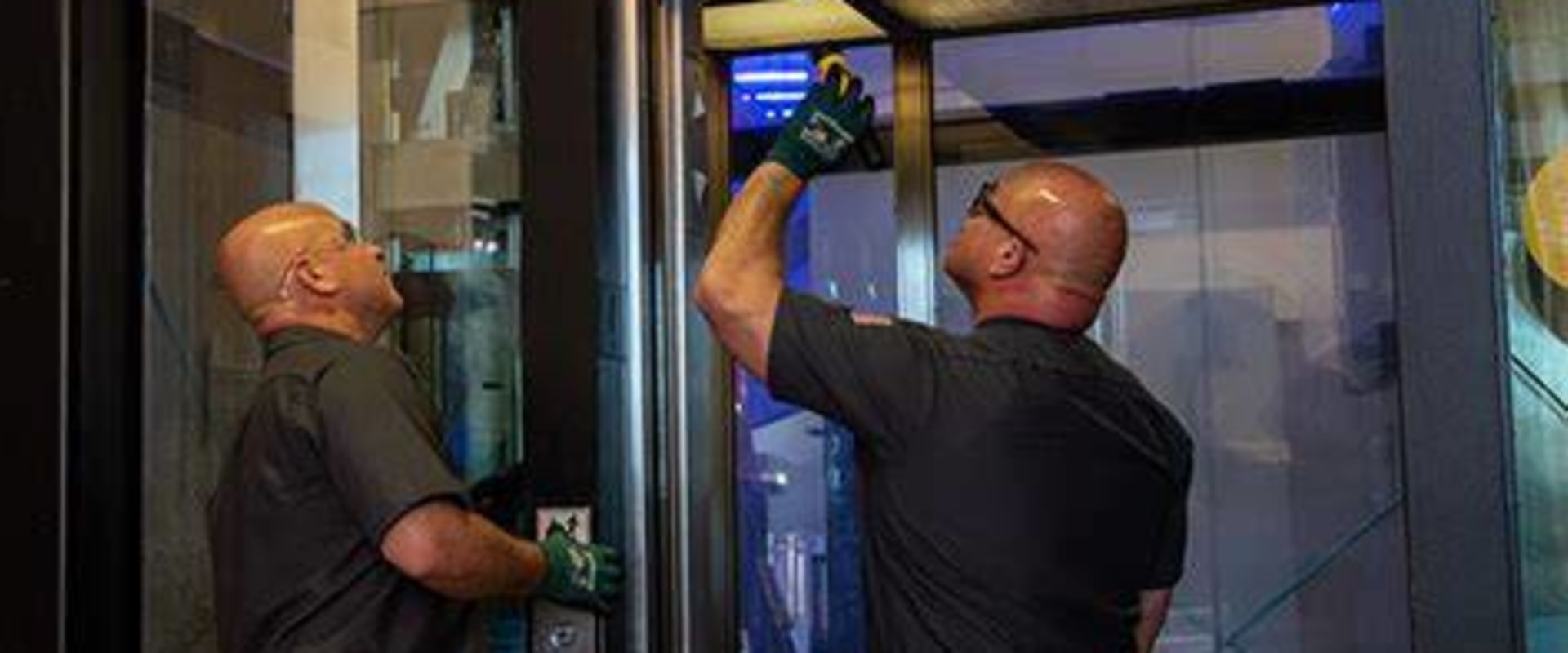
Elevators are a crucial component of modern buildings, providing essential access and convenience for occupants. However, the importance of elevator maintenance cannot be overstated. Regular maintenance not only ensures the smooth operation of these systems but also plays a vital role in ensuring the safety of all users. Neglecting maintenance can lead to malfunctions, which may result in accidents or injuries, making it imperative for building managers and owners to prioritize this aspect of facility management. As we delve deeper into the topic, it becomes clear that various factors influence the effectiveness of elevator maintenance, with weather being a significant one.
Extreme temperatures, humidity, and precipitation can all impact the mechanical and electrical components of elevators. For instance, cold weather can cause lubricants to thicken, while excessive moisture can lead to corrosion and electrical failures. Understanding how these weather conditions affect elevator systems is essential for implementing proactive maintenance strategies that enhance both functionality and safety. In this article, we will explore the intricate relationship between elevator maintenance and weather conditions. By examining how different climates affect elevator performance and reliability, we aim to equip building managers with the knowledge needed to maintain safe and efficient elevator systems year-round.
This understanding is not just about compliance; it’s about safeguarding lives and ensuring that elevators remain a reliable means of transportation within our buildings.
How Weather Conditions Affect Elevator Components
Weather conditions can significantly impact the performance and longevity of elevator components, leading to various elevator maintenance issues. Understanding how different weather elements affect these systems is crucial for ensuring their reliability and safety.Effects of Rain and Humidity
Excess moisture from rain and high humidity can lead to corrosion in metal components such as cables and pulleys. This corrosion can weaken the structural integrity of these parts, increasing the risk of failure. Additionally, moisture can infiltrate electrical systems, causing short circuits or malfunctions in the control systems.Regular inspections during rainy seasons are essential to identify and address these issues before they escalate.
Impact of Snow and Ice
Snow accumulation can create additional weight on elevator systems, particularly in outdoor installations. Ice can form on tracks and doors, leading to operational difficulties. The freezing temperatures can also affect hydraulic fluids, making them less effective. To mitigate these risks, it is advisable to implement a winter maintenance plan that includes clearing snow and ice from elevator entrances and ensuring that all components are rated for low temperatures.High Temperatures
Extreme heat can cause overheating in motors and other mechanical parts, leading to premature wear or failure.Lubricants may break down faster in high temperatures, necessitating more frequent elevator maintenance. It is important to monitor the temperature around elevator machinery rooms and ensure proper ventilation to prevent overheating.
Conclusion
In summary, various weather conditions pose unique challenges to elevator components. By understanding these effects and implementing proactive maintenance strategies, building managers can enhance the reliability of their elevators and reduce the likelihood of unexpected breakdowns.Seasonal Maintenance Considerations
Weather plays a crucial role in elevator maintenance, as seasonal changes can significantly impact the performance and safety of elevator systems. Understanding how to adapt maintenance practices for different seasons is essential for ensuring reliable operation.Winter Elevator Care
During the winter months, cold temperatures and icy conditions can pose unique challenges for elevators.Here are some key maintenance tasks to consider:
- Inspect and lubricate moving parts: Cold weather can cause lubricants to thicken, leading to increased friction. Regularly check and apply appropriate lubricants to ensure smooth operation.
- Check heating systems: Many elevators are equipped with heating elements to prevent freezing. Ensure these systems are functioning properly to avoid ice buildup in hoistways.
- Test emergency systems: Winter storms can lead to power outages. Regularly test backup power systems and emergency communication devices to ensure they are operational.
Summer Elevator Maintenance
As temperatures rise, the heat can also affect elevator performance.Here are some summer-specific maintenance considerations:
- Monitor cooling systems: Elevators may have cooling fans or systems that need regular checks to prevent overheating. Ensure these components are clean and functioning efficiently.
- Inspect for wear and tear: Increased usage during warmer months can lead to faster wear on components. Conduct thorough inspections of cables, pulleys, and other critical parts.
- Clean the elevator shaft: Dust and debris can accumulate more quickly in summer. Regular cleaning of the elevator shaft helps maintain optimal performance and safety.
Common Weather-Related Elevator Issues
Weather conditions can significantly impact elevator maintenance, leading to various operational issues.Understanding these common weather-related problems is essential for ensuring the safety and reliability of elevator systems.
- Malfunctioning Doors: Extreme temperatures can cause elevator doors to become misaligned or fail to open and close properly. In cold weather, lubricants may thicken, leading to sluggish door operation. Regularly checking and maintaining door mechanisms can help prevent these issues.
- Overheating Systems: In hot weather, elevator motors and control systems may overheat, resulting in shutdowns or erratic behavior. Ensuring proper ventilation and cooling systems are in place is crucial for maintaining optimal performance.
- Water Damage: Heavy rain or flooding can lead to water ingress in elevator shafts, potentially damaging electrical components.
Installing proper drainage systems and regularly inspecting for leaks can mitigate this risk.
- Ice Formation: In colder climates, ice can form on the elevator tracks or within the machinery, causing operational delays or complete failures. Regular inspections during winter months are vital to identify and address ice buildup.
- Regular Inspections: Schedule routine maintenance checks, especially before seasonal changes, to identify potential problems early.
- Temperature Control: Ensure that the elevator's mechanical components are rated for the temperature extremes they may encounter.
- Emergency Protocols: Establish clear procedures for handling elevator malfunctions during adverse weather conditions to ensure passenger safety.
Preventative Measures for Weather-Related Maintenance
To ensure optimal elevator maintenance and minimize the impact of adverse weather conditions, building owners and maintenance teams should implement a series of preventative measures. These strategies not only enhance the longevity of elevators but also ensure safety and reliability for users.- Regular Inspections: Schedule routine inspections to identify potential issues before they escalate. Pay special attention to components that are sensitive to temperature fluctuations, such as cables and pulleys.
- Weatherproofing: Invest in weatherproofing elevators by sealing gaps and ensuring that all entry points are protected from moisture.
This can prevent rust and corrosion, which are common in humid or rainy conditions.
- Drainage Systems: Ensure that elevator pits have proper drainage systems in place. This will help prevent water accumulation during heavy rains, which can lead to electrical failures or mechanical damage.
- Temperature Control: Maintain a stable temperature in elevator shafts and machine rooms. Installing climate control systems can help mitigate the effects of extreme heat or cold, protecting sensitive equipment.
- Lubrication: Regularly lubricate moving parts with weather-resistant lubricants. This is crucial during seasonal changes when temperatures fluctuate significantly, as it helps maintain smooth operation.
For instance, during winter months, extra attention should be given to ice buildup around doors and thresholds. By proactively addressing these concerns, building owners can significantly reduce the risk of weather-related elevator malfunctions.Finally, consider developing a comprehensive maintenance plan that includes seasonal checklists tailored to local weather patterns. This approach ensures that all necessary precautions are taken at the right times, ultimately leading to safer and more reliable elevator systems.
The Role of Technology in Elevator Maintenance Amid Weather Changes
In today's rapidly evolving technological landscape, elevator maintenance has significantly benefited from advancements that allow for more efficient and effective monitoring, especially in response to varying weather conditions. The integration of smart elevators equipped with advanced sensors and monitoring systems plays a crucial role in ensuring safety and reliability.Smart sensors
installed in elevators can detect changes in temperature, humidity, and even pressure.These sensors provide real-time data that can alert maintenance teams to potential issues before they escalate. For instance, during extreme weather events such as heavy rain or snow, these sensors can monitor the elevator's performance and identify any irregularities that may arise due to environmental stressors.Moreover, the implementation of predictive maintenance tools allows for a proactive approach to elevator upkeep. By analyzing data collected from smart sensors, maintenance teams can predict when components are likely to fail or require servicing. This not only minimizes downtime but also extends the lifespan of the elevator system.
- Remote Monitoring: Many modern elevators come with remote monitoring capabilities, enabling technicians to assess performance from anywhere.
This is particularly useful during adverse weather conditions when physical inspections may be challenging.
- Data Analytics: Advanced analytics tools can process vast amounts of data collected from elevators, helping identify patterns related to weather impacts on performance.
- Automated Alerts: Maintenance teams receive automated alerts when sensors detect anomalies, allowing for immediate action to be taken before a minor issue becomes a major problem.
FAQs About Weather and Elevator Maintenance
When it comes to elevator maintenance, understanding the impact of weather conditions is crucial for ensuring safety and reliability. Here are some frequently asked questions that address common concerns:- How does extreme heat affect elevators?
Extreme heat can cause the metal components of elevators to expand, potentially leading to misalignment and operational issues. Regular maintenance checks during hot months can help identify and rectify these problems before they escalate. - What about cold weather?
Cold temperatures can lead to the contraction of materials, which may affect the performance of elevator cables and pulleys.Additionally, lubricants used in the machinery can thicken, making it essential to use weather-appropriate lubricants during winter months.
- How does humidity impact elevator systems?
High humidity levels can lead to moisture accumulation in elevator shafts, which may cause rust and corrosion over time. Ensuring proper ventilation and regular inspections can mitigate these risks. - Are there specific maintenance tasks for different seasons?
Yes, seasonal maintenance tasks should be tailored to address weather-related issues. For instance, checking seals and insulation before winter can prevent cold drafts, while ensuring drainage systems are clear before heavy rains is vital in spring. - What signs indicate weather-related elevator issues?
Common signs include unusual noises, slow operation, or doors that do not close properly. If you notice any of these symptoms, it’s important to contact a professional for an inspection.
Conclusion: Ensuring Safe and Efficient Elevator Operation Year-Round
In conclusion, understanding the impact of weather on elevator maintenance is crucial for ensuring the safety and efficiency of elevator systems throughout the year.As we have discussed, various weather conditions can significantly affect the performance and longevity of elevators, making regular maintenance even more essential. During extreme temperatures, whether hot or cold, the materials and components of elevators can expand or contract, leading to potential malfunctions. For instance, lubricants may thicken in cold weather, causing increased friction and wear on moving parts. Conversely, high temperatures can lead to overheating of electrical components. Therefore, it is vital to schedule elevator maintenance checks before the onset of seasonal changes. Moreover, moisture from rain or snow can lead to corrosion and electrical issues if not properly managed.
Regular inspections can help identify vulnerabilities in the system that may be exacerbated by weather conditions. Implementing a proactive maintenance schedule that accounts for seasonal variations will not only enhance safety but also improve operational efficiency. To summarize:
- Regular inspections are essential to identify weather-related wear and tear.
- Seasonal maintenance should be tailored to address specific weather challenges.
- Investing in quality materials and components can mitigate weather-related issues.


