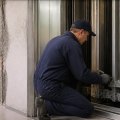
Elevators are a vital component of modern buildings, providing essential access and convenience for occupants. However, the significance of elevator maintenance often goes unnoticed until a malfunction occurs. Regular maintenance is not just a matter of keeping the machinery running; it is crucial for ensuring the safety of users and the longevity of the equipment. Neglecting this aspect can lead to serious safety hazards, costly repairs, and even legal liabilities. Understanding the importance of maintaining elevators extends beyond mere functionality.
Well-maintained elevators operate more efficiently, reducing energy consumption and minimizing operational costs. This efficiency translates into a better experience for users, as they can rely on elevators to function smoothly without unexpected delays. Furthermore, regular inspections and maintenance help identify potential issues before they escalate into major problems, thereby enhancing overall elevator safety.In addition to safety and efficiency, consistent maintenance contributes to the longevity of elevator systems. Just like any other mechanical system, elevators require routine checks and servicing to prevent wear and tear.
By investing in regular maintenance, building owners can extend the lifespan of their elevators, ultimately saving money in the long run. In summary, prioritizing elevator maintenance is essential for ensuring safety, enhancing efficiency, and prolonging the life of this critical infrastructure.
Recommended Maintenance Frequency for Elevators
When it comes to elevator maintenance, establishing a regular maintenance schedule is crucial for ensuring safety, reliability, and longevity. The frequency of maintenance can vary based on several factors, including the type of elevator, its usage, and local regulations.General Recommendations- Monthly Inspections: For elevators that experience heavy usage, such as those in commercial buildings, a monthly inspection is recommended. This includes checking the mechanical components, safety systems, and overall functionality.
- Quarterly Maintenance: Elevators in residential buildings or those with moderate traffic should undergo maintenance every three months.
This schedule allows for thorough checks of the elevator's performance and safety features.
- Annual Comprehensive Service: An in-depth inspection and service should be conducted at least once a year. This includes testing emergency systems, inspecting cables and pulleys, and ensuring compliance with safety standards.
- Usage Patterns: Elevators that are used more frequently will require more regular maintenance to address wear and tear.
- Type of Elevator: Different types of elevators (hydraulic, traction, etc.) may have varying maintenance needs.
- Environmental Conditions: Elevators located in harsh environments may need more frequent checks to ensure they operate safely.
Factors Influencing Elevator Maintenance Frequency
When considering elevator maintenance, several key factors can significantly influence how often an elevator should be serviced. Understanding these factors is crucial for ensuring the safety and efficiency of the elevator system.Usage Patterns
The frequency of elevator maintenance is heavily impacted by the usage patterns of the elevator.Elevators in high-traffic areas, such as commercial buildings or residential complexes with many floors, experience more wear and tear compared to those in low-traffic environments. For instance, an elevator that serves a busy office building may require monthly inspections and maintenance, while one in a small residential building might only need servicing every six months.
Building Type
The type of building also plays a significant role in determining maintenance frequency.Commercial buildings
, which often have larger elevators designed to accommodate freight or numerous passengers, may necessitate more frequent checks due to their operational demands. In contrast, residential buildings may have less rigorous maintenance schedules.Additionally, specialized buildings like hospitals or hotels may require tailored maintenance plans to ensure compliance with safety regulations and operational efficiency.
Environmental Conditions
Environmental factors can further influence elevator maintenance. Elevators located in areas with extreme weather conditions, such as high humidity or temperature fluctuations, may require more frequent inspections to prevent corrosion and mechanical failures. Dusty or industrial environments can also lead to quicker degradation of elevator components, necessitating a more proactive maintenance approach.In summary, understanding the interplay between usage patterns, building type, and environmental conditions is essential for establishing an effective elevator maintenance schedule. By tailoring maintenance plans to these factors, building owners can enhance safety, prolong the lifespan of their elevators, and ensure smooth operation for all users.Types of Elevator Maintenance Services
When it comes to elevator maintenance, understanding the different types of services available is crucial for ensuring the safety and efficiency of your elevator system.The two primary categories of maintenance are preventive and corrective maintenance.
Preventive Maintenance
Preventive maintenance is a proactive approach designed to prevent potential issues before they arise. This type of service typically includes regular inspections, cleaning, lubrication, and adjustments to various components of the elevator system. By adhering to a scheduled maintenance plan, building owners can:- Extend the lifespan of the elevator.
- Reduce the likelihood of unexpected breakdowns.
- Ensure compliance with safety regulations.
Corrective Maintenance
Corrective maintenance, on the other hand, is reactive. It occurs after a malfunction or failure has been identified.This type of service aims to restore the elevator to its operational state as quickly as possible. While it may seem more straightforward, relying solely on corrective maintenance can lead to:
- Increased downtime.
- Higher repair costs.
- Potential safety hazards for users.
Elevator Inspection Services
A critical aspect of both preventive and corrective maintenance is regular elevator inspection services. These inspections are typically mandated by local regulations and are essential for identifying any potential safety concerns. During an inspection, qualified technicians will assess:- The overall condition of the elevator.
- The functionality of safety devices.
- The compliance with industry standards.
Signs Your Elevator Needs Immediate Maintenance
Regular elevator maintenance is crucial for ensuring safety and efficiency.However, there are specific signs that indicate your elevator may need immediate attention. Recognizing these signs can prevent accidents and costly repairs.
- Unusual Noises: If you hear grinding, squeaking, or banging sounds when the elevator is in operation, it could indicate mechanical issues that require prompt inspection.
- Inconsistent Performance: An elevator that frequently stops between floors or takes longer than usual to respond may have underlying problems that need to be addressed.
- Door Malfunctions: If the doors do not open or close properly, or if they take an unusually long time to do so, this could pose a safety risk and should be evaluated immediately.
- Vibration or Shaking: Excessive vibration or shaking during operation can signal serious mechanical issues. This is a clear sign that you should call for elevator service.
- Emergency Alarm Activation: If the emergency alarm goes off without cause, it may indicate a malfunction in the system that requires urgent attention.
Regular inspections and timely repairs are key to maintaining a safe and functional elevator system.
Cost Considerations for Elevator Maintenance
When it comes to elevator maintenance, understanding the associated costs is crucial for building owners and facility managers. Regular maintenance not only ensures the safety and reliability of the elevator but also plays a significant role in budgeting for its care.Elevator maintenance costs
can vary widely based on several factors, including the type of elevator, its age, and the frequency of service. On average, routine maintenance can range from $100 to $500 per month. This typically includes inspections, minor repairs, and adjustments necessary to keep the elevator functioning optimally.In addition to regular service fees, it’s essential to consider the costs of parts and labor for any unexpected repairs.For instance, if a major component like the motor or control system fails, repair costs can escalate quickly, often reaching thousands of dollars. Therefore, budgeting for elevator care should include a contingency fund for these unforeseen expenses.Neglecting elevator maintenance can lead to significant financial implications. The cost of inaction can manifest in various ways:
- Increased Repair Costs: Minor issues can develop into major problems if not addressed promptly, leading to higher repair bills.
- Downtime: An elevator out of service can disrupt building operations and lead to lost revenue, especially in commercial settings.
- Legal Liabilities: Failing to maintain an elevator can result in accidents, which may lead to legal claims and increased insurance premiums.
FAQs About Elevator Maintenance Frequency
When it comes to elevator maintenance, many property owners have questions about how often their elevators should be serviced.Here are some frequently asked questions that can help clarify maintenance frequency:
How often should elevators be inspected?
Elevators should typically undergo a thorough inspection at least once a year. However, depending on the usage and type of elevator, more frequent inspections may be necessary. For instance, elevators in high-traffic areas may require biannual inspections to ensure safety and reliability.What are the signs that my elevator needs maintenance?
- Unusual noises: Grinding, squeaking, or banging sounds can indicate mechanical issues.
- Inconsistent performance: If the elevator is slow to respond or stops unexpectedly, it may need immediate attention.
- Door malfunctions: Doors that do not open or close properly can pose safety risks and should be checked.
Can I perform maintenance myself?
While some minor upkeep tasks, such as cleaning the elevator's interior, can be done by building staff, professional maintenance is essential for safety and compliance with regulations. Only certified technicians should handle repairs and inspections to ensure that all components are functioning correctly.What is included in regular elevator maintenance?
A standard elevator maintenance service typically includes:- Inspection of mechanical components
- Lubrication of moving parts
- Testing of safety features
- Cleaning of the machine room and hoistway
Conclusion: Ensuring Safe and Efficient Elevator Operation
In conclusion, elevator maintenance is not just a regulatory requirement; it is a critical component of ensuring the safety and efficiency of vertical transportation systems.Regular maintenance helps to identify potential issues before they escalate into serious problems, thereby minimizing downtime and repair costs.Throughout this article, we have discussed the various aspects of elevator maintenance, including:
- The importance of adhering to a scheduled maintenance plan.
- Key components that require regular inspection, such as cables, pulleys, and control systems.
- The role of certified professionals in conducting thorough evaluations and repairs.
- The impact of well-maintained elevators on building safety and tenant satisfaction.
Therefore, it is essential for all stakeholders to recognize the value of maintaining their elevators diligently.