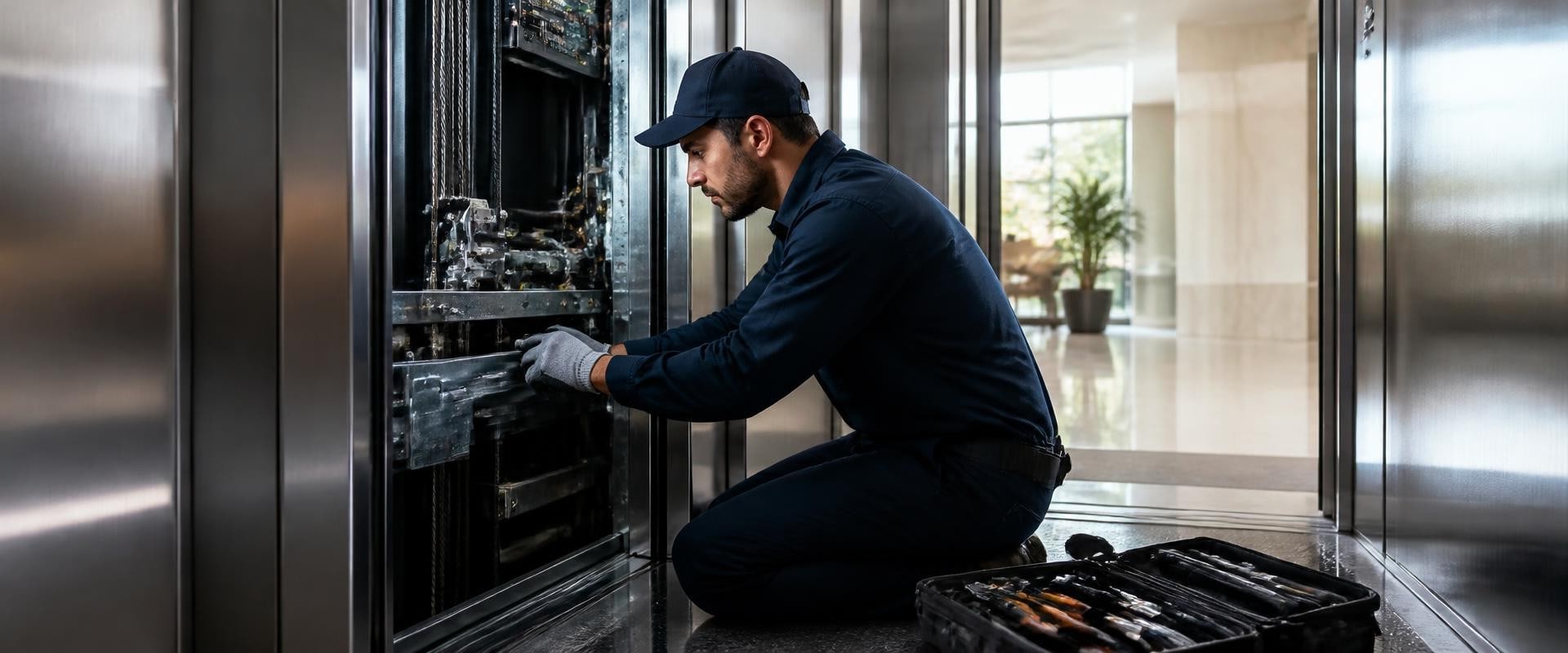
Elevators play an essential role in modern buildings, providing convenient and efficient transportation between floors. Whether installed in residential complexes, commercial properties, hospitals, or office buildings, elevators must operate reliably to accommodate daily activities. Regular maintenance helps ensure these systems remain safe, functional, and efficient throughout their service life. Without proper inspections and servicing, elevators may develop mechanical issues, electrical malfunctions, and performance problems that disrupt building operations. Establishing a consistent maintenance schedule allows property managers to identify potential concerns before they escalate into costly repairs or unexpected breakdowns. Preventive maintenance also contributes to passenger comfort and overall building accessibility.
Enhancing Passenger Safety Through Regular Inspections
Passenger safety is one of the primary reasons for maintaining elevators consistently. These systems contain numerous mechanical and electrical components that must function together correctly. Routine inspections help technicians evaluate door mechanisms, braking systems, emergency communication devices, and safety sensors. Identifying worn components or malfunctioning equipment early reduces the likelihood of unexpected failures. Qualified elevator technicians can also verify that essential safety features operate according to manufacturer specifications and applicable regulations. Regular testing and maintenance provide building occupants with greater confidence while helping property owners maintain safer transportation systems.
Preventing Electrical Problems and Equipment Failures
Electrical systems are essential to elevator performance, controlling motors, lighting, communication equipment, and operational functions. Faulty wiring, damaged connections, or malfunctioning control components can interfere with elevator reliability. Regular maintenance allows qualified professionals to inspect electrical equipment and identify potential problems before they cause significant disruptions. When building electrical infrastructure requires additional attention, professionals experienced in services such as an Electrician in Mebane may assist with related electrical concerns within their qualifications. Elevator-specific electrical repairs and adjustments should be performed by properly qualified elevator technicians. Coordinating these services supports reliable operation while maintaining appropriate safety standards.
Reducing Downtime and Unexpected Repair Expenses
Unexpected elevator breakdowns can inconvenience occupants, interrupt business activities, and create accessibility challenges. Preventive maintenance helps minimize these disruptions by addressing minor issues before they become major mechanical or electrical failures. Technicians can lubricate moving components, replace worn parts, adjust operational settings, and monitor equipment performance during scheduled service visits. These activities help maintain smoother operation and reduce unnecessary strain on critical components. Property managers who prioritize preventive servicing may experience fewer emergency repair situations and improved maintenance budget predictability. Consistent upkeep also allows building operators to schedule necessary repairs during less disruptive periods.
Extending Elevator Lifespan and Improving Efficiency
Elevators represent significant investments, making equipment longevity an important consideration for property owners. Routine maintenance helps protect these investments by reducing premature wear and supporting efficient system performance. Properly maintained motors, cables, doors, and control systems can operate more effectively while minimizing unnecessary energy consumption. Technicians may also recommend equipment upgrades that improve reliability, accessibility, and operational efficiency. Maintaining accurate service records helps property managers evaluate equipment condition and make informed decisions about modernization or replacement.
Supporting Compliance and Building Management
Regular elevator maintenance helps building owners meet applicable inspection requirements, safety standards, and operational responsibilities. Documented inspections and professional servicing demonstrate a commitment to safe building management. Maintenance records also provide valuable information for identifying recurring issues and planning future improvements.
Maintaining Reliable Operations Through Preventive Care
A comprehensive elevator maintenance program supports passenger safety, operational efficiency, and long-term equipment reliability. By scheduling inspections, addressing technical concerns promptly, and working with qualified professionals, property managers can reduce disruptions and maintain dependable elevator performance. Consistent preventive care ultimately contributes to safer, more accessible, and efficiently managed buildings.


