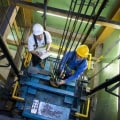
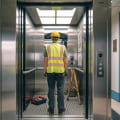
When it comes to elevator maintenance, many people hold onto misconceptions that can lead to serious safety risks and inefficiencies. Understanding these myths is crucial for building owners, facility managers, and even everyday users who rely on elevators for convenience and accessibility. Misunderstandings about how often elevators need servicing, what maintenance entails, and the implications of neglecting upkeep can create a false sense of security. One common myth is that elevators are self-sufficient and require little to no maintenance once installed. In reality, regular elevator upkeep is essential to ensure the safety of passengers and the longevity of the equipment.
Neglecting routine checks can lead to unexpected breakdowns, which not only disrupt service but can also pose significant safety hazards. Furthermore, some believe that all maintenance tasks are the same across different elevator types, which is far from the truth. Each system has unique requirements that must be addressed by trained professionals. As we delve deeper into this topic, it’s important to dispel these myths and provide accurate information about elevator maintenance. By doing so, we can promote a better understanding of the importance of regular inspections and timely repairs, ultimately ensuring safer and more efficient elevator operations for everyone involved.
Misconception 1: Elevators Don't Need Regular Maintenance
One of the most prevalent misconceptions about elevator maintenance is the belief that elevators are self-sufficient and do not require regular upkeep.This notion can lead to serious safety risks and operational inefficiencies. In reality, elevators are complex machines that rely on a variety of components working in harmony. Without regular maintenance, these components can wear down, leading to potential malfunctions.According to the U.S. Bureau of Labor Statistics, elevators are involved in approximately 30,000 accidents each year, many of which could be prevented with proper maintenance.
Regular inspections and servicing are crucial for ensuring that elevators operate safely and efficiently. Neglecting elevator maintenance can result in not only safety hazards but also costly repairs down the line.
Importance of Regular Maintenance
- Safety: Regular maintenance helps identify and rectify issues before they escalate into dangerous situations.
- Reliability: Consistent upkeep ensures that elevators function smoothly, reducing downtime and improving user experience.
- Cost-Effectiveness: Preventative maintenance can save building owners significant amounts by avoiding major repairs and legal liabilities.
By prioritizing routine checks and servicing, building owners can ensure the safety of their occupants while also maintaining the efficiency and reliability of their elevator systems.
Misconception 2: All Elevator Maintenance is the Same
One of the most prevalent misconceptions about elevator maintenance is that all elevators require the same type of care. In reality, the maintenance needs can vary significantly based on the type of elevator and its specific operational environment.Types of Elevators
- Hydraulic Elevators: These elevators use a hydraulic system to lift and lower the cab. They typically require regular checks on the hydraulic fluid levels and seals to prevent leaks.
- Traction Elevators: Utilizing a system of pulleys and cables, traction elevators need frequent inspections of their cables and sheaves to ensure safety and efficiency.
- Pneumatic Elevators: These elevators operate using air pressure and require unique maintenance protocols, including checks on the air compressor and seals.
This distinction is crucial for ensuring that each elevator operates safely and efficiently.
Elevator Service Differences
Moreover, the frequency and type of service required can differ based on usage. An elevator in a high-traffic commercial building will have different maintenance needs compared to one in a residential setting. Regular wear and tear from heavy use can lead to more frequent inspections and repairs.Specialized Elevator Care
Additionally, some elevators may have advanced technology or features that require specialized knowledge for maintenance. For example, elevators equipped with smart technology may need software updates and diagnostics that traditional systems do not require.Therefore, it is essential to engage with a qualified service provider who understands the specific requirements of your elevator type.In conclusion, recognizing that not all elevator maintenance is the same is vital for ensuring safety and longevity. Tailoring maintenance practices to the specific type of elevator can prevent costly repairs and enhance operational efficiency.
Misconception 3: DIY Maintenance is Sufficient
One of the most prevalent misconceptions about elevator maintenance is the belief that DIY maintenance is sufficient to keep elevators running smoothly. While it may seem tempting to save costs by handling minor issues yourself, this approach can lead to significant risks and complications.Understanding the Risks of DIY Maintenance
- Safety Hazards: Elevators are complex systems that require specialized knowledge to maintain. Attempting to fix issues without proper training can result in dangerous situations, not only for the person performing the maintenance but also for users of the elevator.
- Inadequate Repairs: Without a thorough understanding of elevator mechanics, DIY repairs may not address the root cause of a problem.
This can lead to recurring issues that escalate over time, resulting in more extensive and costly repairs.
- Legal and Compliance Issues: Elevators must adhere to strict safety regulations and codes. DIY maintenance can violate these standards, potentially leading to legal repercussions and increased liability for building owners.
The Importance of Professional Elevator Service
Engaging a professional elevator service provider ensures that maintenance is performed by trained technicians who understand the intricacies of elevator systems. These professionals are equipped with the right tools and knowledge to:
- Identify potential issues before they become serious problems.
- Perform routine inspections and necessary repairs in compliance with safety regulations.
- Provide documentation and certification that may be required for insurance or legal purposes.
Misconception 4: Elevator Maintenance is Too Expensive
One of the most prevalent misconceptions about elevator maintenance is that it is prohibitively expensive.While it’s true that there are costs associated with maintaining an elevator, the long-term savings and benefits far outweigh these initial expenses.Many building owners may hesitate to budget for elevator upkeep, fearing that regular maintenance will strain their finances. However, neglecting this essential service can lead to much higher costs down the line. Here are a few reasons why investing in regular maintenance is not only wise but also cost-effective:
- Preventative Care: Regular maintenance helps identify potential issues before they escalate into major problems. For instance, a small repair can often be addressed during routine checks, preventing a costly breakdown that could require extensive repairs or even a complete replacement.
- Increased Lifespan: Elevators that receive consistent care tend to have a longer operational life.
This means that the initial investment in maintenance can extend the time before a new elevator is needed, ultimately saving money.
- Improved Efficiency: Well-maintained elevators operate more efficiently, which can lead to lower energy costs. An elevator that runs smoothly consumes less power, contributing to reduced utility bills.
Misconception 5: New Elevators Don't Need Maintenance Right Away
One of the most prevalent misconceptions about elevator maintenance is the belief that newly installed elevators do not require immediate maintenance.This notion can lead to significant issues down the line, as even the latest models need regular checks and care right from the start.
New Elevator Maintenance Needs
- Initial Setup Checks: After installation, it’s crucial to conduct thorough inspections to ensure that all components are functioning correctly. This includes checking the electrical systems, safety features, and mechanical parts.
- Break-in Period: New elevators often have a break-in period where components may settle or adjust. During this time, monitoring performance is essential to catch any potential issues early.
- Manufacturer Recommendations: Most manufacturers provide specific guidelines for maintenance schedules that should be followed even for new installations.
Immediate Care for New Elevators
Establishing a maintenance routine early on is vital. Regular inspections help identify any irregularities that could lead to more significant problems if left unaddressed.
This proactive approach not only ensures safety but also enhances the longevity of the elevator.
Elevator Warranty Considerations
Another critical aspect to consider is how maintenance affects warranty coverage. Many warranties stipulate that regular maintenance must be performed by certified professionals to remain valid. Failing to adhere to these requirements can void the warranty, leaving building owners responsible for costly repairs.In conclusion, new elevators require immediate and ongoing maintenance. By understanding this necessity, building owners can avoid common pitfalls and ensure their elevators operate safely and efficiently from day one.
Common Questions About Elevator Maintenance Misconceptions
When it comes to elevator maintenance, several misconceptions can lead to confusion and potentially unsafe situations.Here are some common questions that arise regarding elevator upkeep:
- Is elevator maintenance only necessary when something goes wrong?
Many people believe that elevator maintenance is only required when an elevator shows signs of malfunction. In reality, regular maintenance is crucial to prevent issues before they arise. Scheduled inspections and servicing can help identify wear and tear, ensuring the elevator operates smoothly and safely. - Can I perform elevator maintenance myself?
Some individuals think they can handle basic maintenance tasks on their own. However, elevator maintenance should always be performed by qualified professionals.Elevators are complex systems that require specialized knowledge and tools to ensure safety and compliance with regulations.
- How often should elevators be serviced?
A common misconception is that elevators only need servicing once a year. The frequency of elevator maintenance depends on usage, but most experts recommend at least biannual inspections. High-traffic elevators may require more frequent checks to maintain optimal performance. - Are all elevator maintenance companies the same?
Not all service providers offer the same level of expertise or quality. It’s essential to choose a reputable company with experience in elevator maintenance.Look for certifications, customer reviews, and a solid track record in the industry.
Conclusion: The Importance of Accurate Elevator Maintenance Knowledge
In conclusion, understanding the misconceptions about elevator maintenance is crucial for ensuring both safety and efficiency in building operations. As we have explored, many people believe that elevators require minimal attention once installed, or that they are self-sufficient. However, this could not be further from the truth. Regular maintenance is essential to prevent unexpected breakdowns and to extend the lifespan of the equipment.Moreover, the idea that all maintenance tasks can be performed by untrained personnel is a dangerous misconception.Only certified professionals should handle elevator maintenance, as they possess the necessary skills and knowledge to identify potential issues before they escalate into serious problems.Additionally, some may think that elevator maintenance is merely a legal requirement without real benefits. In reality, routine inspections and servicing not only comply with safety regulations but also enhance user experience by ensuring smooth operation and reducing wait times.To summarize, dispelling these myths is vital for building owners, facility managers, and users alike. By prioritizing accurate knowledge about elevator maintenance, stakeholders can make informed decisions that promote safety, reliability, and efficiency in their vertical transportation systems.Ultimately, fostering a culture of awareness around elevator maintenance will lead to safer environments and more efficient operations, benefiting everyone involved.