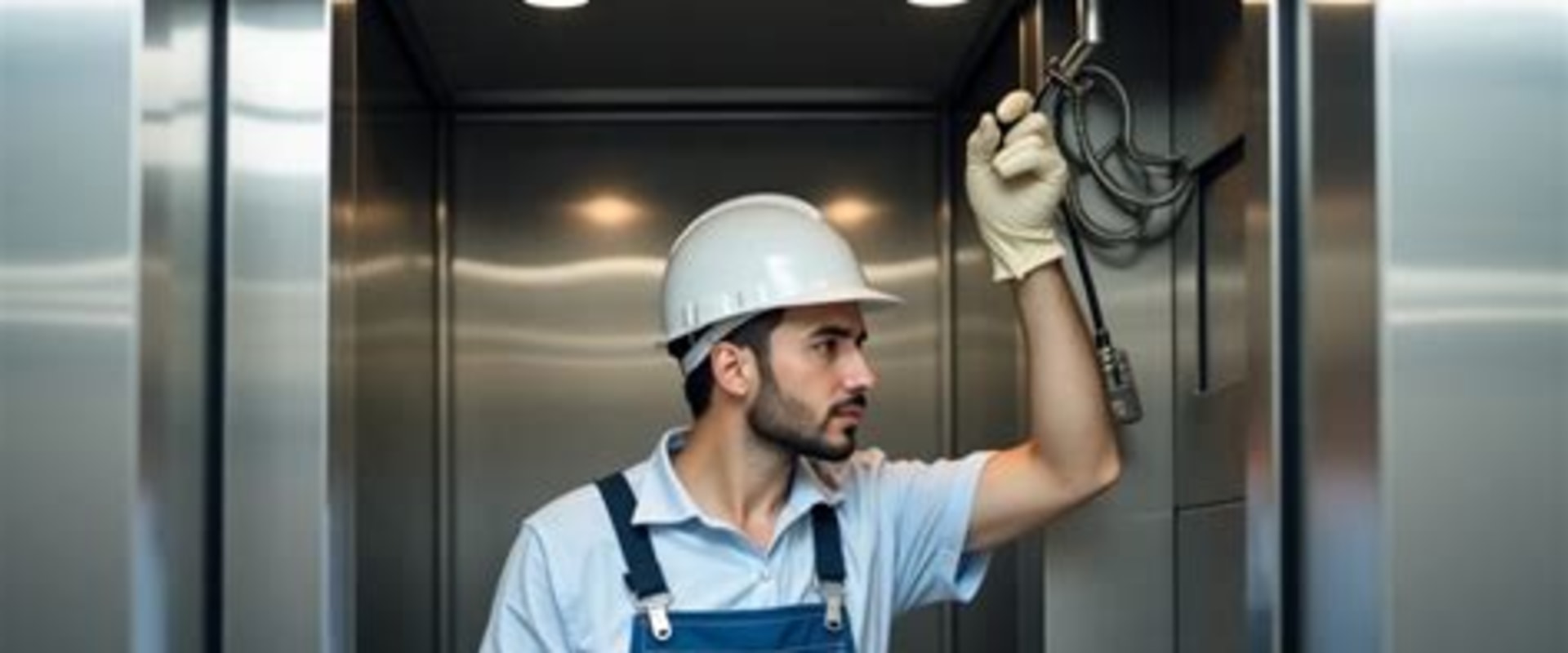
Elevator maintenance is a critical aspect of building management that often goes unnoticed until a problem arises. Regular upkeep not only ensures the safety of passengers but also enhances the efficiency and longevity of the elevator system. With elevators being a vital mode of transportation in high-rise buildings, understanding the importance of consistent maintenance can prevent costly repairs and potential accidents. Neglecting elevator maintenance can lead to a range of issues, from minor inconveniences like delays to serious safety hazards. Regular inspections and servicing help identify wear and tear before they escalate into major problems.
This proactive approach not only safeguards the well-being of users but also complies with local regulations and standards, which often mandate routine checks. Moreover, maintaining an elevator contributes to its operational efficiency. A well-maintained elevator operates smoothly, reducing energy consumption and minimizing noise levels. This not only enhances the user experience but also reflects positively on the building's overall image. In the following sections, we will delve deeper into the specific components that require regular attention, ensuring that your elevator remains safe, efficient, and reliable.
The Importance of Regular Elevator Maintenance
Regular elevator maintenance is crucial for several reasons, primarily revolving around safety, compliance, and cost-effectiveness.Elevators are complex systems that require consistent attention to ensure they operate smoothly and safely. One of the most significant reasons for maintaining elevators is safety. Faulty elevators can pose serious risks to passengers, including accidents and injuries. Regular inspections and maintenance help identify potential issues before they escalate into dangerous situations. For instance, worn-out cables or malfunctioning brakes can lead to catastrophic failures if not addressed promptly. In addition to safety, compliance with regulations is another critical aspect of elevator maintenance.
Many jurisdictions have strict codes and regulations governing elevator operation. Regular maintenance ensures that elevators meet these standards, helping building owners avoid hefty fines and legal liabilities. Compliance also enhances the building's reputation, as tenants and visitors feel more secure in a well-maintained environment. Furthermore, investing in regular elevator maintenance can be cost-effective. While it may seem like an added expense, routine checks can prevent costly repairs down the line.
By addressing minor issues early, building owners can avoid major breakdowns that require extensive repairs or even complete replacements of elevator systems. This proactive approach not only saves money but also minimizes downtime, ensuring that elevators remain operational for tenants and visitors. In summary, the importance of regular elevator maintenance cannot be overstated. It safeguards the well-being of passengers, ensures compliance with legal standards, and proves to be a financially sound investment for building owners.
Key Components of Elevators Requiring Regular Maintenance
Regular elevator maintenance is crucial for ensuring safety, reliability, and efficiency. Several key components of an elevator require consistent upkeep to function optimally.Below are the essential parts that should be regularly inspected and maintained:
- Hoisting Mechanism: The hoisting mechanism, which includes the motor and pulleys, is responsible for moving the elevator car. Regular checks for wear and tear, lubrication of moving parts, and alignment adjustments are necessary to prevent breakdowns.
- Control System: The control system manages the elevator's operations, including its speed and direction. Routine diagnostics and software updates are essential to ensure that the control system functions correctly and responds promptly to user commands.
- Safety Devices: Safety devices such as brakes, emergency stop buttons, and door sensors are critical for passenger safety. These components should be tested regularly to ensure they engage properly in emergencies.
- Cables and Ropes: The cables and ropes that support the elevator car must be inspected for fraying or damage.
Regular tension adjustments and replacements are necessary to maintain safety standards.
- Doors and Door Operators: Elevator doors must open and close smoothly to prevent accidents. Regular maintenance includes checking the door operators for proper function, lubricating hinges, and ensuring that safety sensors are operational.
1.Elevator Cables and Ropes
Maintaining elevator cables and ropes is crucial for ensuring the safety and efficiency of any elevator system. These components bear the weight of the elevator car and its passengers, making their upkeep a top priority.Inspection Frequency
Regular inspections of elevator cables and ropes should be conducted at least once every six months.
However, in high-traffic buildings or environments with heavy usage, more frequent inspections may be necessary. During these inspections, technicians look for signs of wear, fraying, or corrosion that could compromise the integrity of the cables.
Signs of Wear
- Fraying: Visible strands of wire that are broken or worn can indicate that the cable is nearing the end of its lifespan.
- Corrosion: Rust or other forms of corrosion can weaken cables and should be addressed immediately.
- Uneven Wear: If one section of a cable shows more wear than others, it may suggest improper alignment or installation issues.
- Noisy Operation: Unusual sounds during operation can signal problems with the cables or pulleys.
Cable Maintenance Tips
- Keep cables clean and free from debris to prevent unnecessary wear.
- Lubricate moving parts as recommended by the manufacturer to reduce friction.
- Monitor load limits to avoid overstraining the cables.
3.Braking Systems
The braking system of an elevator is a critical component that ensures the safety and reliability of the lift. Regular maintenance of this system is essential to prevent accidents and ensure smooth operation.The braking system typically consists of several key elements, including the brake pads, discs, and the control mechanism.
Importance of Brake Inspection
Routine brake inspections are vital for identifying wear and tear before they lead to significant issues. During these inspections, technicians should check:
- Brake Pads: Inspect for signs of wear and replace them if they are worn down to the manufacturer's specified limit.
- Brake Discs: Look for any warping or damage that could affect braking performance.
- Control Mechanism: Ensure that the electronic or mechanical controls are functioning correctly and respond promptly.
Safety Checks for Elevators
In addition to regular inspections, comprehensive safety checks should be performed on the braking system. These checks include:
- Emergency Braking Functionality: Test the emergency brakes to ensure they engage properly in case of a power failure.
- Load Testing: Conduct load tests to verify that the brakes can handle the maximum weight capacity safely.
- System Calibration: Regularly calibrate the braking system to maintain optimal performance and compliance with safety standards.
4.Doors and Door Operators
Elevator doors and their operators are critical components that require regular maintenance to ensure safe and efficient operation.Neglecting these elements can lead to malfunctions, safety hazards, and costly repairs.
Importance of Elevator Door Maintenance
The doors of an elevator serve as the first line of defense in ensuring passenger safety. They must open and close smoothly to prevent accidents such as entrapment or falls. Regular maintenance checks can help identify issues such as:- Misalignment: Doors that are not properly aligned can cause them to jam or fail to close completely.
- Wear and Tear: Over time, door components can wear out, leading to decreased functionality.
- Obstructions: Debris or foreign objects can hinder door operation, posing a safety risk.
Door Operator Checks
The door operator is responsible for the automatic opening and closing of the elevator doors. Regular checks should include:- Lubrication: Keeping moving parts well-lubricated reduces friction and wear.
- Electrical Connections: Inspecting wiring and connections ensures that the operator functions correctly.
- Testing Safety Features: Safety features such as door sensors must be tested regularly to ensure they are functioning properly.
Door Safety Features
Modern elevators are equipped with various safety features designed to protect passengers.These include:
- Door Sensors: These detect if an object is in the way of closing doors, preventing accidents.
- Emergency Release Mechanisms: In case of a malfunction, these allow for manual door operation.
- Interlocks: These ensure that the elevator cannot move unless the doors are fully closed.
5.Hydraulic Systems (for Hydraulic Elevators)
Hydraulic elevators operate using a system of fluid mechanics, which makes their maintenance crucial for ensuring smooth and safe operation. The hydraulic system consists of several key components that require regular checks to prevent malfunctions and extend the lifespan of the elevator.Key Components of Hydraulic Systems
- Hydraulic Fluid: The fluid used in hydraulic elevators is essential for their operation. Regularly checking the fluid levels is vital, as low fluid can lead to inadequate lifting power and potential system failure.
- Hydraulic Pump: This component generates the pressure needed to lift the elevator car.
Routine inspections should focus on the pump's performance, looking for signs of wear or leaks that could compromise its efficiency.
- Cylinders: The hydraulic cylinders are responsible for lifting the elevator car. Any signs of corrosion or damage should be addressed immediately, as they can lead to serious safety issues.
- Seals and Gaskets: These components prevent fluid leaks within the system. Regular checks for wear and tear can help avoid costly repairs and ensure optimal performance.
Common Issues in Hydraulic Elevator Maintenance
Neglecting hydraulic elevator maintenance can lead to several common issues:- Fluid Leaks: Leaks can occur due to worn seals or damaged hoses, leading to decreased performance and potential safety hazards.
- Poor Performance: Insufficient hydraulic fluid can result in slow or jerky movements, indicating that maintenance is needed.
- Noisy Operation: Unusual noises during operation may signal problems with the pump or other components, necessitating immediate attention.
6.Safety Devices and Alarms
Ensuring the safety of elevator passengers is paramount, and this is where elevator safety devices and alarms play a crucial role.Regular maintenance of these components is essential to guarantee their functionality during emergencies.
Key Safety Devices in Elevators
- Emergency Brakes: These are designed to stop the elevator in case of a malfunction. Regular checks should ensure they engage properly and are free from obstructions.
- Door Sensors: These prevent the doors from closing on passengers. Maintenance involves testing the sensors to confirm they respond correctly to obstructions.
- Safety Gears: These devices engage if the elevator descends too quickly. They must be inspected for wear and tear to ensure they function as intended.
Alarm Systems
The alarm system in an elevator is a critical feature that must be regularly tested.
This includes:
- Emergency Alarms: These should be checked to ensure they sound clearly and can be heard by both passengers and building personnel.
- Communication Systems: Many elevators are equipped with two-way communication systems that allow passengers to contact help in emergencies. Regular testing ensures these systems are operational.
Emergency Features
In addition to alarms, elevators often have emergency features such as backup power systems. These systems should be inspected regularly to ensure they activate during a power failure, allowing the elevator to return to a designated floor safely.In conclusion, regular maintenance of elevator safety devices and alarms is not just a regulatory requirement but a vital aspect of ensuring passenger safety. By prioritizing these checks, building owners can significantly reduce the risk of accidents and enhance the overall reliability of their elevators.
(Optional) FAQs About Elevator Maintenance
When it comes to elevator maintenance, many property owners have questions about the best practices and frequency of upkeep.Here are some of the most common inquiries:
How often should elevators be maintained?
The frequency of elevator maintenance largely depends on the type of elevator and its usage. Generally, it is recommended to schedule a comprehensive inspection at least once every six months. However, high-traffic elevators may require monthly checks to ensure optimal performance and safety.What are the signs that my elevator needs maintenance?
- Unusual noises: Grinding, squeaking, or banging sounds can indicate mechanical issues.
- Inconsistent leveling: If the elevator does not align properly with the floor, it may need immediate attention.
- Slow response time: Delays in operation can signal problems with the control system.
- Frequent breakdowns: If your elevator is frequently out of service, it’s time for a thorough inspection.
What components require regular maintenance?
Key components that should be regularly checked include:- Hoist cables: Inspect for wear and tear to prevent potential failures.
- Braking system: Ensure that brakes are functioning correctly to guarantee passenger safety.
- Control systems: Regularly test and update software to maintain efficiency.
- Doors and door operators: Check for smooth operation and proper alignment.
(Optional) Tips for Effective Elevator Maintenance Management
Managing elevator maintenance effectively is crucial for ensuring the safety and reliability of your building's elevators. Here are some practical tips to help you stay on top of maintenance schedules and best practices.Establish a Maintenance Schedule
Creating a regular maintenance schedule is essential.This should include:
- Monthly Inspections: Conduct basic checks such as door operations, emergency lights, and alarm systems.
- Quarterly Maintenance: Schedule more in-depth inspections that cover mechanical components, lubrication, and safety features.
- Annual Overhauls: Plan for comprehensive evaluations by certified professionals to ensure all systems are functioning optimally.
Document Everything
Keep detailed records of all maintenance activities. This documentation should include:- Date of service
- Description of work performed
- Parts replaced or repaired
- Next scheduled maintenance date
Hire a Qualified Elevator Service Company
Selecting the right service provider is critical. Look for companies that:- Have a good reputation and positive reviews
- Are licensed and insured
- Offer 24/7 emergency services
Educate Building Staff
Your building staff should be trained to recognize early signs of elevator issues. Encourage them to report any unusual noises, malfunctions, or irregularities immediately.This proactive approach can prevent minor issues from escalating into major problems. By implementing these tips, building owners can ensure their elevators remain safe, efficient, and compliant with regulations, ultimately enhancing the overall experience for users.
(Optional) Conclusion: The Importance of Proactive Elevator Maintenance
In conclusion, elevator maintenance is not just a routine task; it is a critical aspect of ensuring safety, efficiency, and longevity of the elevator system. Regular maintenance helps to identify potential issues before they escalate into costly repairs or, worse, safety hazards. By prioritizing maintenance, building owners and facility managers can significantly reduce the risk of unexpected breakdowns and enhance the overall user experience.Key components that require regular attention include:- Mechanical Systems: Regular checks on the motor, gears, and pulleys ensure smooth operation and prevent wear and tear.
- Electrical Systems: Inspecting wiring and control systems helps avoid malfunctions that could lead to safety risks.
- Safety Features: Regular testing of emergency brakes, alarms, and communication systems is essential for passenger safety.
- Hydraulic Systems: For hydraulic elevators, monitoring fluid levels and checking for leaks is crucial to maintain performance.
Building occupants will appreciate the reliability of a well-maintained elevator, which can also contribute positively to property value.In summary, investing in elevator upkeep is an investment in safety, efficiency, and peace of mind. By recognizing the importance of regular maintenance and addressing key components diligently, stakeholders can ensure that their elevators operate smoothly for years to come.


