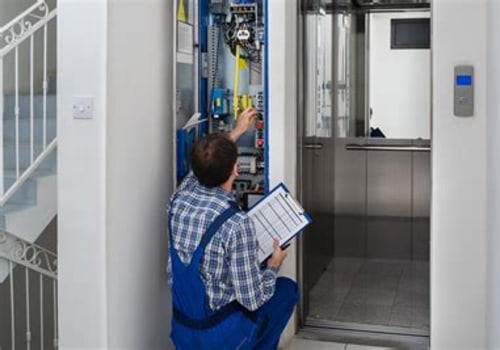
In today's fast-paced urban environments, elevators are essential for ensuring smooth vertical transportation in buildings.
Elevator maintenance
is crucial not only for the functionality of these systems but also for the safety of their users. Regular maintenance helps prevent unexpected breakdowns and extends the lifespan of the equipment, making it a vital aspect of building management. As such, the role of an elevator technician becomes increasingly important, as they are responsible for keeping these systems running efficiently and safely. The qualifications required for elevator maintenance technicians are diverse and reflect the complexity of modern elevator systems.Technicians must possess a blend of technical skills, problem-solving abilities, and a thorough understanding of safety regulations. This combination ensures that they can effectively diagnose issues, perform repairs, and conduct routine inspections. Moreover, as technology evolves, so too must the skill set of these professionals, requiring ongoing education and training to stay current with industry standards. Understanding the qualifications necessary for elevator maintenance technicians not only highlights the importance of their role but also emphasizes the need for rigorous training programs. These programs equip technicians with the knowledge and skills required to handle various types of elevators and escalators, ensuring that they can meet the demands of a rapidly changing industry.
As we delve deeper into this topic, we will explore specific qualifications and skills that aspiring elevator technicians should aim to acquire.
Understanding the Role of Elevator Maintenance Technicians
Elevator maintenance technicians play a crucial role in ensuring the safety and functionality of elevators in various settings, from residential buildings to commercial skyscrapers. Their job description encompasses a range of responsibilities that require both technical skills and a keen attention to detail.Primary Responsibilities
- Routine Inspections: Technicians conduct regular inspections to identify potential issues before they escalate. This includes checking mechanical components, electrical systems, and safety features.
- Repairs and Troubleshooting: When problems arise, elevator maintenance technicians are responsible for diagnosing and repairing malfunctions. This may involve replacing worn parts, fixing electrical issues, or recalibrating systems.
- Installation of New Equipment: In some cases, technicians may be involved in the installation of new elevators or modernization of existing systems, ensuring compliance with safety standards.
- Documentation: Keeping accurate records of maintenance activities, repairs, and inspections is essential for compliance with safety regulations and for tracking the performance of elevator systems.
Skills Required
- Technical Proficiency: A strong understanding of mechanical and electrical systems is vital.
Technicians must be able to read blueprints and schematics to effectively troubleshoot issues.
- Problem-Solving Skills: The ability to think critically and solve problems quickly is essential, especially when dealing with unexpected malfunctions.
- Attention to Detail: Given the safety implications of their work, technicians must pay close attention to detail during inspections and repairs.
- Communication Skills: Effective communication is necessary for collaborating with other professionals and explaining technical issues to clients or building managers.
Educational Requirements for Elevator Maintenance Technicians
To become a successful elevator maintenance technician, individuals must navigate a variety of educational pathways that equip them with the necessary skills and knowledge. The journey typically begins with obtaining a high school diploma or equivalent, which serves as the foundational requirement for further education and training.Following high school, aspiring technicians often pursue vocational training programs specifically designed for elevator maintenance. These programs are offered by community colleges, technical schools, and trade organizations.They usually cover essential topics such as:
- Electrical systems
- Mechanical systems
- Safety protocols
- Blueprint reading
- Hydraulic systems
Many technicians start their careers as apprentices, working alongside seasoned professionals to gain practical insights into the complexities of elevator systems.In summary, the educational requirements for becoming an elevator maintenance technician encompass a high school diploma, vocational training, and relevant certifications. This combination of education and experience prepares individuals for a rewarding career in this essential field.
Certifications and Licenses Needed
To become a successful elevator maintenance technician, obtaining the necessary certifications and licenses is crucial. These credentials not only enhance a technician's skills but also ensure compliance with state regulations and safety standards.Elevator Technician Certification
Many employers prefer or require technicians to hold a certification from recognized organizations. The National Institute for Certification in Engineering Technologies (NICET) offers a certification program specifically for elevator technicians.This certification demonstrates a technician's knowledge and expertise in the field, covering essential topics such as installation, maintenance, and troubleshooting of elevator systems.
Licensing Requirements for Elevator Maintenance
Licensing requirements for elevator maintenance technicians vary significantly by state. Most states require technicians to obtain a license to perform installation and maintenance work on elevators. This often involves passing an exam that tests knowledge of safety codes, regulations, and technical skills.- California: Requires a state-issued license and completion of an apprenticeship program.
- New York: Technicians must pass a licensing exam and meet specific training requirements.
- Texas: No state license is required, but local jurisdictions may have their own regulations.
State Regulations for Elevator Technicians
In addition to general licensing, each state has its own set of regulations governing elevator maintenance. These regulations often dictate the frequency of inspections, the qualifications needed for technicians, and the safety standards that must be adhered to during maintenance work.It is essential for technicians to stay informed about their state's specific requirements to ensure compliance and maintain safety in their operations.In summary, aspiring elevator maintenance technicians should focus on obtaining relevant certifications and understanding their state's licensing requirements. This not only enhances their employability but also ensures they are equipped to provide safe and effective service in the field.
Essential Skills for Elevator Maintenance Technicians
To excel as an elevator maintenance technician, a combination of technical and soft skills is essential. These skills not only ensure the safety and efficiency of elevator systems but also enhance the technician's ability to troubleshoot and resolve issues effectively.Technical Skills
- Mechanical Aptitude: A strong understanding of mechanical systems is crucial. Technicians must be able to comprehend how various components of elevators work together.
- Electrical Knowledge: Since elevators rely heavily on electrical systems, familiarity with wiring, circuits, and control systems is vital.
- Hydraulic Systems Understanding: Many elevators use hydraulic systems for movement.
Technicians should know how these systems operate and how to maintain them.
- Problem-Solving Skills: The ability to diagnose issues quickly and accurately is key. Technicians often face unexpected challenges that require immediate solutions.
- Safety Protocols: Knowledge of safety regulations and protocols is non-negotiable. Technicians must ensure that all maintenance work complies with local and national safety standards.
Soft Skills
- Communication: Effective communication skills are necessary for explaining technical issues to clients and collaborating with team members.
- Attention to Detail: Precision is critical in elevator maintenance. Technicians must pay close attention to details to prevent future malfunctions.
- Time Management: The ability to prioritize tasks and manage time efficiently ensures that maintenance schedules are met without compromising quality.
- Customer Service Orientation: A friendly demeanor and willingness to assist customers can enhance client relationships, which is important in service-oriented roles.
This blend not only facilitates effective repairs but also fosters positive interactions with clients, ultimately contributing to a safer and more reliable elevator service.
On-the-Job Training and Apprenticeships
To become a proficient elevator maintenance technician, hands-on experience is crucial. This is typically gained through apprenticeship programs and on-the-job training, which provide aspiring technicians with the practical skills necessary to excel in the field.Apprenticeship Programs
Many individuals start their careers in elevator maintenance by enrolling in formal apprenticeship programs. These programs usually last between three to four years and combine classroom instruction with practical experience. During this time, apprentices learn about:- Electrical systems and their applications in elevators
- Mechanical systems, including gears and pulleys
- Safety protocols and regulations governing elevator operations
- Troubleshooting techniques for common elevator issues
On-the-Job Training
In addition to formal apprenticeships, on-the-job training is an essential component of becoming a skilled elevator technician.This type of training allows technicians to:
- Work directly under seasoned professionals, gaining insights into real-world challenges and solutions.
- Familiarize themselves with various types of elevators and their specific maintenance needs.
- Develop problem-solving skills by addressing actual repair issues as they arise.
Career Advancement Opportunities in Elevator Maintenance
Elevator maintenance is not just a job; it offers a pathway to a rewarding career with numerous advancement opportunities. As the demand for skilled elevator technicians continues to grow, professionals in this field can explore various avenues for career growth.Career Growth in Elevator Maintenance
Starting as an entry-level technician, individuals can gain valuable experience and knowledge about elevator systems, safety protocols, and repair techniques. With time and dedication, they can progress to more advanced roles.Many companies offer structured training programs that allow technicians to enhance their skills and knowledge, which is essential for career advancement.
Specialized Roles in Elevator Repair
As technicians gain experience, they may choose to specialize in specific areas of elevator maintenance. Some potential specialized roles include:- Service Technician: Focuses on routine maintenance and emergency repairs.
- Installation Technician: Works on installing new elevator systems and ensuring compliance with safety standards.
- Field Supervisor: Oversees a team of technicians, managing projects and ensuring quality control.
- Technical Trainer: Educates new technicians on best practices and safety measures.
Leadership Opportunities
For those interested in leadership, there are opportunities to move into management positions within elevator maintenance companies. Roles such as Operations Manager or Project Manager involve overseeing multiple projects, managing budgets, and ensuring customer satisfaction.These positions typically require strong communication skills and a comprehensive understanding of the industry.In conclusion, the field of elevator maintenance offers a variety of career advancement opportunities. By continuously improving their skills and seeking specialized training, technicians can build a successful career with significant growth potential.
Frequently Asked Questions about Elevator Maintenance Qualifications
When considering a career in elevator maintenance, many aspiring technicians have questions about the necessary qualifications and training. Here are some of the most frequently asked questions regarding this field:What educational background is required to become an elevator technician?
Most employers prefer candidates who have a high school diploma or equivalent. However, pursuing further education in fields such as electrical engineering, mechanical engineering, or industrial technology can be beneficial.Many community colleges and technical schools offer specialized programs in elevator maintenance that provide hands-on training.
Is certification necessary for elevator maintenance technicians?
While certification is not always mandatory, obtaining it can significantly enhance job prospects. The National Elevator Industry Educational Program (NEIEP) offers a comprehensive training program that leads to certification. This credential demonstrates a technician's knowledge and commitment to safety standards in the industry.What skills are essential for success in elevator maintenance?
- Technical skills: Proficiency in electrical systems, mechanical systems, and hydraulic systems is crucial.
- Problem-solving abilities: Technicians must diagnose issues quickly and effectively.
- Attention to detail: Ensuring safety and compliance with regulations requires meticulousness.
- Communication skills: Technicians often work with clients and must explain technical issues clearly.
What is the job outlook for elevator maintenance technicians?
The demand for skilled elevator maintenance technicians is expected to grow as urban areas expand and existing elevators require regular servicing. According to the Bureau of Labor Statistics, employment in this field is projected to increase, making it a stable career choice.How can I gain experience in elevator maintenance?
Many technicians start their careers through apprenticeships, which combine on-the-job training with classroom instruction.This hands-on experience is invaluable and often leads to full-time positions upon completion.If you are considering a career as an elevator technician, understanding these qualifications and pathways can help you make informed decisions about your future in elevator maintenance.
Conclusion: The Path to Becoming an Elevator Maintenance Technician
In conclusion, the journey to becoming an elevator maintenance technician is both rewarding and essential for ensuring the safety and efficiency of vertical transportation systems. Throughout this article, we have explored the various qualifications required for this critical role, emphasizing the importance of a solid educational foundation, hands-on experience, and relevant certifications.Key Qualifications Recap:
- Educational Background: A high school diploma or equivalent is typically the minimum requirement, but many technicians benefit from pursuing further education in electrical or mechanical engineering.
- Apprenticeship Programs: Completing an apprenticeship provides invaluable on-the-job training, allowing aspiring technicians to gain practical skills under the guidance of experienced professionals.
- Licensing and Certification: Obtaining necessary licenses and certifications not only enhances a technician's credibility but also ensures compliance with local regulations and safety standards.
- Continuous Education: The field of elevator technology is constantly evolving. Ongoing training and education are crucial for technicians to stay updated on new technologies and safety protocols.
As urban environments continue to grow and evolve, the demand for qualified elevator maintenance technicians will only increase. Therefore, investing in the right education and training is essential for anyone looking to embark on this career path.Ultimately, those who choose to pursue this profession will find themselves at the forefront of ensuring that elevators operate smoothly and safely, making a meaningful impact on daily life in buildings across the country.