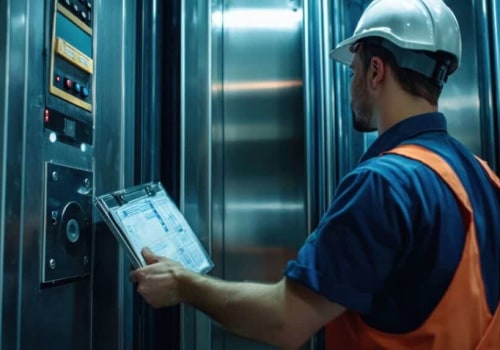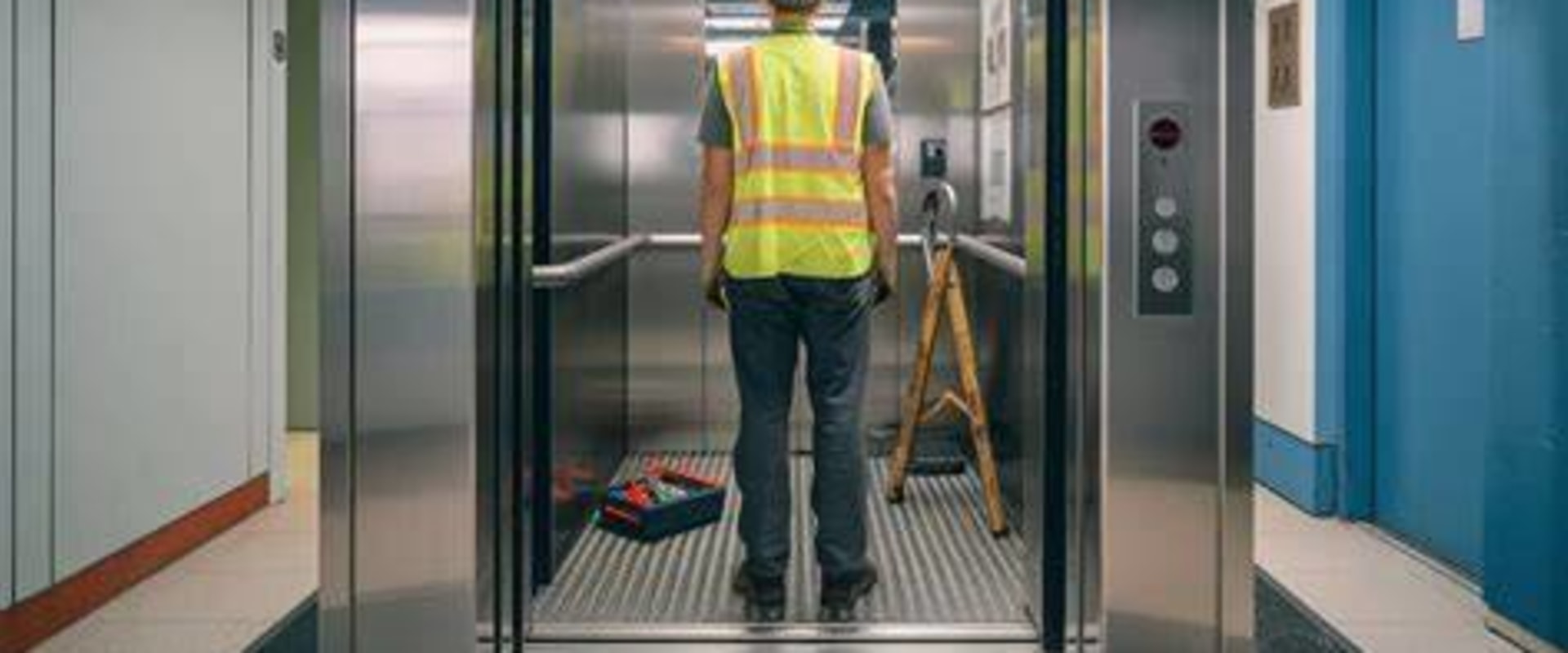
Elevators are a vital component of modern buildings, providing essential access and convenience. However, their functionality relies heavily on regular elevator maintenance. This process not only ensures that elevators operate smoothly but also plays a crucial role in safeguarding the safety of passengers. Neglecting maintenance can lead to unexpected breakdowns, which may result in dangerous situations for users. The importance of elevator maintenance cannot be overstated.
Regular inspections and servicing help identify potential issues before they escalate into serious problems. This proactive approach minimizes the risk of accidents and enhances the overall reliability of the elevator system. Moreover, well-maintained elevators contribute to the longevity of the equipment, ultimately saving building owners from costly repairs and replacements. In addition to functionality, elevator safety is paramount. Elevators are designed with numerous safety features, but these mechanisms require routine checks to ensure they are operational.
From emergency brakes to alarm systems, each component must be meticulously maintained to protect users from harm. Understanding the significance of elevator maintenance sets the foundation for addressing emergency situations effectively, ensuring that both passengers and service personnel are prepared for any unforeseen circumstances.
Common Emergency Situations During Elevator Maintenance
During elevator maintenance, various emergency situations can arise that pose risks to both technicians and passengers. Understanding these scenarios is crucial for effective risk management and ensuring safety. Here are some common emergencies that may occur:- Power Failures: Sudden power outages can leave elevators stranded between floors, potentially trapping passengers inside.
Technicians must be prepared to implement emergency power restoration procedures.
- Mechanical Failures: Components such as cables, pulleys, or brakes may fail unexpectedly. This can lead to sudden drops or erratic movements, necessitating immediate attention and repair.
- Fire Hazards: Maintenance work often involves electrical systems that can spark fires. Technicians should have fire extinguishers on hand and be trained in fire response protocols.
- Injuries to Personnel: The physical demands of elevator maintenance can lead to accidents, such as falls or equipment-related injuries. Proper training and safety gear are essential to mitigate these risks.
- Passenger Emergencies: If passengers are trapped during maintenance, it’s vital to have a clear communication plan and emergency rescue procedures in place.
Additionally, having a well-stocked emergency kit and a clear evacuation plan can significantly reduce risks during elevator repair emergencies.By being aware of these potential situations and preparing accordingly, elevator maintenance teams can ensure a safer working environment and minimize the impact of emergencies on both personnel and passengers.
Preparing for Emergencies: Best Practices in Elevator Maintenance
In the realm of elevator maintenance, being prepared for emergencies is crucial to ensure the safety of both maintenance personnel and building occupants. Implementing best practices can significantly mitigate risks associated with unexpected situations.1.Conduct Regular Safety Training
- All maintenance staff should undergo regular training sessions that cover emergency protocols specific to elevator systems.
- Simulated emergency drills can help familiarize the team with procedures, ensuring they respond effectively under pressure.
2.Maintain Clear Communication Channels
- Establish a reliable communication system among maintenance teams, building management, and emergency services.
- Utilize two-way radios or mobile apps to ensure instant communication during emergencies.
3.Keep Emergency Equipment Accessible
- Ensure that all necessary emergency equipment, such as first aid kits and fire extinguishers, are easily accessible in maintenance areas.
- Regularly check and restock these supplies to ensure they are always ready for use.
4.Develop a Comprehensive Emergency Plan
- Create a detailed emergency response plan that outlines specific actions to take during various scenarios, such as power failures or entrapments.
- This plan should be readily available and reviewed periodically to incorporate any changes in procedures or technology.
5.Perform Routine Inspections
- Regular inspections of elevator systems can help identify potential issues before they escalate into emergencies.
- Document findings and address any concerns promptly to maintain optimal safety standards.
Emergency Response Protocols for Elevator Technicians
In the event of an emergency during elevator maintenance, it is crucial for technicians to follow established emergency response protocols to ensure safety and minimize risks. These protocols are designed to provide a structured approach to handling various emergency situations effectively.Immediate Response Actions
- Assess the Situation: Technicians should quickly evaluate the nature of the emergency, whether it involves a malfunctioning elevator, a trapped passenger, or equipment failure.
- Notify Emergency Services: If the situation poses a significant risk to life or property, technicians must contact local emergency services immediately.
- Communicate with Affected Individuals: If passengers are trapped, it is essential to reassure them and inform them that help is on the way.
Safety Protocols
Technicians should adhere to the following safety protocols during emergencies:- Personal Protective Equipment (PPE): Always wear appropriate PPE, including helmets, gloves, and safety glasses, to protect against potential hazards.
- Isolation of Power Sources: Before attempting any repairs or interventions, ensure that all power sources to the elevator system are isolated to prevent accidental activation.
- Use of Emergency Tools: Familiarize yourself with emergency tools such as manual release mechanisms and communication devices to facilitate rescue operations.
Post-Emergency Procedures
After addressing the immediate emergency, technicians should follow these steps:- Document the Incident: Record all details of the emergency, including time, actions taken, and any injuries or damages incurred.
- Conduct a Safety Review: Analyze the incident to identify any procedural failures or areas for improvement in elevator maintenance.
- Report Findings: Share findings with management and incorporate lessons learned into future training sessions for technicians.
Communication Strategies During Elevator Maintenance Emergencies
Effective communication is crucial during emergency situations in elevator maintenance. When an emergency arises, the ability to relay information quickly and accurately can significantly impact the safety of both maintenance personnel and building occupants.Here are some key strategies to enhance communication during these critical moments:
- Establish Clear Protocols: Before any maintenance work begins, it is essential to have a clear communication protocol in place. This includes defining roles and responsibilities for each team member, ensuring everyone knows who to contact in case of an emergency.
- Utilize Technology: Leverage communication tools such as two-way radios or mobile apps designed for emergency situations. These tools can facilitate instant communication among team members, allowing for quick updates and coordination.
- Regular Briefings: Conduct regular briefings before starting maintenance work. This ensures that all team members are aware of potential risks and the steps to take in case of an emergency.
It also fosters a culture of safety and preparedness.
- Notify Building Management: In the event of an emergency, promptly inform building management about the situation. They can assist in managing the overall response and communicating with tenants.
- Update Occupants: If the elevator maintenance affects building occupants, provide timely updates through notices or announcements. Clear communication helps alleviate concerns and ensures that everyone is aware of the situation.
- Document Everything: Keep a record of all communications during the emergency. This documentation can be invaluable for post-incident reviews and improving future response strategies.
Case Studies: Real-Life Emergency Scenarios in Elevator Maintenance
Understanding how to handle emergency situations during elevator maintenance is crucial for ensuring safety and efficiency.Here are some real-life case studies that highlight the challenges faced and the lessons learned.
Case Study 1: The Stuck Elevator
In a high-rise building, maintenance workers were conducting routine checks when an elevator became stuck between floors with passengers inside. The immediate response involved:- Establishing communication with the trapped passengers to reassure them.
- Activating emergency protocols to alert building management and emergency services.
- Utilizing specialized tools to safely extract the passengers without causing further distress.
Case Study 2: Electrical Failure
During a scheduled maintenance session, technicians encountered an unexpected electrical failure that caused a power outage in the elevator system. The response included:- Immediately shutting down all elevator operations to prevent accidents.
- Conducting a thorough inspection of the electrical systems to identify the root cause.
- Implementing temporary safety measures, such as signage and barriers, until repairs were completed.
Lessons Learned
From these case studies, several key lessons emerge:- Preparedness: Regular training and drills can significantly improve response times during emergencies.
- Communication: Keeping open lines of communication with passengers and emergency services is vital for managing panic and ensuring safety.
- Proactive Maintenance: Routine inspections can help identify potential issues before they escalate into emergencies.
Frequently Asked Questions About Elevator Maintenance Emergencies
When it comes to elevator maintenance, understanding how to handle emergencies is crucial for both safety and efficiency. Here are some frequently asked questions that can help clarify common concerns:- What should I do if I get stuck in an elevator?
If you find yourself trapped, remain calm.Use the emergency button to alert building personnel or call for help. Avoid attempting to exit the elevator on your own, as this can be dangerous.
- How often should elevators undergo maintenance?
Regular maintenance is essential. Elevators should be inspected at least once a month, with more comprehensive checks performed quarterly or biannually, depending on usage and local regulations. - What are the signs that my elevator needs immediate attention?
Look out for unusual noises, erratic movements, or failure to respond to controls. If you notice any of these signs, contact a professional for an inspection. - Are there emergency protocols in place during maintenance?
Yes, reputable maintenance companies have established protocols to ensure safety during repairs.This includes securing the elevator, using warning signs, and having trained personnel on-site.
- What safety features should I look for in an elevator?
Key safety features include emergency brakes, alarm systems, and intercoms. Ensure that these systems are regularly tested and maintained as part of your elevator maintenance routine.
Conclusion: Key Takeaways for Safe Elevator Maintenance Practices
In conclusion, ensuring safe elevator maintenance is paramount for the well-being of both technicians and users. The following key takeaways encapsulate the essential practices that should be adopted:- Preparation is Crucial: Always conduct a thorough risk assessment before beginning any maintenance work.
This includes identifying potential hazards and ensuring that all necessary safety equipment is available and in good condition.
- Effective Communication: Establish clear communication protocols among team members. This ensures that everyone is aware of their roles and responsibilities during maintenance, especially in emergency situations.
- Emergency Response Plans: Develop and regularly update an emergency response plan tailored to elevator maintenance scenarios. This plan should include procedures for dealing with power failures, entrapments, and other unexpected incidents.
- Training and Drills: Regularly train maintenance personnel on emergency procedures and conduct drills to ensure readiness. Familiarity with emergency protocols can significantly reduce response times during actual incidents.
- Regular Inspections: Implement a routine inspection schedule to identify potential issues before they escalate into emergencies.
Proactive maintenance can prevent many common problems associated with elevators.