Elevators are a vital component of modern infrastructure, providing essential vertical transportation in buildings ranging from residential complexes to towering skyscrapers. However, the convenience they offer comes with a significant responsibility: ensuring their maintenance is conducted regularly and thoroughly.
Elevator maintenance
is not merely a routine task; it is a critical process that safeguards the safety of passengers and the functionality of the equipment. Understanding the importance of elevator maintenance goes beyond recognizing its role in operational efficiency. Regular maintenance checks help identify potential issues before they escalate into serious problems, thereby preventing accidents and ensuring compliance with safety regulations.This proactive approach not only enhances the lifespan of the elevator but also instills confidence in users regarding their safety while using these systems. As we delve deeper into the specifics of elevator maintenance, it is crucial to highlight the various safety precautions that technicians implement during these procedures. These precautions are designed to mitigate risks associated with elevator operation and maintenance, ensuring that both the equipment and its users remain safe. By prioritizing safety in maintenance practices, we can maintain the reliability and integrity of elevators, ultimately contributing to a safer built environment.
The Importance of Safety in Elevator Maintenance
Ensuring safety during elevator maintenance is not just a regulatory requirement; it is a fundamental aspect of protecting lives and property. Elevators are complex machines that operate under significant stress, and any oversight during maintenance can lead to catastrophic failures.Elevator safety standards
are established by organizations such as the American Society of Mechanical Engineers (ASME) and the Occupational Safety and Health Administration (OSHA).These standards dictate the protocols that must be followed to ensure that elevators operate safely and efficiently. Regular inspections, adherence to maintenance schedules, and proper training for technicians are all critical components of these standards.The risks associated with poor maintenance can be severe. Neglecting safety protocols can lead to:
- Injuries or fatalities: Malfunctioning elevators can cause serious accidents, including falls or entrapments.
- Property damage: A malfunctioning elevator can result in costly repairs not only to the elevator itself but also to the surrounding infrastructure.
- Legal repercussions: Failing to comply with safety regulations can lead to lawsuits and fines, impacting a company’s reputation and financial standing.
By adhering to established safety standards and conducting thorough inspections, property owners can mitigate risks and enhance the longevity of their elevator systems.
Key Safety Precautions During Elevator Maintenance
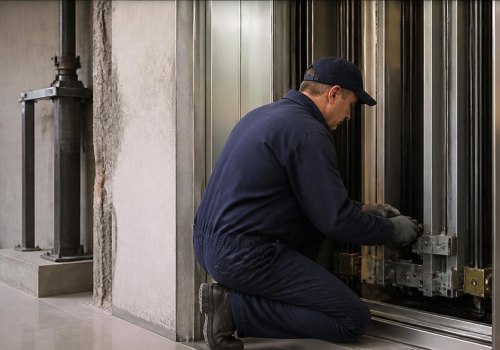
Ensuring safety during elevator maintenance is paramount for both technicians and users. A comprehensive understanding of safety precautions can significantly reduce the risk of accidents. Below is a detailed checklist of essential safety measures that should be adhered to during maintenance operations.- Lockout/Tagout Procedures: Before beginning any maintenance work, it is crucial to implement lockout/tagout (LOTO) procedures. This ensures that the elevator cannot be inadvertently activated while technicians are working on it.
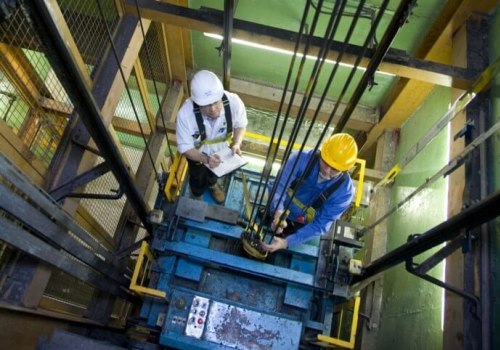
- Personal Protective Equipment (PPE): Technicians should always wear appropriate PPE, including hard hats, gloves, safety glasses, and steel-toed boots.
This gear protects against potential hazards such as falling objects and electrical shocks.
- Inspection of Tools and Equipment: Regularly inspect all tools and equipment used during elevator maintenance. Ensure that they are in good working condition to prevent malfunctions that could lead to accidents.
- Clear Work Area: Maintain a clean and organized work area. Remove any unnecessary tools or materials that could create tripping hazards or obstruct access to emergency exits.
- Communication: Establish clear communication protocols among team members. Use two-way radios or hand signals to ensure everyone is aware of ongoing activities and potential hazards.
- Emergency Procedures: Familiarize all technicians with emergency procedures, including evacuation routes and first aid protocols.
Conduct regular drills to ensure readiness in case of an emergency.
Personal Protective Equipment (PPE) for Elevator Technicians
When it comes to elevator maintenance, ensuring the safety of technicians is paramount. One of the most critical aspects of this safety protocol is the use of personal protective equipment (PPE). This equipment not only protects technicians from potential hazards but also enhances their ability to perform maintenance tasks efficiently.Essential PPE for Elevator Technicians
- Hard Hats: Protects against head injuries from falling objects, especially in environments where overhead work is common.
- Safety Glasses: Shields the eyes from debris and harmful substances that may be encountered during maintenance.
- Gloves: Provides grip and protection against sharp edges and electrical hazards.
Different types of gloves may be used depending on the specific tasks being performed.
- High-Visibility Vests: Ensures that technicians are easily seen, particularly in busy or low-light environments, reducing the risk of accidents.
- Steel-Toed Boots: Offers foot protection against heavy equipment and tools that may be dropped during maintenance activities.
- Fall Protection Gear: Harnesses and lanyards are essential when working at heights, ensuring that technicians are secured and minimizing the risk of falls.
By prioritizing safety through appropriate personal protective equipment, elevator maintenance can be conducted more effectively and with reduced risk of injury.
Emergency Procedures and Protocols
During elevator maintenance, having well-defined emergency procedures and protocols is crucial to ensure the safety of both maintenance personnel and building occupants. These procedures should be established before any maintenance work begins and regularly reviewed to adapt to new technologies or regulations.Key Emergency Procedures:
- Pre-Maintenance Safety Briefing: Before starting any maintenance work, a safety briefing should be conducted. This includes discussing potential hazards, emergency contacts, and the specific protocols to follow in case of an emergency.
- Emergency Contact Information: All personnel involved in the maintenance should have access to a list of emergency contacts, including local emergency services, elevator service companies, and building management.
- Clear Signage: Proper signage should be displayed near the elevator indicating that maintenance is in progress. This helps prevent unauthorized use and alerts occupants to potential hazards.
Responding to Elevator Emergencies:
- Immediate Response: In the event of an emergency, such as a malfunction or entrapment, the first step is to remain calm.
Maintenance personnel should assess the situation quickly and determine if immediate evacuation is necessary.
- Communication Protocols: Establish clear communication channels among team members. Use two-way radios or mobile phones to ensure that everyone is informed about the situation and can coordinate effectively.
- Rescue Procedures: If someone is trapped inside an elevator, trained personnel should follow established rescue protocols. This may involve contacting emergency services or using specialized equipment to safely extract individuals without causing further harm.
Training and Certification for Elevator Technicians
Ensuring the safety and reliability of elevators is paramount, and this begins with the training and certification of elevator technicians. These professionals are responsible for the maintenance and repair of elevators, and their expertise directly impacts the safety of users.Training for Elevator Technicians
- Technicians typically undergo extensive training programs that cover various aspects of elevator maintenance, including mechanical systems, electrical systems, and safety protocols.
- Many training programs are offered through vocational schools, community colleges, or specialized training centers, often combining classroom instruction with hands-on experience.
- Apprenticeships are also common, allowing aspiring technicians to work under the guidance of experienced professionals while gaining practical skills.
Certification Requirements for Elevator Maintenance
- Certification is often required to ensure that technicians meet industry standards.
Various organizations, such as the National Association of Elevator Contractors (NAEC) and the International Union of Elevator Constructors (IUEC), offer certification programs.
- These certifications typically require passing an examination that tests knowledge of safety regulations, maintenance practices, and troubleshooting techniques.
- Continuing education is also essential; many certifications require periodic renewal to ensure that technicians stay updated on the latest technologies and safety standards.
The Importance of Skilled Labor in Elevator Repair
The demand for skilled labor in elevator repair is critical. As technology advances, elevators become more complex, necessitating a workforce that is not only well-trained but also adaptable to new systems. A well-trained technician can identify potential issues before they escalate into serious problems, thereby enhancing overall safety.In conclusion, rigorous training and certification processes are essential for elevator technicians. By investing in skilled labor, we can ensure that elevators operate safely and efficiently, protecting both users and property alike.
Common Mistakes to Avoid During Elevator Maintenance
Elevator maintenance is crucial for ensuring the safety and reliability of these essential systems.However, there are several common mistakes that can occur during maintenance that may compromise safety. Understanding these errors is key to avoiding accidents and ensuring effective servicing.
- Neglecting Regular Inspections: One of the most significant mistakes is failing to conduct regular inspections. Skipping scheduled checks can lead to undetected issues that may escalate into serious problems.
- Inadequate Training: Technicians must be properly trained in elevator maintenance procedures. Inexperienced personnel may overlook critical safety protocols, increasing the risk of accidents.
- Ignoring Manufacturer Guidelines: Each elevator model comes with specific maintenance requirements outlined by the manufacturer.
Ignoring these guidelines can lead to improper servicing and potential hazards.
- Using Incorrect Tools: Utilizing the wrong tools for repairs can not only damage the elevator but also pose safety risks to technicians and users alike. Always ensure that the correct equipment is used for each task.
- Overlooking Safety Gear: Technicians should always wear appropriate safety gear, including helmets, gloves, and harnesses when working on elevators. Neglecting this can lead to serious injuries in case of accidents.
FAQs About Elevator Maintenance Safety Precautions
When it comes to elevator maintenance, safety is paramount.Here are some frequently asked questions that can help clarify the safety precautions taken during maintenance:
- What are the primary safety measures during elevator maintenance?
During elevator maintenance, technicians follow strict protocols, including locking out power sources, using safety harnesses, and employing proper tools to prevent accidents. - How often should elevators be maintained for safety?
Regular maintenance is crucial. Most experts recommend a thorough inspection at least once every six months, but this can vary based on usage and local regulations. - Are there specific certifications required for elevator maintenance technicians?
Yes, technicians should have certifications from recognized organizations, ensuring they are trained in safety standards and best practices for elevator maintenance. - What should building owners do to ensure elevator safety?
Building owners should schedule regular inspections, keep maintenance logs, and ensure that all safety features are operational. They should also be aware of any local laws regarding elevator safety.
- Always conduct a risk assessment before starting any maintenance work.
- Ensure that all personnel involved in the maintenance are aware of emergency procedures.
- Use appropriate personal protective equipment (PPE) such as gloves and helmets.
- Keep the work area clean and free of hazards to prevent slips and falls.
Conclusion: Ensuring Safety in Elevator Maintenance Practices
In conclusion, the significance of safety precautions during elevator maintenance cannot be overstated. As we have explored throughout this article, adhering to established safety protocols is essential not only for the protection of maintenance personnel but also for the safety of passengers who rely on elevators daily. Key practices such as conducting thorough inspections, utilizing proper personal protective equipment (PPE), and ensuring that all maintenance work is performed by qualified technicians are critical components of a comprehensive safety strategy.These measures help to identify potential hazards before they escalate into serious issues. Moreover, regular training and updates on safety standards for maintenance staff play a vital role in fostering a culture of safety. By keeping technicians informed about the latest regulations and best practices, elevator service companies can significantly reduce the risk of accidents.
- Regular Inspections: Frequent checks can catch issues early, preventing malfunctions.
- Use of PPE: Ensuring that all workers wear appropriate gear protects them from potential hazards.
- Qualified Personnel: Only certified technicians should perform maintenance to ensure compliance with safety standards.
- Emergency Protocols: Establishing clear procedures for emergencies can save lives and minimize injuries.