Elevator downtime can create major disruptions in residential buildings, offices, hotels, hospitals, and other commercial properties. When an elevator is unavailable, occupants may experience inconvenience, accessibility challenges, and delays in everyday operations. Many elevator problems develop gradually due to worn components, electrical issues, improper lubrication, debris, or moisture exposure. Regular maintenance and careful monitoring can help identify these risks before they lead to a complete shutdown. Property managers who take a preventive approach are often better positioned to reduce unexpected service interruptions and maintain reliable elevator performance.
Scheduling Routine Elevator Maintenance
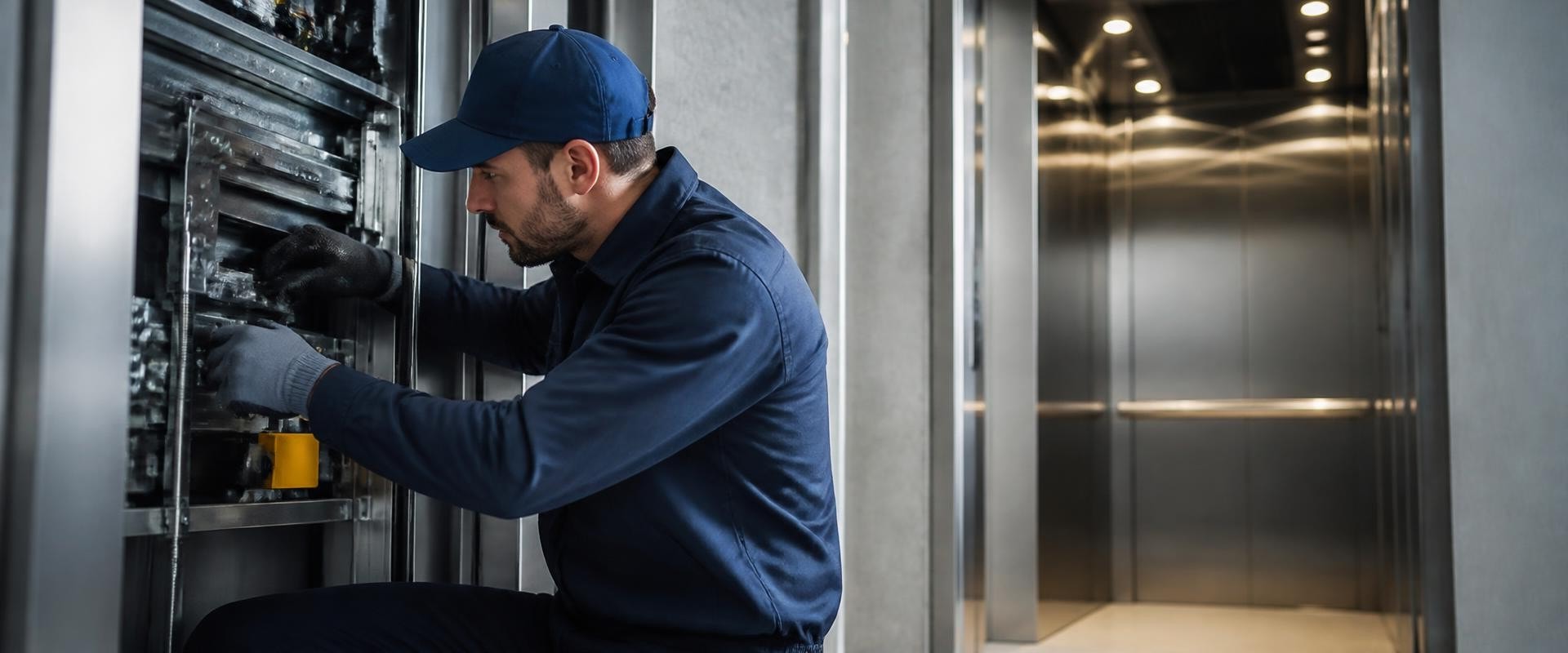
Routine maintenance is one of the most effective ways to reduce the risk of unexpected elevator breakdowns. Technicians can inspect mechanical parts, electrical systems, doors, cables, control panels, and safety devices to ensure everything is functioning properly. Preventive maintenance also allows worn components to be repaired or replaced before they fail. The appropriate inspection schedule can depend on the elevator's age, usage level, manufacturer recommendations, and local regulations. Keeping accurate maintenance records can also help property managers identify recurring issues and determine whether certain parts require more frequent attention.
Managing Moisture Around Elevator Systems
Moisture can be especially problematic for elevators because many important components rely on electrical and mechanical systems that should remain dry. Water intrusion from plumbing leaks, roof damage, flooding, condensation, or groundwater can reach elevator shafts, pits, and equipment rooms. Once moisture enters these spaces, it can contribute to corrosion, electrical problems, mold growth, and deterioration of mechanical components. When water intrusion occurs, companies such as First Choice Water Damage Experts may be involved in addressing water-related damage and helping property owners dry affected building areas before additional problems develop.
Inspecting Elevator Pits Regularly
Elevator pits are located at the bottom of elevator shafts and can sometimes collect water without building occupants immediately noticing. Regular inspections can help identify moisture, standing water, unusual odors, corrosion, or drainage problems. If water repeatedly appears in the pit, simply removing it may not solve the underlying issue. Property managers should investigate the source, which may include foundation seepage, plumbing leaks, or inadequate drainage. Addressing the cause is important for preventing repeated exposure that could affect elevator components and surrounding building materials.
Protecting Electrical Equipment
Electrical systems are particularly vulnerable to moisture. Elevator control equipment, wiring, switches, sensors, and related components can experience malfunctions when exposed to water or excessive humidity. Equipment rooms should be kept dry, clean, and properly ventilated. Any signs of leaking pipes, roof damage, or condensation near electrical components should be addressed quickly. Property staff should avoid attempting repairs involving elevator electrical systems unless they have appropriate training, as specialized work should be handled by qualified elevator professionals.
Monitoring Doors and Moving Components
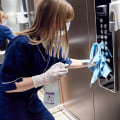
Elevator doors are another frequent source of service problems because they open and close many times each day. Dirt, debris, damaged sensors, or worn components can interfere with proper operation. Routine cleaning and inspection can help reduce these issues. Other moving parts may also require lubrication, adjustment, or replacement as they wear. Listening for unusual noises, watching for delayed door movement, and reporting inconsistent operation can help technicians identify problems early.
Responding Quickly to Water Intrusion
If flooding or significant water intrusion occurs near an elevator, the system may need to be taken out of service until the area has been evaluated. Operating an elevator when electrical or mechanical components have been affected by water can create additional damage and safety concerns. Once the source of water has been controlled, affected areas should be properly dried and inspected before normal service resumes.
Maintaining Reliable Elevator Operation
Preventing elevator downtime requires attention to both mechanical maintenance and the surrounding building environment. Regular inspections, timely repairs, moisture monitoring, and prompt responses to leaks can help reduce avoidable disruptions. By coordinating elevator servicing with broader property maintenance and water-control efforts, building owners and managers can support safer, more dependable elevator operation and reduce the likelihood of costly emergency repairs.