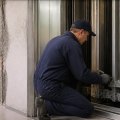
Elevators are an essential component of modern buildings, providing convenience and accessibility to individuals across various settings. However, the significance of elevator maintenance often goes unnoticed until a problem arises. Regular maintenance is not merely a recommendation; it is a critical practice that ensures the safety, reliability, and efficiency of these vital systems. Understanding what elevator maintenance entails is crucial for building owners and facility managers alike. At its core, elevator maintenance involves routine inspections, adjustments, and repairs designed to keep elevators functioning optimally.
This process includes checking mechanical components, electrical systems, and safety features to prevent malfunctions that could lead to accidents or service interruptions. The importance of elevator maintenance cannot be overstated; it directly impacts the safety of passengers and the overall operational efficiency of a building. Neglecting elevator maintenance can lead to a cascade of issues, from minor inconveniences like longer wait times to severe consequences such as accidents or complete system failures. As we delve deeper into the repercussions of overlooking this essential aspect, it becomes clear that proactive maintenance is not just about compliance with regulations but about safeguarding lives and ensuring seamless mobility within our built environments.
Safety Risks Associated with Poor Elevator Maintenance
Neglecting elevator maintenance can lead to a myriad of safety risks that endanger both passengers and service personnel. Elevators are complex machines that require regular inspections and servicing to ensure they operate safely and efficiently.When maintenance is overlooked, the likelihood of accidents increases significantly.One of the most alarming consequences of poor elevator maintenance is the potential for accidents. Faulty components such as cables, brakes, and control systems can fail unexpectedly, leading to dangerous situations. For instance, a malfunctioning brake system may cause an elevator to descend rapidly, posing a serious risk of injury or even fatality to those inside.Additionally, improper maintenance can result in entrapment, where passengers become stuck between floors due to mechanical failures. This not only causes panic but also requires emergency services to intervene, which can be time-consuming and stressful for those involved.
- Increased Risk of Falls: Poorly maintained elevators may have uneven floors or malfunctioning doors that can lead to falls when entering or exiting.
- Electrical Hazards: Neglected electrical systems can pose fire risks or electric shocks, endangering users and building occupants.
- Inadequate Emergency Systems: If emergency alarms or communication systems are not regularly tested, passengers may find themselves without help in critical situations.
Failing to maintain elevators not only jeopardizes the safety of individuals but also exposes property owners to lawsuits and financial repercussions.In conclusion, the importance of regular elevator maintenance cannot be overstated. Ensuring that elevators are properly serviced is crucial for preventing accidents and safeguarding the well-being of all users.
Financial Consequences of Neglecting Elevator Maintenance
Neglecting elevator maintenance can lead to significant financial repercussions for property owners and managers. The costs associated with elevator repairs can escalate quickly, especially when issues are allowed to fester. Regular maintenance is not just a minor expense; it is a crucial investment that can save money in the long run.When elevators are not properly maintained, they are more prone to breakdowns.These unexpected failures can result in:
- High Repair Costs: Emergency repairs often come with a premium price tag. A simple issue, if left unaddressed, can evolve into a major malfunction requiring extensive repairs or even complete replacement of parts.
- Downtime Expenses: An elevator out of service can disrupt the flow of business or daily activities in a building. This downtime can lead to lost revenue, especially in commercial properties where accessibility is crucial.
- Increased Insurance Premiums: Frequent claims due to elevator malfunctions can lead to higher insurance premiums. Insurers may view poorly maintained elevators as a higher risk, resulting in increased costs for property owners.
If an elevator malfunction leads to an injury, the owner may face lawsuits and hefty settlements. Legal fees and compensation payouts can far exceed the costs of regular maintenance.In summary, the financial impact of neglecting elevator maintenance is multifaceted. From escalating repair costs and lost revenue due to downtime to increased insurance premiums and potential legal liabilities, the consequences are significant. Property managers and owners should prioritize elevator maintenance as a critical component of their operational budget to mitigate these risks and ensure long-term financial stability.
Impact on Property Value and Tenant Satisfaction
Neglecting elevator maintenance can have significant repercussions on both property value and tenant satisfaction.Elevators are a critical component of multi-story buildings, and their condition directly influences the overall perception of the property.
Impact on Property Value
- Properties with well-maintained elevators tend to attract higher rental rates and sales prices. Conversely, a building with a poorly maintained elevator can deter potential buyers or renters, leading to decreased demand.
- Real estate appraisers often consider the condition of elevators when determining property value. A neglected elevator can lead to lower appraisals, impacting financing options for owners.
- In competitive markets, properties that showcase modern, reliable elevator systems are more likely to stand out. This competitive edge can be lost if maintenance is overlooked.
Tenant Satisfaction
- Elevators that frequently break down or operate inefficiently can lead to frustration among tenants.
This dissatisfaction can result in higher turnover rates, as residents seek more reliable living conditions.
- Regular maintenance ensures that elevators operate smoothly and safely, which is crucial for tenant peace of mind. A well-functioning elevator contributes to a positive living experience, enhancing tenant retention.
- Moreover, tenants are more likely to recommend properties with reliable elevator service to friends and family, further boosting occupancy rates and community reputation.
Legal Implications of Inadequate Elevator Maintenance
Neglecting elevator maintenance can lead to serious legal implications for building owners and operators. One of the primary concerns is compliance with local, state, and federal regulations governing elevator safety.Failure to adhere to these regulations can result in hefty fines and legal action.
Liability
is another critical issue. If an elevator accident occurs due to inadequate maintenance, the building owner may be held liable for any injuries or damages that result. This liability can extend to both civil lawsuits and potential criminal charges if negligence is proven. Victims of elevator accidents often seek compensation for medical expenses, lost wages, and pain and suffering, which can lead to significant financial repercussions for the responsible parties.Moreover, insurance companies may refuse to cover claims related to elevator accidents if it is determined that proper maintenance was not conducted.This lack of coverage can leave building owners vulnerable to substantial out-of-pocket expenses.To mitigate these risks, it is essential for property managers and owners to establish a comprehensive elevator maintenance program that includes regular inspections, timely repairs, and adherence to all relevant safety standards. Keeping detailed records of maintenance activities can also serve as crucial evidence in the event of a legal dispute.In summary, the consequences of not maintaining elevators extend beyond operational inefficiencies; they encompass significant legal risks that can affect both the financial stability and reputation of a property owner. Understanding these implications is vital for ensuring compliance and safeguarding against potential liabilities.
Common Signs That Elevators Need Maintenance
Recognizing the signs of elevator problems is crucial for ensuring safety and efficiency. Here are some common indicators that your elevator may need maintenance:- Unusual Noises: If you hear grinding, squeaking, or banging sounds when the elevator is in operation, it could indicate mechanical issues that require immediate attention.
- Inconsistent Performance: Elevators should operate smoothly.
If you notice jerky movements, sudden stops, or delays in response time, it’s a sign that maintenance is needed.
- Door Malfunctions: Doors that fail to open or close properly can pose serious safety risks. If the doors are slow to respond or get stuck, it’s time to call for a technician.
- Vibration or Shaking: Excessive vibration during operation can indicate misalignment or wear in the elevator’s components. This should be addressed promptly to prevent further damage.
- Frequent Error Messages: Modern elevators often have diagnostic systems that display error codes. If you see these messages frequently, it’s a clear sign that maintenance is required.
This checklist can include:
- Regular inspections of mechanical components
- Testing emergency systems
- Checking for wear and tear on cables and pulleys
- Ensuring proper lubrication of moving parts
- Monitoring the performance of safety features
Best Practices for Elevator Maintenance
Maintaining elevators is crucial for ensuring safety, efficiency, and longevity. Here are some best practices for elevator maintenance that property managers and owners should implement:- Regular Inspections: Schedule routine inspections at least twice a year. This helps identify potential issues before they escalate into costly repairs.
- Professional Servicing: Engage certified elevator technicians for servicing.
They possess the expertise to handle complex systems and ensure compliance with safety regulations.
- Lubrication: Regularly lubricate moving parts to reduce friction and wear. This simple step can significantly extend the lifespan of elevator components.
- Cleaning: Keep the elevator shaft and machinery clean. Dust and debris can hinder performance and lead to malfunctions.
- Monitoring Usage: Track elevator usage patterns. Understanding peak times can help in scheduling maintenance during off-peak hours, minimizing disruption.
- Emergency Preparedness: Ensure that emergency systems are functional.
Regularly test alarms, lights, and communication systems to guarantee they work in case of an emergency.
Frequently Asked Questions About Elevator Maintenance
When it comes to elevator maintenance, many property owners have questions.Here are some of the most frequently asked questions regarding elevator care:
- How often should elevators be maintained?
Elevators should typically undergo maintenance at least once every month. However, the frequency can vary based on usage, type of elevator, and manufacturer recommendations. - What does elevator maintenance involve?
Routine maintenance includes inspecting mechanical components, checking safety systems, lubricating moving parts, and ensuring that all electronic systems are functioning properly. - What are the signs that my elevator needs maintenance?
Common signs include unusual noises, slow operation, doors not opening or closing properly, and frequent breakdowns. If you notice any of these issues, it’s crucial to schedule maintenance immediately. - Can I perform elevator maintenance myself?
While some basic checks can be done by the owner, such as ensuring the elevator is clean and free of obstructions, it is highly recommended to hire a professional for comprehensive maintenance to ensure safety and compliance with regulations. - What are the consequences of neglecting elevator maintenance?
Neglecting elevator maintenance can lead to serious safety hazards, increased repair costs, and potential legal liabilities. Regular maintenance helps prevent unexpected breakdowns and extends the lifespan of the elevator.
Conclusion: The Importance of Regular Elevator Maintenance
In conclusion, the significance of regular elevator maintenance cannot be overstated.Neglecting this essential aspect of building management can lead to a myriad of consequences that affect not only the safety of occupants but also the financial health of the property. First and foremost, elevator safety is paramount. Regular maintenance ensures that all components are functioning correctly, reducing the risk of accidents that could result in injury or even fatalities. A well-maintained elevator system is less likely to experience malfunctions, which can lead to dangerous situations for users. Moreover, failing to maintain elevators can have serious financial implications. Unexpected breakdowns often result in costly repairs and extended downtime, which can disrupt business operations and lead to loss of revenue.
Additionally, properties with poorly maintained elevators may face higher insurance premiums due to increased risk factors. Another critical aspect is the impact on property value. Elevators are a significant investment in any building, and their condition can greatly influence overall property appeal. Prospective tenants or buyers are likely to be deterred by the prospect of unreliable or unsafe elevator systems, which can diminish market value. In summary, prioritizing elevator maintenance is essential for ensuring safety, protecting financial interests, and preserving property value. Regular inspections and timely repairs not only enhance the functionality of elevators but also contribute to a positive experience for all users.
Investing in maintenance is ultimately an investment in the future of your property.