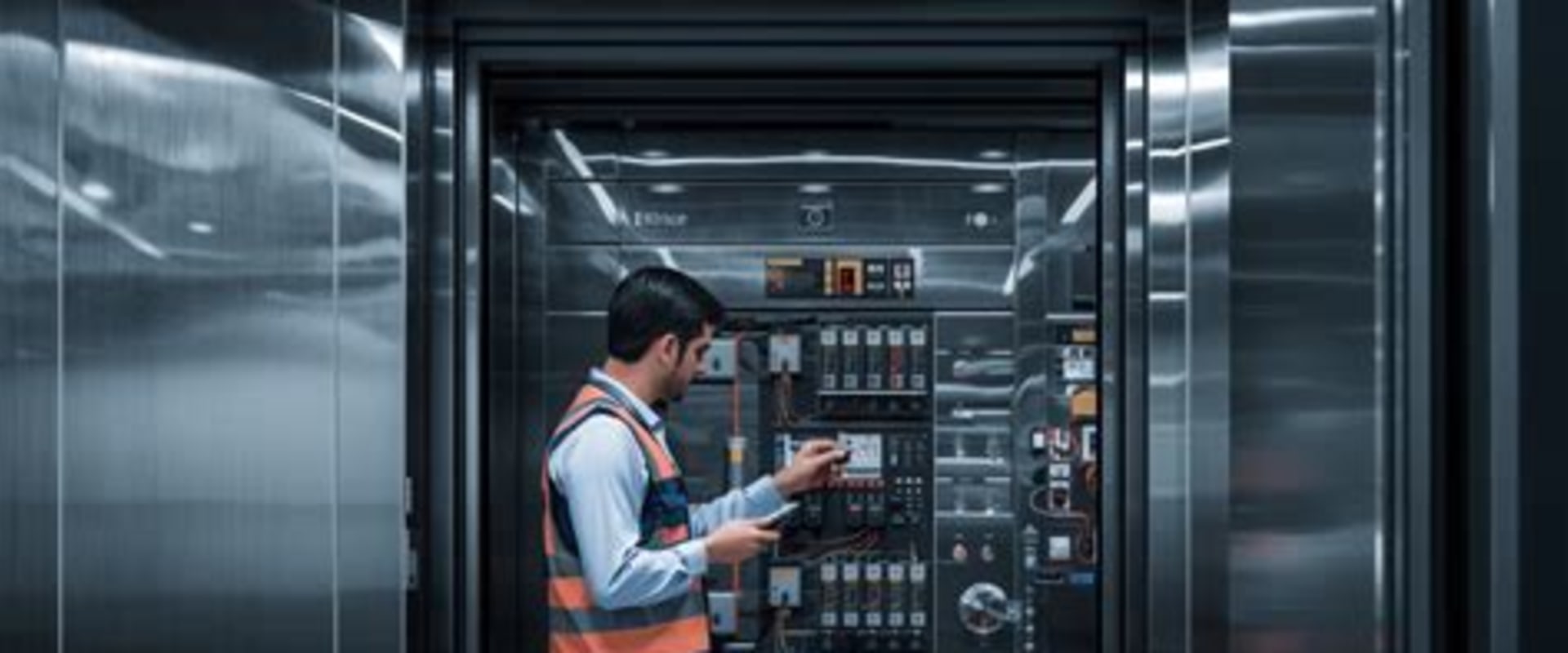
Understanding elevator maintenance costs is crucial for property owners and facility managers who want to ensure the safety and efficiency of their elevators. Regular upkeep is not just a regulatory requirement; it also plays a significant role in extending the lifespan of the equipment and minimizing unexpected breakdowns. However, the expenses associated with elevator upkeep can vary widely based on several factors, including the type of elevator, its usage frequency, and the specific maintenance plan chosen. When considering elevator service pricing, it’s essential to recognize that these costs can be influenced by both routine maintenance and emergency repairs. Routine services typically include inspections, lubrication, and adjustments, which are necessary to keep the elevator functioning smoothly.
On the other hand, emergency repairs can arise from unforeseen issues, leading to potentially high costs that could have been mitigated with regular maintenance. In this article, we will delve deeper into the various components that contribute to elevator maintenance costs, helping you make informed decisions about your elevator service needs. By understanding these factors, you can better budget for maintenance expenses and ensure that your elevators remain safe and operational for years to come.
Factors Influencing Elevator Maintenance Costs
Understanding the costs associated with elevator maintenance requires a closer look at several key factors that can significantly influence pricing. These factors include the type of elevator, its usage frequency, and the location of the installation.Type of Elevator
The type of elevator plays a crucial role in determining maintenance costs. For instance, hydraulic elevators typically have lower maintenance costs compared to traction elevators due to their simpler mechanics.However, traction elevators, which are often used in high-rise buildings, may require more specialized services and parts, leading to higher overall expenses.
Usage Frequency
The frequency of use is another important factor. Elevators that experience heavy traffic will require more frequent inspections and maintenance to ensure safety and reliability. In contrast, elevators in low-traffic areas may not need as much attention, resulting in lower maintenance costs over time.Location
The geographical location of the elevator can also impact maintenance costs. Elevators in urban areas may face higher service fees due to increased labor costs and the potential for more complex regulatory requirements.Additionally, environmental factors such as humidity and temperature can affect the wear and tear on elevator components, necessitating more frequent maintenance in certain climates.
Additional Considerations
- Age of the Elevator: Older elevators may require more frequent repairs and updates to comply with current safety standards.
- Service Contracts: Many building owners opt for service contracts that can provide predictable costs but may vary based on the level of service included.
- Emergency Repairs: Unexpected breakdowns can lead to significant costs, emphasizing the importance of regular maintenance to prevent such occurrences.
Types of Elevator Maintenance Services
When it comes to elevator maintenance, understanding the different types of services available is crucial for ensuring the longevity and safety of your elevator system. The two primary categories of elevator maintenance services are preventive maintenance and corrective maintenance.Preventive Maintenance
Preventive maintenance involves regular inspections and servicing designed to prevent potential issues before they arise. This type of maintenance typically includes tasks such as:- Routine inspections of mechanical components
- Lubrication of moving parts
- Testing safety systems
- Cleaning and adjusting doors and sensors
- Checking electrical systems and connections
Corrective Maintenance
Corrective maintenance, on the other hand, is performed after a malfunction or failure has occurred.This type of service aims to restore the elevator to its operational state. Common corrective maintenance tasks include:
- Repairing or replacing faulty components
- Troubleshooting electrical issues
- Addressing hydraulic system failures
- Fixing door malfunctions
Average Costs of Elevator Maintenance
Understanding the average costs of elevator maintenance is crucial for property owners and managers. Regular maintenance not only ensures safety but also prolongs the lifespan of the elevator system.Here’s a breakdown of what you can expect in terms of costs.
Typical Elevator Service Fees
The typical elevator service fees can vary significantly based on several factors, including the type of elevator, its age, and the service provider. On average, you can expect to pay:- $100 to $300 per month for basic maintenance contracts.
- $500 to $1,500 for annual inspections and safety tests.
- $1,000 to $5,000 for major repairs or overhauls, depending on the extent of the work needed.
Cost Breakdown for Elevator Upkeep
A detailed cost breakdown for elevator upkeep can help you budget effectively. Here are some common expenses associated with elevator maintenance:- Routine Maintenance: This includes monthly checks and minor adjustments, typically costing around $100 to $200.
- Emergency Repairs: Unforeseen issues can arise, leading to emergency service calls that may range from $200 to $1,000.
- Parts Replacement: Components like cables and motors may need replacement every few years, costing anywhere from $500 to $3,000.
- Modernization: Upgrading an old elevator system can be a significant investment, often exceeding $10,000.
Long-term vs Short-term Maintenance Costs
When considering elevator maintenance, it is crucial to differentiate between long-term and short-term maintenance costs. Understanding these differences can significantly impact budgeting and operational efficiency.Short-term Service Expenses
Short-term maintenance costs typically include routine inspections, minor repairs, and emergency service calls.These expenses are often predictable and can be budgeted for on a monthly or annual basis. Common short-term costs may include:
- Monthly inspection fees
- Replacement of worn-out parts such as belts and pulleys
- Emergency repair services
- Lubrication and cleaning services
Long-term Elevator Maintenance Costs
In contrast, long-term maintenance costs encompass more extensive repairs and upgrades that are necessary to ensure the elevator operates safely and efficiently over time. These costs can include:- Major component replacements (e.g., motors, control systems)
- Modernization projects to improve energy efficiency and performance
- Compliance upgrades to meet changing safety regulations
- Comprehensive overhauls that extend the lifespan of the elevator
Cost Comparison Over Time
A thorough cost comparison over time reveals that while short-term expenses may appear lower initially, neglecting long-term maintenance can lead to higher costs down the line. For instance, an elevator that receives only minimal short-term care may require a complete overhaul sooner than one that is regularly maintained with a focus on long-term health.Planning for future expenses
is essential.By allocating funds for both short-term and long-term maintenance, building owners can ensure their elevators remain safe, efficient, and compliant with regulations while avoiding unexpected financial burdens.
Common Issues Leading to Increased Maintenance Costs
Elevator maintenance is crucial for ensuring safety and efficiency, but certain common issues can lead to increased maintenance costs if not addressed promptly. Understanding these issues can help building managers and owners take proactive measures to mitigate expenses.- Wear and Tear: Over time, components such as cables, pulleys, and brakes experience natural wear. Regular inspections can identify these issues early, preventing costly repairs.
- Electrical Problems: Faulty wiring or malfunctioning control systems can lead to frequent breakdowns. Investing in routine electrical checks can help catch these problems before they escalate.
- Hydraulic Leaks: In hydraulic elevators, leaks can cause significant operational issues.
Regular fluid level checks and prompt repairs can minimize downtime and repair costs.
- Door Malfunctions: Doors that fail to open or close properly can lead to service interruptions. Ensuring that door sensors and mechanisms are regularly maintained can prevent these issues.
- Improper Use: Overloading elevators or using them in ways not intended can lead to premature wear. Educating users about proper elevator use is essential for reducing maintenance costs.
- Date and time of the issue
- Description of the problem
- Actions taken to resolve the issue
- Any patterns observed over time
By staying ahead of these common problems, building owners can significantly reduce their elevator maintenance costs while ensuring a safe and reliable service for all users.
Choosing the Right Elevator Maintenance Provider
Choosing the right elevator maintenance provider is crucial for ensuring the safety and reliability of your elevator systems. With numerous options available, it’s essential to evaluate potential service companies carefully. Here are some key factors to consider:- Experience and Reputation: Look for companies with a proven track record in the industry. Check online reviews, testimonials, and ask for references to gauge their reliability.
- Certifications and Qualifications: Ensure that the technicians are certified and trained in elevator maintenance.
This guarantees that they are knowledgeable about the latest technologies and safety standards.
- Service Offerings: Different providers may offer varying levels of service. Some may provide comprehensive maintenance packages, while others might focus on specific types of elevators. Assess your needs and choose a provider that aligns with them.
- Response Time: In case of emergencies, a quick response is vital. Inquire about their average response times and whether they offer 24/7 support.
- Cost Transparency: Evaluate the pricing structure of potential providers.
A reputable company should provide clear information about their fees, including any additional costs that may arise during maintenance.
- Scope of Work: Ensure that the contract clearly outlines what services are included, such as routine inspections, repairs, and emergency services.
- Duration and Renewal Terms: Understand the length of the contract and any terms regarding renewal or cancellation.
- Liability and Insurance: Confirm that the provider has adequate insurance coverage to protect against potential damages or accidents during maintenance work.
FAQs About Elevator Maintenance Costs
When it comes to elevator maintenance, many property owners have questions regarding the associated costs. Here are some frequently asked questions that can help clarify common concerns:What are the typical costs of elevator maintenance?
The costs of elevator maintenance can vary significantly based on several factors, including the type of elevator, its age, and the frequency of use. On average, you can expect to pay between $100 to $500 per month for routine maintenance. This often includes inspections, minor repairs, and necessary adjustments.Are there additional costs beyond regular maintenance?
Yes, in addition to regular maintenance fees, there may be additional costs for:- Repairs: Unexpected breakdowns can lead to repair costs that range from a few hundred to several thousand dollars depending on the issue.
- Upgrades: If your elevator is outdated, you may need to invest in upgrades to meet safety standards or improve efficiency.
- Emergency services: In case of emergencies, service calls can incur extra charges, especially outside of regular business hours.
How often should elevators be maintained?
Most experts recommend that elevators undergo maintenance at least once a month.However, high-traffic elevators may require more frequent inspections and servicing to ensure safety and reliability.
Can I save money on elevator maintenance?
While it might be tempting to cut costs by skipping maintenance, this can lead to more significant expenses down the line. Regular maintenance helps identify potential issues early, preventing costly repairs and ensuring the safety of users. Additionally, consider negotiating service contracts with providers for better rates.Understanding these aspects of elevator maintenance costs can help you budget effectively and ensure your elevator remains safe and operational for years to come.Conclusion: Key Takeaways on Elevator Maintenance Costs
In conclusion, understanding the costs associated with elevator maintenance is crucial for building owners and facility managers. Proper budgeting not only ensures compliance with safety regulations but also enhances the longevity and reliability of the elevator systems.Here are the key takeaways regarding elevator maintenance costs:- Regular Inspections: Routine inspections are essential and typically cost between $100 to $300 per visit.
These inspections help identify potential issues before they escalate into costly repairs.
- Preventive Maintenance: Engaging in preventive maintenance can save significant amounts in the long run. This service usually ranges from $1,000 to $2,500 annually, depending on the elevator type and usage.
- Repairs and Parts Replacement: Unexpected repairs can be a major expense. Costs can vary widely, but minor repairs may start at $200, while major component replacements can exceed $5,000.
- Modernization Costs: If your elevator is outdated, modernization might be necessary. This can be a substantial investment, often ranging from $50,000 to $150,000, but it significantly improves efficiency and safety.
- Emergency Services: Having a plan for emergency services is vital.
These services can incur additional costs, often charged at a premium rate during off-hours.


