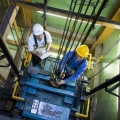
Elevators are a crucial component of modern infrastructure, providing essential vertical transportation in residential, commercial, and industrial settings.
Elevator maintenance
is not merely a routine task; it is a vital practice that ensures the safety, reliability, and efficiency of these systems. Regular maintenance helps to prevent unexpected breakdowns, which can lead to costly repairs and significant inconvenience for users. Moreover, well-maintained elevators contribute to the overall value of a property, enhancing its appeal to tenants and visitors alike. The importance of elevator maintenance extends beyond mere functionality.It plays a critical role in ensuring the safety of passengers. Faulty elevators can pose serious risks, including accidents and injuries. Therefore, adhering to a comprehensive maintenance schedule is essential for identifying potential issues before they escalate into dangerous situations. This proactive approach not only safeguards users but also complies with legal regulations and industry standards. As we delve deeper into the topic, it becomes clear that ensuring high-quality elevator service is paramount.
This involves selecting qualified technicians, utilizing quality parts, and implementing rigorous inspection protocols. Understanding the nuances of elevator maintenance will empower property owners and managers to make informed decisions that enhance safety and operational efficiency.
Key Factors in Evaluating Elevator Maintenance Services
When it comes to ensuring the quality of elevator maintenance services, several key factors should be evaluated to make an informed decision. Understanding these factors can help property managers and building owners select a provider that meets their needs effectively.- Certifications and Licenses: Always check if the maintenance provider holds the necessary certifications and licenses. This ensures that they comply with local regulations and industry standards, which is crucial for safety and reliability.
- Experience: The experience of the maintenance team plays a significant role in the quality of service.
Look for companies with a proven track record in elevator maintenance. A provider with years of experience is likely to have encountered various issues and can handle them efficiently.
- Customer Reviews: Researching customer feedback can provide insights into the reliability and quality of service offered by a maintenance provider. Look for reviews on independent platforms to get an unbiased view of their performance.
- Response Time: Evaluate how quickly the maintenance service responds to calls for repairs or inspections. A prompt response time is essential for minimizing downtime and ensuring safety.
- Service Contracts: Review the terms of service contracts carefully.
A good contract should outline the scope of services, response times, and any additional fees. Transparency in pricing is vital for avoiding unexpected costs.
- Technological Capabilities: Consider whether the provider uses modern technology in their maintenance practices. Advanced diagnostic tools can lead to more efficient troubleshooting and repairs, enhancing overall service quality.
Certifications and Qualifications of Maintenance Technicians
Ensuring the quality of elevator maintenance services begins with the certifications and qualifications of the technicians performing the work. Properly trained and certified technicians are essential for maintaining safety standards and operational efficiency.Elevator Technician Certifications
- National Elevator Industry Educational Program (NEIEP): This program offers a comprehensive curriculum that covers various aspects of elevator technology, ensuring technicians are well-versed in both theory and practical applications.
- American Society of Mechanical Engineers (ASME) Certification: Technicians who hold ASME certifications demonstrate their knowledge of safety codes and standards, which are crucial for safe elevator operation.
- State Licensure: Many states require elevator technicians to be licensed, which often involves passing exams that test their knowledge of local codes and regulations.
Qualifications for Elevator Maintenance
- Experience: Technicians should have hands-on experience in the field, ideally working under the supervision of seasoned professionals to gain practical insights.
- Continuing Education: The elevator industry is constantly evolving with new technologies.
Technicians should engage in ongoing training to stay updated on the latest advancements and safety practices.
- Technical Skills: A strong foundation in electrical systems, mechanical systems, and hydraulics is essential for diagnosing and repairing elevator issues effectively.
Certified Elevator Services
When selecting an elevator maintenance provider, it is crucial to choose one that employs certified technicians. This not only ensures compliance with safety regulations but also enhances the reliability of maintenance services. A reputable service provider will readily share information about their technicians' certifications and qualifications, giving you peace of mind regarding the quality of care your elevators will receive.
Regular Maintenance Schedules and Inspections
Establishing a regular maintenance schedule for elevators is crucial in ensuring their longevity and safety. Regular maintenance not only helps in identifying potential issues before they escalate but also enhances the overall performance of the elevator system.Importance of Regular Inspections
- Safety Assurance: Frequent inspections help in detecting wear and tear, ensuring that all components function correctly, which is vital for passenger safety.
- Compliance with Regulations: Many jurisdictions require elevators to undergo regular inspections to comply with safety standards.
Adhering to these regulations can prevent legal issues and fines.
- Cost Efficiency: Identifying and addressing minor issues during routine inspections can save significant costs associated with major repairs or replacements down the line.
Maintenance Frequency
The frequency of maintenance can vary based on several factors, including the type of elevator, its usage, and the environment in which it operates. However, a general guideline suggests:
- Monthly Inspections: For elevators in high-traffic areas, monthly inspections are recommended to ensure optimal performance.
- Quarterly Maintenance: Elevators that experience moderate use should undergo maintenance every three months to check for any developing issues.
- Annual Comprehensive Checks: A thorough inspection and maintenance should be conducted at least once a year to assess all components and systems comprehensively.
Choosing the Right Elevator Maintenance Company
When it comes to ensuring the safety and efficiency of your building's elevators, choosing the right elevator maintenance company is crucial. With numerous options available, it can be challenging to determine which provider will best meet your needs.Here are some key factors to consider when selecting an elevator maintenance service.
- Experience and Expertise: Look for companies with a proven track record in the industry. A provider with extensive experience is more likely to understand the complexities of different elevator systems and can offer tailored solutions.
- Reputation: Research online reviews and testimonials from previous clients. A reputable company will have positive feedback regarding their reliability, quality of service, and customer support.
- Service Offerings: Compare the range of services provided by different companies. Some may offer comprehensive maintenance packages that include regular inspections, emergency repairs, and modernization services, while others may focus solely on basic maintenance.
- Pricing Structure: Request quotes from multiple providers to compare pricing.
Be cautious of prices that seem too low, as they may indicate subpar service. Ensure you understand what is included in the price to avoid hidden fees.
- Certifications and Compliance: Verify that the company adheres to local regulations and industry standards. Certifications from recognized organizations can indicate a commitment to quality and safety.
The Role of Technology in Elevator Maintenance
In recent years, the integration of technology into elevator maintenance has revolutionized how service providers ensure the reliability and safety of elevators.One of the most significant advancements is the emergence of smart elevators, which utilize advanced sensors and IoT (Internet of Things) connectivity to monitor performance in real-time.
Smart elevators
are equipped with systems that can detect issues before they escalate into serious problems. For instance, these elevators can track usage patterns, identify wear and tear on components, and alert maintenance teams when specific parts require attention. This proactive approach not only enhances safety but also minimizes downtime, ensuring that elevators remain operational for users.Predictive Maintenance Technology
Another critical aspect of modern elevator maintenance is predictive maintenance technology. This approach leverages data analytics to predict when maintenance should be performed based on actual usage and performance data rather than relying solely on scheduled inspections.By analyzing trends and patterns, service providers can optimize maintenance schedules, reducing unnecessary service calls and extending the lifespan of elevator systems.
- Data Collection: Sensors collect data on various parameters such as speed, load, and temperature.
- Analytics: Advanced algorithms analyze this data to identify potential failures.
- Actionable Insights: Maintenance teams receive alerts and recommendations for timely interventions.
Common Elevator Maintenance Issues and Solutions
Elevators are essential for the smooth operation of buildings, but they can encounter various issues that may disrupt service. Understanding these common elevator problems and their solutions is crucial for effective elevator maintenance.- Unresponsive Controls: One of the most frequent issues is unresponsive buttons or controls. This can be caused by electrical faults or dirt accumulation.
Regular cleaning and inspection of the control panel can prevent this issue.
- Strange Noises: Unusual sounds such as grinding or squeaking often indicate mechanical problems. These noises may stem from worn-out components. Scheduling routine inspections can help identify and replace faulty parts before they lead to more significant issues.
- Door Malfunctions: Doors that fail to open or close properly can pose safety risks. This problem may arise from misaligned sensors or damaged door operators.
Regular maintenance checks should include testing door functionality and adjusting sensors as needed.
- Overheating: Elevators can overheat due to excessive use or lack of lubrication. This can lead to system failures. Ensuring that the elevator is serviced regularly, including lubrication of moving parts, can mitigate this risk.
- Emergency System Failures: The emergency communication system is vital for passenger safety. If it fails, it can lead to panic during emergencies.
Regular testing of the emergency systems ensures they are operational when needed.
Frequently Asked Questions about Elevator Maintenance Services
When it comes to elevator maintenance, many property owners have questions regarding the best practices and standards for ensuring safety and efficiency. Here are some of the most frequently asked questions:- How often should elevators be serviced?
Most experts recommend that elevators undergo maintenance at least once a month.However, the frequency can vary based on usage, type of elevator, and manufacturer recommendations.
- What does elevator maintenance typically include?
Elevator maintenance usually encompasses a range of services such as inspecting mechanical components, lubricating moving parts, checking safety systems, and ensuring compliance with local regulations. - Can I perform my own elevator maintenance?
While some basic checks can be done by building staff, it is crucial to hire a qualified technician for comprehensive maintenance. This ensures that all safety protocols are followed and that the elevator operates efficiently. - What are the signs that my elevator needs maintenance?
Common indicators include unusual noises, slow operation, doors not opening or closing properly, and error messages on the control panel. If you notice any of these issues, it’s essential to contact a professional immediately. - How can I choose a reliable elevator maintenance service?
Look for companies with a strong reputation, positive customer reviews, and certified technicians. It’s also beneficial to inquire about their experience with your specific type of elevator.
Regular maintenance not only prolongs the life of your elevator but also ensures the safety of its users.
Conclusion: Ensuring Quality in Elevator Maintenance Services
In conclusion, ensuring the quality of elevator maintenance services is crucial for the safety, efficiency, and longevity of elevator systems. As we have discussed, several key factors contribute to achieving high standards in maintenance practices. First and foremost, selecting a reputable service provider is essential. Look for companies that are licensed, insured, and have a proven track record in the industry. Customer reviews and testimonials can provide valuable insights into their reliability and service quality. Regular inspections and maintenance schedules should be established to prevent potential issues before they escalate.This proactive approach not only enhances safety but also minimizes downtime and repair costs. It is advisable to adhere to the manufacturer’s recommendations regarding maintenance frequency and procedures. Furthermore, investing in training for maintenance personnel cannot be overstated. Technicians should be well-versed in the latest technologies and safety protocols to ensure that they can effectively address any issues that arise. Lastly, maintaining open communication with your service provider is vital. Establishing a clear line of communication allows for timely updates on maintenance activities and any necessary repairs, fostering a collaborative relationship that prioritizes safety and efficiency. By focusing on these aspects, building owners and facility managers can significantly enhance the quality of their elevator maintenance services, ensuring a safe and reliable experience for all users.