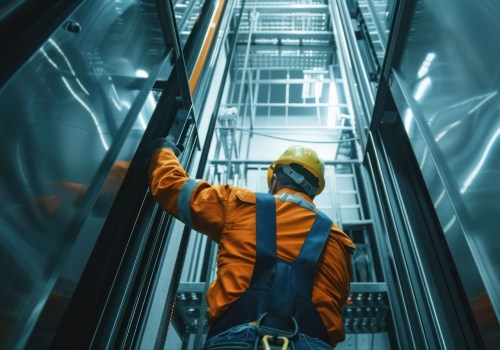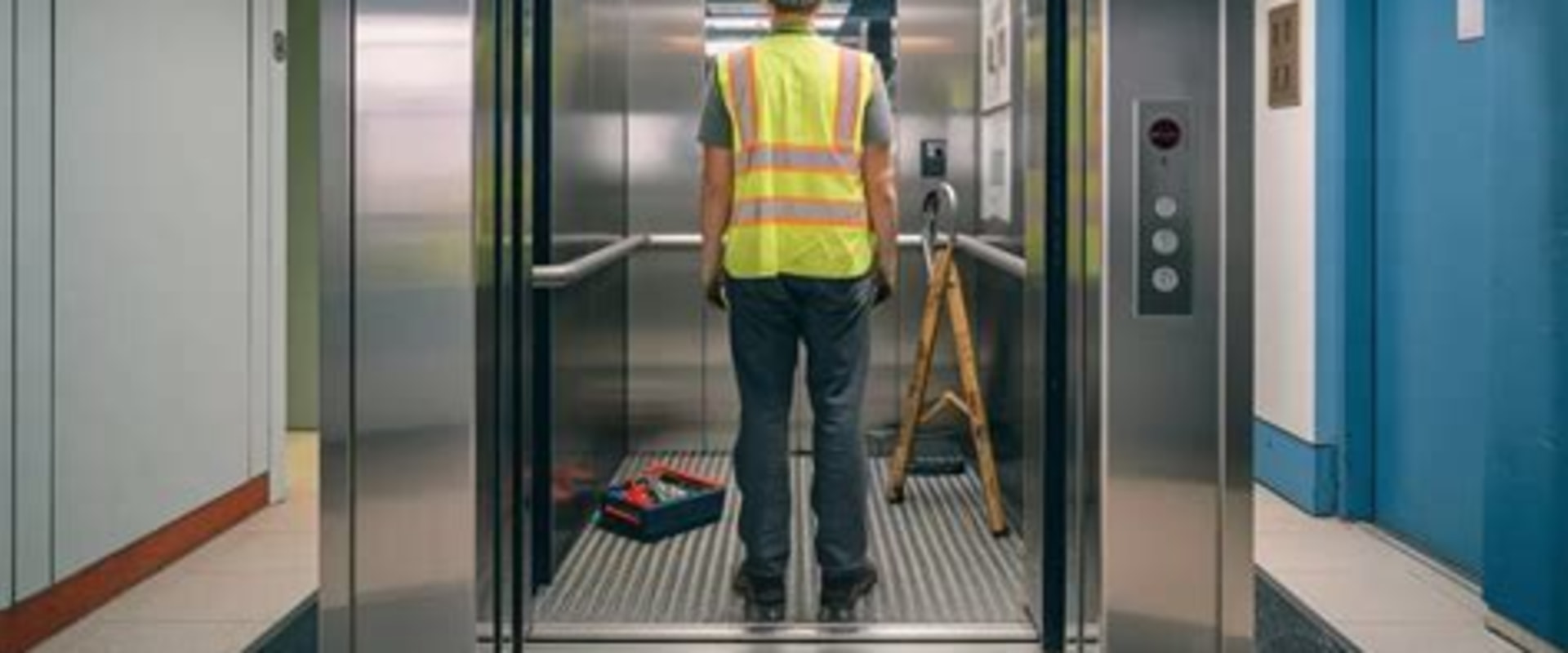
In the realm of high-rise buildings, elevator maintenance is not just a routine task; it is a critical component that ensures the safety, efficiency, and longevity of vertical transportation systems. Elevators serve as the lifeline of skyscrapers, facilitating the movement of residents, employees, and visitors between floors. Given their constant use and the complex technology involved, regular maintenance is essential to prevent unexpected breakdowns and to enhance the overall user experience. The importance of elevator maintenance cannot be overstated. Neglecting this vital aspect can lead to significant safety hazards, including malfunctions that may trap passengers or cause accidents.
Moreover, well-maintained elevators contribute to energy efficiency, reducing operational costs and minimizing downtime. In high-rise buildings where foot traffic is heavy, ensuring that elevators are in optimal working condition is paramount for maintaining a smooth flow of movement. As we delve deeper into the best practices for maintaining elevators in high-rise buildings, it becomes clear that a proactive approach is necessary. This includes regular inspections, timely repairs, and adherence to manufacturer guidelines. By prioritizing elevator maintenance, building managers not only safeguard the well-being of occupants but also protect their investment in these essential systems.
The Importance of Regular Maintenance Checks
Regular elevator maintenance is not just a recommendation; it is a critical component of ensuring the safety and efficiency of high-rise buildings.Frequent maintenance checks help identify potential issues before they escalate into serious problems, thereby protecting both the occupants and the building itself.One of the primary reasons for conducting regular maintenance checks is to comply with legal requirements. Many jurisdictions mandate that elevators undergo routine inspections and maintenance to meet safety standards. Failure to adhere to these regulations can result in hefty fines, legal liabilities, and increased insurance premiums.Moreover, neglecting maintenance checks can lead to significant risks. For instance, a malfunctioning elevator can cause accidents, leading to injuries or even fatalities.
Regular inspections help ensure that all components, such as cables, pulleys, and control systems, are functioning correctly. This proactive approach not only enhances safety but also extends the lifespan of the elevator.
- Enhanced Safety: Regular checks reduce the risk of accidents and ensure compliance with safety regulations.
- Cost Efficiency: Preventative maintenance can save money in the long run by avoiding costly repairs and downtime.
- Increased Reliability: Well-maintained elevators are less likely to break down, ensuring smooth operation for residents and visitors.
Key Components of Elevator Systems to Monitor
Effective elevator maintenance in high-rise buildings hinges on the diligent monitoring of several key components within the elevator system. Understanding these components is crucial for ensuring safety, reliability, and longevity of the elevators.Cables
The cables are vital for the operation of elevators, as they support the weight of the car and its passengers.Regular inspections should focus on:
- Wear and Tear: Look for fraying or corrosion that could compromise strength.
- Tension Levels: Ensure cables are properly tensioned to prevent slippage or breakage.
Pulleys
Pulleys play a critical role in the movement of the elevator. Maintenance practices should include:- Lubrication: Regularly lubricate pulleys to reduce friction and wear.
- Alignment Checks: Ensure pulleys are aligned correctly to avoid undue stress on cables.
Control Systems
The control system is the brain of the elevator, managing its operations and safety features. Key maintenance tasks include:- Software Updates: Keep control software up-to-date to enhance performance and security.
- Diagnostic Tests: Conduct regular tests to ensure all sensors and controls function correctly.
Best Practices for Preventive Maintenance
Implementing preventive maintenance for elevators in high-rise buildings is crucial to ensure safety, reliability, and efficiency.Here are some best practices to consider:
- Regular Inspections: Schedule routine inspections at least twice a year. These inspections should cover all critical components, including cables, pulleys, and control systems. Regular checks help identify potential issues before they escalate.
- Qualified Technicians: Always employ qualified technicians for maintenance tasks. Technicians should have the necessary certifications and experience to handle the complexities of high-rise elevator systems.
- Maintenance Logs: Keep detailed records of all maintenance activities.
This includes inspection dates, repairs made, and any parts replaced. A well-maintained log helps track the elevator's performance over time and can be invaluable during audits.
- Emergency Preparedness: Ensure that your maintenance plan includes emergency procedures. Technicians should be trained to handle emergencies effectively, minimizing downtime and ensuring passenger safety.
- Modernization Considerations: Evaluate the need for modernization of older elevator systems. Upgrading to newer technology can improve efficiency and reduce maintenance costs in the long run.
Common Elevator Issues and How to Address Them
Elevators in high-rise buildings are essential for efficient vertical transportation, but they can encounter various issues that may disrupt their operation.Understanding these common elevator problems and knowing how to address them is crucial for maintaining safety and functionality.
- Unresponsive Buttons: One of the most frequent complaints is unresponsive elevator buttons. This can be caused by dirt or debris accumulation or electrical issues. Regular cleaning and inspection of the control panel can help prevent this problem.
- Door Malfunctions: Elevator doors may fail to open or close properly, which can be due to misalignment or sensor issues. Regular maintenance checks should include door operation tests, and any misalignments should be corrected immediately to ensure passenger safety.
- Noisy Operation: Unusual noises during operation, such as grinding or squeaking, often indicate mechanical wear.
Scheduling routine inspections can help identify worn components before they lead to more significant failures.
- Overheating: Elevators can overheat due to excessive use or lack of lubrication. Ensuring that the elevator's motor and machinery are adequately lubricated and monitored for temperature can prevent overheating issues.
- Stuck Elevators: Passengers may occasionally find themselves stuck between floors. This can happen due to power outages or mechanical failures. Installing backup power systems and conducting regular emergency drills can prepare staff for such situations.
- Regular inspections by certified technicians.
- Prompt repairs of identified issues.
- Keeping a detailed log of maintenance activities and problems encountered.
The Role of Technology in Elevator Maintenance
In recent years, the integration of technology into elevator maintenance has revolutionized how high-rise buildings manage their vertical transportation systems.The advent of smart elevators and the Internet of Things (IoT) has enabled building managers to monitor elevator performance in real-time, leading to enhanced efficiency and safety.
Smart elevators
are equipped with advanced sensors and software that collect data on various operational parameters. This data can include usage patterns, mechanical performance, and even passenger wait times. By analyzing this information, maintenance teams can predict potential issues before they escalate into costly repairs or service interruptions.- Predictive Maintenance: Utilizing data analytics, building managers can implement predictive maintenance strategies. This approach allows for timely interventions based on actual performance metrics rather than relying solely on scheduled maintenance.
- Remote Monitoring: IoT devices enable remote monitoring of elevator systems.
Technicians can access real-time data from anywhere, allowing for quicker response times to any anomalies detected in the system.
- Enhanced Safety Features: Smart elevators often come with advanced safety features that can automatically alert maintenance personnel in case of malfunctions or emergencies, ensuring passenger safety is prioritized.
Choosing the Right Elevator Maintenance Service Provider
When it comes to elevator maintenance, selecting the right service provider is crucial for ensuring the safety and efficiency of your high-rise building's elevators. Here are some key factors to consider when choosing an elevator maintenance service provider.- Experience and Reputation: Look for a company with a proven track record in the industry.
Research their history, client testimonials, and any awards or certifications they may have received. A reputable company will have experience dealing with various types of elevators and will be familiar with the specific needs of high-rise buildings.
- Service Offerings: Evaluate the range of services provided. A comprehensive maintenance plan should include regular inspections, emergency repairs, and modernization options. Ensure that the company can tailor their services to meet your building's unique requirements.
- Response Time: In high-rise buildings, elevator downtime can significantly impact residents and operations.
Ask potential providers about their average response times for emergency repairs and routine maintenance visits.
- Qualified Technicians: Inquire about the qualifications and training of the technicians who will be servicing your elevators. They should be certified and knowledgeable about the latest technologies and safety standards in elevator maintenance.
- Cost Transparency: Request detailed quotes from multiple service providers. Ensure that you understand what is included in the pricing, such as parts, labor, and any additional fees. A transparent pricing structure helps avoid unexpected costs down the line.
- What is your maintenance schedule, and how often do you recommend inspections?
- Can you provide references from other high-rise buildings you service?
- What safety protocols do you have in place for both your technicians and building occupants?
- How do you handle emergency situations, and what is your protocol for communication?
FAQs About Elevator Maintenance in High-Rise Buildings
When it comes to elevator maintenance in high-rise buildings, several common questions arise.Here are some frequently asked questions that can help clarify concerns and misconceptions:
- How often should elevators be maintained? Regular maintenance is crucial for ensuring safety and efficiency. It is generally recommended that elevators undergo maintenance at least once a month, with more frequent checks for high-traffic buildings.
- What does elevator maintenance typically include? A comprehensive maintenance program usually covers inspections of mechanical components, lubrication of moving parts, testing of safety systems, and cleaning of the elevator shaft. Additionally, technicians will check the control systems and ensure that all emergency features are functioning properly.
- Can I perform any maintenance myself? While some basic checks, like ensuring the elevator doors are free of obstructions, can be done by building staff, most elevator maintenance tasks should be left to certified professionals. Attempting repairs without proper training can lead to safety hazards.
- What are the signs that my elevator needs maintenance? Look out for unusual noises, slow operation, or erratic behavior.
If the elevator stops unexpectedly or displays error messages, it’s essential to contact a maintenance service immediately.
- How can I choose a reliable elevator maintenance service? Look for companies with a strong reputation, positive customer reviews, and certifications from recognized industry organizations. It's also beneficial to inquire about their experience with high-rise buildings specifically.
Conclusion: Ensuring Safety and Efficiency Through Proper Elevator Maintenance
In conclusion, elevator maintenance is not merely a routine task; it is a critical component of ensuring the safety and efficiency of high-rise buildings. Regular maintenance practices not only enhance the longevity of the elevators but also significantly reduce the risk of accidents and malfunctions that can jeopardize the safety of occupants.Throughout this article, we have highlighted several best practices that are essential for effective elevator maintenance:- Regular Inspections: Conducting routine inspections helps identify potential issues before they escalate into serious problems.
- Professional Servicing: Engaging qualified technicians for maintenance ensures that all work complies with safety standards and regulations.
- Documentation: Keeping detailed records of maintenance activities aids in tracking performance and planning future servicing needs.
- Upgrading Systems: Implementing modern technology can improve efficiency and safety, making elevators more reliable.
This proactive approach can lead to significant cost savings over time by minimizing unexpected repairs and downtime.Ultimately, prioritizing elevator maintenance is an investment in the safety, comfort, and satisfaction of all building occupants. As high-rise buildings continue to rise in urban landscapes, maintaining these vital systems will remain a top priority for property managers and owners alike.