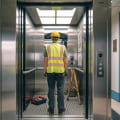
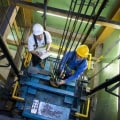
Elevator maintenance is a critical aspect of building management that ensures the safety, reliability, and efficiency of vertical transportation systems. With elevators being a common feature in residential, commercial, and industrial buildings, their upkeep is not just a matter of convenience but also a vital component of public safety. Regular maintenance helps to prevent malfunctions and accidents, which can lead to costly repairs and potential harm to users. Understanding who is responsible for elevator maintenance is essential for property owners, managers, and tenants alike. Typically, the responsibility falls on the building owner or property management company, who must ensure that elevators are regularly inspected and serviced by qualified professionals.
This includes adhering to local regulations and safety standards that govern elevator operations. Failure to comply can result in legal repercussions and increased liability. Moreover, the importance of elevator upkeep extends beyond mere compliance; it fosters trust among users. A well-maintained elevator not only enhances the user experience but also reflects positively on the overall management of the property. As we delve deeper into this topic, we will explore the specific responsibilities involved in elevator maintenance and the regulations that guide these practices.
The Importance of Elevator Maintenance
Elevator maintenance is not just a routine task; it is a critical component of building safety and operational efficiency.Regular maintenance ensures that elevators function smoothly, reducing the risk of accidents and malfunctions that can endanger passengers.
The importance of elevator maintenance
cannot be overstated. Neglecting this essential service can lead to a range of issues, including:- Increased Risk of Accidents: Faulty elevators can cause serious injuries or even fatalities. Regular inspections and maintenance help identify potential hazards before they become critical.
- Operational Downtime: An elevator that breaks down unexpectedly can disrupt the flow of people in a building, leading to frustration and loss of productivity.
- Compliance with Regulations: Many jurisdictions have strict regulations regarding elevator safety. Regular maintenance helps ensure compliance, avoiding costly fines and legal issues.
A well-maintained elevator operates more efficiently, which can lead to lower energy costs and reduced wear and tear on components. This proactive approach not only extends the lifespan of the elevator but also enhances the overall experience for users.In addition to safety and efficiency, regular elevator maintenance contributes to elevator safety. Technicians are trained to spot potential issues during routine checks, such as worn cables or malfunctioning sensors. Addressing these problems promptly can prevent accidents and ensure that elevators remain safe for public use.In conclusion, prioritizing elevator maintenance is essential for any building owner or manager.
By investing in regular upkeep, you not only protect the safety of your tenants but also enhance the operational efficiency and longevity of your elevators.
Who is Responsible for Elevator Maintenance?
When it comes to elevator maintenance, several parties play crucial roles in ensuring that elevators operate safely and efficiently. Understanding these responsibilities is essential for building owners, property managers, and tenants alike.Building Owners
- As the primary stakeholders, building owners are ultimately responsible for the maintenance of elevators within their properties. This includes ensuring that all necessary inspections and repairs are conducted regularly.
- They must also comply with local regulations and safety standards, which often mandate specific maintenance schedules.
Property Managers
- Property managers act on behalf of building owners to oversee daily operations, including elevator maintenance. They coordinate with service providers to schedule routine inspections and address any issues that arise.
- Additionally, property managers are responsible for keeping records of maintenance activities and ensuring that all safety protocols are followed.
Elevator Service Providers
- Elevator service providers, often contracted by building owners or property managers, are specialized companies that perform the actual maintenance work.
Their responsibilities include:
- Conducting regular inspections to identify potential issues before they become serious problems.
- Performing necessary repairs and replacements of parts to ensure optimal performance.
- Providing emergency services in case of breakdowns or malfunctions.
Legal and Regulatory Framework for Elevator Maintenance
Understanding the legal and regulatory framework surrounding elevator maintenance is crucial for building owners, property managers, and maintenance personnel. Compliance with these regulations not only ensures safety but also protects against potential legal liabilities.In the United States, elevator maintenance is governed by a combination of federal, state, and local laws. The primary regulations are often derived from the American Society of Mechanical Engineers (ASME) standards, particularly the ASME A17.1 code, which outlines safety requirements for elevators and escalators.Key Regulations and Responsibilities:
- Regular Inspections: Most jurisdictions require elevators to undergo regular inspections by certified professionals.
These inspections assess the operational safety and compliance with current codes.
- Maintenance Records: Building owners must maintain detailed records of all maintenance activities, inspections, and repairs. This documentation is essential for demonstrating compliance during audits.
- Emergency Procedures: Regulations often mandate that buildings have clear emergency procedures in place, including protocols for elevator malfunctions or entrapments.
Importance of Compliance:
Adhering to elevator safety codes is not just about avoiding penalties; it is also about ensuring the safety of all building occupants.
Regular maintenance helps prevent accidents and malfunctions that could lead to serious injuries or fatalities. Therefore, investing in proper elevator maintenance is both a legal obligation and a moral responsibility.In conclusion, understanding and complying with the legal framework surrounding elevator maintenance is essential for any property owner or manager. By prioritizing safety and adhering to regulations, they can protect their tenants and themselves from potential risks and liabilities.
Types of Elevator Maintenance Services
When it comes to elevator maintenance, understanding the different types of services available is crucial for ensuring the safety and efficiency of your elevator system. The two primary categories of elevator maintenance are preventive maintenance and corrective maintenance.Preventive Maintenance
Preventive maintenance involves regular inspections and servicing designed to prevent potential issues before they arise.This proactive approach typically includes:
- Routine inspections to check for wear and tear.
- Lubrication of moving parts to reduce friction.
- Testing safety features to ensure they function correctly.
- Cleaning of components to prevent dust and debris buildup.
Corrective Maintenance
Corrective maintenance, on the other hand, is performed after a malfunction has occurred. This type of service focuses on diagnosing and repairing issues that disrupt elevator operation. Key aspects include:- Immediate response to service calls when an elevator is out of order.
- Troubleshooting to identify the root cause of the problem.
- Replacement of faulty components or systems.
- Restoration of elevator functionality as quickly as possible.
Elevator Inspection Services
A critical component of both preventive and corrective maintenance is elevator inspection services. These inspections are often mandated by local regulations and are designed to ensure that elevators meet safety standards.Regular inspections typically cover:
- Structural integrity assessments.
- Verification of compliance with safety codes.
- Evaluation of emergency systems and protocols.
Choosing the Right Elevator Maintenance Provider
When it comes to elevator maintenance, selecting the right provider is crucial for ensuring safety, reliability, and compliance with regulations. Here are some key factors to consider when choosing an elevator maintenance provider:- Experience and Expertise: Look for companies with a proven track record in the industry. A provider with several years of experience is likely to have encountered a variety of issues and can offer effective solutions.
- Certifications and Licenses: Ensure that the maintenance provider holds the necessary certifications and licenses required by local and state regulations. This not only guarantees their legitimacy but also their adherence to safety standards.
- Comprehensive Services: Choose a company that offers a full range of services, including routine inspections, emergency repairs, and modernization options.
This ensures that all your elevator maintenance needs can be met under one roof.
- Customer Reviews and References: Research customer feedback online or ask for references from past clients. Positive reviews can provide insight into the company’s reliability, quality of service, and customer support.
- Response Time: In emergencies, quick response times are essential. Inquire about the provider's average response time for service calls to ensure they can address issues promptly.
- Cost Transparency: Request detailed quotes that outline all potential costs associated with maintenance services. A reputable provider will be transparent about their pricing structure without hidden fees.
Common Elevator Maintenance Issues and Solutions
Elevators are essential for the smooth operation of multi-story buildings, but they can encounter various issues that require prompt attention.Understanding common elevator maintenance issues can help property managers troubleshoot effectively and ensure safety and reliability.
- Door Malfunctions: One of the most frequent problems is doors that do not open or close properly. This can be caused by misalignment, obstruction, or faulty sensors. Regularly checking the door tracks for debris and ensuring that sensors are clean can prevent these issues.
- Strange Noises: Unusual sounds such as grinding or squeaking often indicate mechanical problems. These noises may stem from worn-out components or insufficient lubrication.
Scheduling routine inspections can help identify and resolve these issues before they escalate.
- Inconsistent Leveling: Elevators should level perfectly with the floor for safe entry and exit. If an elevator consistently stops above or below the floor level, it may require recalibration or maintenance of the leveling system. Regular checks can help maintain proper alignment.
- Overheating: Elevators can overheat due to excessive use or lack of maintenance. This can lead to system failures.
Ensuring that the elevator's ventilation is unobstructed and scheduling regular maintenance checks can mitigate this risk.
- Electrical Issues: Problems with the electrical system can cause elevators to malfunction or stop working altogether. Regular inspections of wiring and connections, along with prompt repairs, are crucial for preventing electrical failures.
FAQs About Elevator Maintenance Responsibilities
When it comes to elevator maintenance, many property owners and tenants have questions about who is responsible for the upkeep and repairs. Here are some frequently asked questions that can help clarify these responsibilities.Who is responsible for elevator maintenance?
Typically, the responsibility for elevator maintenance falls on the property owner or the management company.They are required to ensure that the elevator is regularly inspected and maintained according to local regulations and safety standards. However, tenants should also be aware of their role in reporting any issues promptly.
What does elevator maintenance include?
Elevator maintenance generally includes routine inspections, lubrication of moving parts, testing safety features, and addressing any mechanical issues. Regular maintenance helps prevent breakdowns and ensures the elevator operates safely.Who pays for elevator repairs?
The cost of elevator repairs is usually borne by the property owner or management company. However, in some lease agreements, tenants may be responsible for minor repairs or maintenance costs.It’s essential to review your lease to understand your obligations.
How often should elevators be serviced?
Most experts recommend that elevators be serviced at least once a month. This frequency can vary based on usage, building type, and local regulations. Regular servicing helps identify potential issues before they become significant problems.What should I do if I notice an issue with the elevator?
If you notice any problems with the elevator, such as unusual noises or malfunctions, report it immediately to your property manager or building maintenance team. Prompt reporting can prevent accidents and ensure timely repairs.Understanding these aspects of elevator maintenance can help both property owners and tenants ensure a safe and functional environment for everyone involved.Conclusion: Key Takeaways on Elevator Maintenance Responsibilities
In summary, understanding who is responsible for elevator maintenance is crucial for ensuring safety and compliance in any building.The responsibility typically falls on several key parties, including building owners, property managers, and elevator service companies.
Building Owners:
As the primary stakeholders, building owners are ultimately responsible for the upkeep of all systems within their properties, including elevators. They must ensure that maintenance contracts are in place and that regular inspections are conducted.
Property Managers:
Often acting on behalf of the owners, property managers play a vital role in overseeing elevator maintenance. They coordinate with service providers, schedule routine checks, and ensure that any issues are promptly addressed to minimize downtime.
Elevator Service Companies:
These specialized firms are responsible for performing the actual maintenance work. They conduct inspections, repairs, and upgrades as needed.
It is essential to choose a reputable company with a proven track record to ensure compliance with safety regulations.Regular elevator maintenance not only enhances safety but also extends the lifespan of the equipment. Neglecting this responsibility can lead to costly repairs and potential legal liabilities. Therefore, it is imperative for all parties involved to prioritize maintenance schedules and adhere to industry standards.In conclusion, effective communication and collaboration among building owners, property managers, and service providers are essential for maintaining safe and efficient elevator systems. By understanding their roles and responsibilities, stakeholders can ensure that elevators remain reliable assets in their buildings.