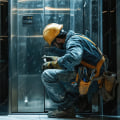
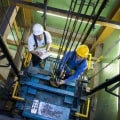
Elevator maintenance is a critical aspect of building management that ensures the safety, reliability, and efficiency of vertical transportation systems. It encompasses a range of services designed to keep elevators in optimal working condition, preventing potential malfunctions and ensuring compliance with safety regulations. Regular maintenance not only extends the lifespan of the equipment but also enhances the overall user experience by minimizing downtime and improving performance. The importance of elevator maintenance cannot be overstated. Elevators are essential in multi-story buildings, facilitating the movement of people and goods.
A well-maintained elevator system reduces the risk of accidents, such as sudden stops or failures, which can lead to injuries or property damage. Furthermore, routine inspections and servicing help identify issues before they escalate into costly repairs or replacements, ultimately saving building owners significant expenses. In essence, elevator maintenance is not merely a regulatory requirement; it is a proactive approach to ensuring that elevators operate smoothly and safely. By investing in regular maintenance, property managers can provide peace of mind to tenants and visitors alike, knowing that they are using a reliable and safe mode of transportation within the building.
The Importance of Regular Elevator Maintenance
Regular elevator maintenance is not just a recommendation; it is a necessity for ensuring the safety and efficiency of vertical transportation systems in buildings. One of the primary reasons for maintaining elevators is to enhance safety.Elevators are complex machines that undergo significant wear and tear over time. Regular inspections and maintenance help identify potential issues before they escalate into serious problems, thereby protecting passengers and reducing the risk of accidents.In addition to safety, compliance with local and federal regulations is another critical aspect of elevator maintenance. Many jurisdictions require elevators to be inspected and maintained regularly to meet safety standards. Failing to comply with these regulations can result in hefty fines, legal liabilities, and even the shutdown of elevator services.
Therefore, adhering to a strict maintenance schedule not only ensures safety but also keeps your building compliant with the law.Moreover, regular maintenance can lead to significant cost savings. While some may view maintenance as an unnecessary expense, it is actually an investment that can prevent costly repairs down the line. By addressing minor issues during routine checks, building owners can avoid major breakdowns that require extensive repairs or even complete replacements of elevator systems. This proactive approach not only saves money but also minimizes downtime, ensuring that elevators remain operational for tenants and visitors.Lastly, maintaining elevators contributes to their longevity.
Just like any other mechanical system, elevators benefit from regular care and attention. A well-maintained elevator can last significantly longer than one that is neglected, providing reliable service for years to come.In summary, the importance of regular elevator maintenance cannot be overstated. It enhances safety, ensures compliance with regulations, offers cost savings, and extends the lifespan of the equipment. For building owners and managers, prioritizing elevator maintenance is essential for creating a safe and efficient environment.
Key Components of Elevator Maintenance
Elevator maintenance is a critical aspect of ensuring the safety, reliability, and efficiency of elevator systems.Understanding the key components involved in elevator maintenance can help building owners and facility managers prioritize their maintenance schedules and budgets.
- Regular Inspections: Routine inspections are essential for identifying potential issues before they escalate. These inspections typically include checking the mechanical components, electrical systems, and safety features of the elevator.
- Repairs: Timely repairs are crucial to maintaining the functionality of an elevator. This may involve replacing worn-out parts, fixing electrical malfunctions, or addressing hydraulic system issues.
- Upgrades: As technology advances, upgrading elevator systems can enhance performance and energy efficiency. This may include installing modern control systems or energy-efficient motors.
- Lubrication: Proper lubrication of moving parts is vital to reduce friction and wear.
Regular lubrication helps extend the lifespan of components such as cables, pulleys, and bearings.
- Safety Tests: Conducting safety tests, such as emergency stop tests and load tests, ensures that the elevator operates safely under various conditions. These tests are often mandated by local regulations.
Types of Elevator Maintenance Services
When it comes to elevator maintenance, understanding the different types of services available is crucial for ensuring the safety and efficiency of your elevator system. The two primary categories of elevator maintenance services are preventive maintenance and corrective maintenance.Preventive Maintenance
Preventive maintenance is a proactive approach designed to prevent potential issues before they arise.This type of service typically includes regular inspections, adjustments, and replacements of worn components. The goal is to maintain the elevator in optimal working condition, thereby extending its lifespan and reducing the likelihood of unexpected breakdowns.
- Regular Inspections: Scheduled checks to identify wear and tear on parts such as cables, pulleys, and control systems.
- Lubrication: Ensuring that moving parts are properly lubricated to minimize friction and wear.
- System Testing: Routine testing of safety features and emergency systems to ensure they function correctly.
Corrective Maintenance
Corrective maintenance, on the other hand, is reactive. It involves addressing issues that have already occurred, such as breakdowns or malfunctions. While this type of maintenance can be necessary, relying solely on corrective measures can lead to increased downtime and higher repair costs.- Emergency Repairs: Immediate attention to elevator failures to restore service as quickly as possible.
- Component Replacement: Replacing broken or malfunctioning parts to ensure safe operation.
- Troubleshooting: Diagnosing problems to determine the root cause of failures and implementing solutions.
By investing in regular preventive maintenance, building owners can significantly reduce the need for corrective actions, ensuring a safer and more reliable elevator experience for all users.
Elevator Maintenance Checklist
Maintaining an elevator is crucial for ensuring safety, reliability, and efficiency. A well-structured elevator maintenance checklist can help facility managers and maintenance teams keep track of essential tasks. Below is a comprehensive checklist that outlines routine elevator maintenance tasks.Daily Maintenance Tasks
- Inspect the elevator doors: Ensure they open and close smoothly without any obstructions.
- Check the control panel: Verify that all buttons are functioning correctly and that there are no error messages displayed.
- Listen for unusual noises: Pay attention to any strange sounds during operation, which may indicate mechanical issues.
Weekly Maintenance Tasks
- Examine the elevator pit: Remove debris and check for water accumulation or leaks.
- Test emergency communication systems: Ensure that the emergency phone or intercom is operational.
- Inspect safety devices: Check the functionality of safety brakes and other critical components.
Monthly Maintenance Tasks
- Lubricate moving parts: Apply appropriate lubricants to pulleys, cables, and other moving components to reduce wear.
- Review inspection logs: Analyze past inspection reports to identify recurring issues or areas needing attention.
- Check lighting in the elevator car: Replace any burnt-out bulbs to ensure visibility and safety.
Quarterly Maintenance Tasks
- Conduct a full inspection: Perform a thorough examination of all mechanical and electrical systems, including the motor and control systems.
- Test load capacity: Verify that the elevator can handle its rated load without issues.
- Update maintenance records: Document all findings and actions taken during inspections for future reference.
Common Elevator Problems and Solutions
Elevators are essential for the smooth operation of multi-story buildings, but they can encounter various issues that may disrupt their functionality.Understanding common elevator problems and their solutions is crucial for effective elevator maintenance.
- Unresponsive Buttons: One of the most frequent complaints is unresponsive elevator buttons. This can be caused by dirt or debris accumulation. Regular cleaning and inspection of the control panel can prevent this issue.
- Doors Not Opening or Closing: If the elevator doors fail to open or close properly, it may be due to misalignment or sensor malfunctions. Regular checks and adjustments by a qualified technician can ensure that the doors operate smoothly.
- Strange Noises: Unusual sounds such as grinding or squeaking can indicate mechanical issues.
These noises should not be ignored, as they may signal the need for lubrication or part replacement. Scheduling routine maintenance can help identify and resolve these problems early.
- Overheating: Elevators can overheat due to excessive use or mechanical failure. Monitoring the temperature and ensuring proper ventilation in the machine room are essential preventive measures.
- Emergency Brake Activation: If the emergency brake engages unexpectedly, it could be a sign of a malfunctioning system. Regular testing of safety features is vital to ensure they function correctly when needed.
This log can help identify patterns and recurring problems, allowing for targeted maintenance efforts. Additionally, establishing a routine inspection schedule with a certified elevator technician will ensure that potential issues are addressed before they escalate into major repairs.In conclusion, being proactive about elevator maintenance by recognizing these common problems and implementing timely solutions can significantly enhance the reliability and safety of elevator systems in any building.
How to Choose an Elevator Maintenance Company
Choosing the right elevator maintenance company is crucial for ensuring the safety and reliability of your elevator systems. With numerous service providers available, it can be challenging to determine which one best meets your needs. Here are some key factors to consider when selecting an elevator maintenance company:- Experience and Reputation: Look for a company with a proven track record in the industry.
Research their history, read customer reviews, and ask for references to gauge their reliability and quality of service.
- Certifications and Licenses: Ensure that the company holds the necessary licenses and certifications required by local regulations. This not only guarantees compliance but also reflects their commitment to maintaining industry standards.
- Service Offerings: Evaluate the range of services provided. A comprehensive maintenance plan should include regular inspections, emergency repairs, and modernization options. Make sure they can cater to your specific elevator type and brand.
- Response Time: In case of emergencies, a quick response time is essential.
Inquire about their average response times for service calls and how they handle urgent situations.
- Cost Transparency: Request detailed quotes from multiple companies. Be wary of hidden fees and ensure that you understand what is included in the maintenance contract. A reliable company will provide clear pricing without unexpected charges.
- Customer Support: Good customer service is vital for ongoing maintenance relationships. Assess how responsive and helpful their support team is during your initial interactions.
FAQs About Elevator Maintenance
When it comes to elevator maintenance, many property owners have questions about the best practices and requirements.Here are some frequently asked questions that can help clarify common concerns.
What is elevator maintenance?
Elevator maintenance refers to the regular inspection, servicing, and repair of elevators to ensure they operate safely and efficiently. This includes checking mechanical components, electrical systems, and safety features to prevent malfunctions.How often should elevators be maintained?
The frequency of elevator maintenance can vary based on usage, type of elevator, and local regulations. Generally, it is recommended that elevators undergo maintenance at least once a month. However, high-traffic elevators may require more frequent inspections.What are the common signs that an elevator needs maintenance?
- Unusual noises during operation
- Inconsistent stopping at floors
- Doors that do not open or close properly
- Vibrations or jerky movements
- Frequent error messages or alarms
Can I perform elevator maintenance myself?
While some basic checks can be performed by building staff, such as ensuring the elevator is clean and free of obstructions, elevator maintenance should primarily be conducted by certified professionals.This ensures compliance with safety standards and reduces the risk of accidents.
What are the benefits of regular elevator maintenance?
- Increased safety: Regular maintenance helps identify potential hazards before they become serious issues.
- Improved reliability: Well-maintained elevators are less likely to break down, ensuring consistent service for users.
- Cost savings: Preventative maintenance can reduce repair costs and extend the lifespan of the elevator.
Conclusion: The Necessity of Elevator Maintenance for Safety and Longevity
In conclusion, elevator maintenance is not merely a routine task; it is a critical component of ensuring safety, efficiency, and longevity in any building's vertical transportation system. Regular maintenance checks help identify potential issues before they escalate into serious problems, thereby protecting both passengers and the equipment itself.Throughout this article, we have explored the various aspects of elevator maintenance, including:- Safety Inspections: Regular inspections are essential to ensure that all safety mechanisms are functioning correctly.
- Performance Optimization: Routine maintenance helps keep elevators running smoothly, reducing wait times and improving user experience.
- Cost Efficiency: Preventative maintenance can save building owners significant costs by avoiding major repairs and extending the lifespan of the elevator.
By prioritizing regular checks and servicing, property managers can ensure that their elevators remain reliable and safe for all users. In a world where convenience and safety are paramount, maintaining your elevator system should be a top priority.